“Story 7 of 10.This Body Positivity series is a project I hold dear to my heart. For years, I’ve struggled with my body image, and since reviving this blog, LoveYourzStory, I’ve shared so many of my personal stories, internal battles, and insecurities. This time,Iwanted to hearyour stories. I took to social media and found 9 individuals who were willing to share their body positive journey with not only me, but my readers as well. I collaborated with two Bay Area photographers, Missdirected (Instagram: @missdirected.art) to photograph these amazing people. Missdirected did not photoshop / alter any of the models’ faces or bodies. These stories are entirely written by them and in their own words, because afterall, who can tell their story better than them?”-Marinelle Cabillo, LoveYourzStory
This is Allysa’s story, edited by Marinelle Cabillo, LoveYourzStory:
“Dear Allysa,
I know you hate your body now, and you think you need to have a “perfect body” like you see all over social media. You also feel lost and stuck in your body because you just won’t accept it. You think about your body negatively, but that’s okay. You are going to realize that the “perfect body” comes in different shapes and sizes no matter how much you doubt yourself and the body you’re in. You are too focused on social media’s definition of a “perfect body,” and you keep asking yourself, “why can’t my body be like that.” You grew up thinking like that and it made you think that’s the only body type out there. You’re struggling with looking for clothes that fit you or what you’re comfortable in. You can’t get the clothes you want because you are afraid of what people think of you. You have to get oversized clothes to be comfortable because you don’t want people to make fun of your body.
The question is, “what is the definition of true beauty?” You’ll finally realize that “true beauty” comes in ALL shapes and sizes. Always keep that in mind because your body is beautiful just the way it is.
Your current relationship with food is not the best. You binge eat every 1-2 hours because you are going through anxiety and depression, making you feel stressed out and confused. You think binge eating will help you get through all of the problems you are facing, but it won’t. You’re seeing your body and face changing because you binge eat. It’s to the point where you’re not comfortable taking pictures of yourself because you don’t like how you look. You’re too focused on what your body should be, even though you know it’s not good for you. You’re skipping some meals because you think it will help you lose weight, but it won’t help you mentally or emotionally. Even though food is good, you think you can’t control your eating habits. But the truth is you can control your eating habits if you believe in yourself.
I know you’re going through countless mental breakdowns where you start to doubt yourself – from your body to your future. Your mental breakdowns have made a huge impact on your eating habits. 2018 will be the most traumatic year of your life because you are going to go through depression and anxiety. You will lose yourself mentally, physically, and emotionally. The real reason why you are going through mental breakdowns is because you are still grieving the death of your cousin, who you loved so much. You have a special bond with her & she inspires you to follow your dreams. She is still your light whenever you see her smile or her face. Right now, you can’t accept that she is gone and you feel empty inside because her presence is not with you anymore. But try to remember that she will always be watching over you and you’re doing everything you can to keep her spirit alive.
You just sit and cry when you want to be alone, and think that no one is going to help you. You say, “what am I going to do?” and think no one is going to understand what you’re going through. You keep blaming God for taking your cousin away so soon. But that’s not the case, you know your cousin fought for her life. She was strong & brave after all she had to go through. You’re not comfortable opening up about your mental breakdowns to anyone yet, that’s okay. But keeping your mental breakdowns to yourself is very unhealthy. You will realize that you can’t help yourself unless you have people helping and guiding you through it.
You’re thinking about who you can talk to about your emotional breakdowns. You start to think of who you can trust that will help you, people that have always been there for you, even at your lowest. You’ll turn to your Godsister, Ezra, & your best friend, Janine, because they’re the only ones who have been there for you since the beginning. But how do you tell them? You need someone to be by your side through all of this. Once you reach out to them, they’ll completely uplift you. They tell you that they believe in you, which motivates you to be the best version of yourself. If it wasn’t for them, I don’t know where you’d be. After some time, you’ll finally have motivation and words of wisdom to finally realize that you are worth it and enough to be in this world.
2019 is the year that your life changes. That is the year you focus on yourself. You’ll finally accept who you truly are because you will learn that only you know the real you. So don’t put yourself down just because you don’t like how you look right now. You’ll finally find yourself by changing your eating and exercising habits. You start to journal, where you write about your day and all the things you like about yourself. You’ll start to portion out your food and drink more water. You’ll make working out a daily routine. Losing weight will make you proud of your hard work, it will boost up how you see your body, and you’ll gain confidence. The amazing thing is you did everything for yourself. You’ll start to believe that you are enough.
You’ll get back into dancing, and it’ll make you feel more confident. You’ve been dancing since 15 years old and your dream has always been to be a professional dancer. You stopped dancing at 19 years old because you didn’t like how you performed at a birthday event. Giving up dancing was hard for you because you loved it so much. Dance is how you expressed all of your feelings, but you felt like it was not going to take you anywhere in life. But how would you know? It’s okay to doubt yourself sometimes, but what’s not okay is quitting on yourself and what you love doing. If only you knew that right now, in the present day, you are pursing your dreams in becoming a professional dancer, and you’ll soon move to Los Angeles.
I want to apologize for how I treated you. I’m sorry for not believing in you. I’m sorry for the way I thought about our body- being too focused on what our body “should be,” not what it truly is. You are going to be so proud of the Allysa now, because you have come so far.” -Allysa
“Story 6 of 10.This Body Positivity series is a project I hold dear to my heart. For years, I’ve struggled with my body image, and since reviving this blog, LoveYourzStory, I’ve shared so many of my personal stories, internal battles, and insecurities. This time,Iwanted to hearyour stories. I took to social media and found 9 individuals who were willing to share their body positive journey with not only me, but my readers as well. I collaborated with two Bay Area photographers, Missdirected (Instagram: @missdirected.art) to photograph these amazing people. Missdirected did not photoshop / alter any of the models’ faces or bodies. These stories are entirely written by them and in their own words, because afterall, who can tell their story better than them?”-Marinelle Cabillo, LoveYourzStory
This is Sabrina’s story, written in her own words:
“Today, I’m taking y’all on a journey. The journey of how little Sabrina went from an innocent girl who didn’t have a care in the world, to feeling the pressures of society and succumbing to her inner negative thoughts, and all the struggles and learnings she has gone through in the last 24 years of being in this body. So buckle up and hopefully, this story helps someone out there going through it feel less alone.
Growing up, I always had a turbulent relationship with my body and eating habits. As a baby, I was pretty chubby, but was also a colic baby, meaning I was just a complete nightmare to be around. I would cry all the time and fuss about eating so much to the point that my mom would spend hours trying to get me to eat and had to feed me water with a spoon. I was really out here trying to dehydrate myself. Over the years, I continued to have problems with eating and would need to be force-fed by my parents. At that time, I had really poor eating habits and would waste all the lunches my parents would pack for me.
This all changed though around the age of 8 when my body finally recognized how amazing food tasted and I started to inhale everything in my line of sight. My diet was super unhealthy at this point. I would prefer fast food instead of the home-cooked meals my parents made for me. After school, I would beg my parents to take me to McDonald’s, KFC, or Taco Bell. At McDonald’s, I would order 2 fish filet sandwiches, chicken nuggets, and maybe a diet soda to wash it down, which would all be demolished by me before we even got home.
Around the age of 10, my family had moved to India where we ended up staying for two years during my middle school years. My school at the time offered meals on campus and it was buffet style. We would have so many options for breakfast, lunch, and snacks and no one to supervise us or tell us how much we can or can’t eat. This was literally my dream come true and I happily ate as much as I wanted and didn’t give a care in the world.
However, soon enough, this safe bubble I was in popped. I distinctly remember a specific time when my family and I were in Goa, a beautiful beach city in India, for vacation. I was about 11 years old at the time and was starting to develop into my womanhood – aka grow boobs – and I had no idea what was going on with my body. I was playing in the ocean with my sister with our clothes on and my mom called me to come out of the water. She told me to cover myself or wear another shirt on top since my boobs were very visible under the wet shirt. I remember feeling so ashamed about this and immediately ran back to our hotel room and started crying. At this point, I didn’t even feel comfortable wearing a swimsuit because I knew my body was going through changes, and I felt so so self-conscious. I didn’t know this at the time but this was a significant turning point in how I viewed my body. I would continue to feel bad about my body for many years to come.
As puberty hit me like a freight train, I continued to gain a lot more weight. By this time, we had moved back to California and I was starting high school. I was close to ~150 pounds being a 5’ 6” girl and my relationship with my body grew more turbulent. My doctor told me I was overweight and suggested that I exercise even though I was playing competitive sports at the time. I started comparing my body to other girls in my class and would feel so bad about myself. During track and tennis practice, I would always feel like I didn’t look as “athletic” or as “slim” as other girls in our sports uniforms. I remember hating my tennis uniform because it was a sleeveless top that made me conscious of my arm fat. I would feel bad about eating the bagels that my teammate’s parents would bring for tennis meets. I was envious of the other girls who ate whatever they wanted and their bodies still looked “skinny.” It seemed like they didn’t even have to try to look that way and here I was beating myself up about eating a bagel.
I started to dread going to the pool or the beach because it meant that I had to wear a swimsuit. While other girls were wearing bikinis and feeling super comfortable in their bodies, I still couldn’t even bring myself to wear a one-piece without feeling fat & undesirable. Mainstream media made me feel like the ideal body type was to be skinny and have a flat stomach. I was not skinny nor did I have a flat stomach which made me feel like something was wrong with me, my body, and that I should be doing something to change my body.
This feeling worsened every time I went to a family party and some uncle or aunty would comment on my body. “Oh Sabrina, you look like you gained weight,” or “Sabrina, you are looking better than last time. Looks like you have lost some weight.” These comments made me feel even more insecure, self-conscious, and made me feel like I had to look a certain way to be considered pretty and worthy. Word of advice to anyone who gets unwarranted comments like this from family or friends: fat shaming and skinny shaming is never okay, don’t let them get to your head. It says more about their own insecurities and way of thinking than anything else if the first thing they feel the need to comment on is someone’s physical appearance. It’s such a shallow way of looking at the world.
Of course, I let their comments get to my head. Self-confidence was at an all-time low and my body dysmorphia led me down a very restrictive path. When I was a senior in high school, I decided enough was enough and I was done feeling bad about myself and my body. I decided to go on a very strict low-carb, high protein diet and exercised intensely every day for 45 minutes. I would have some cereal for breakfast, a salad for lunch (probably ~300 calories), maybe an orange (like a small ass cutie) as a snack, and would head to my part-time job after school.
During this time, I was strictly logging everything I ate on My Fitness Pal and was so anal about hitting my daily calorie, and macro count. My body was not getting the nutrition it needed and I started to slowly develop a binge eating disorder. I would have a very light calorie day at school, would go to work in the evening at the accounting firm I was interning at, and try to avoid looking at the table full of food that my coworkers brought.
Eventually, I would succumb to my cravings – cause ya girl was basically starving herself during the day and was so hungry. I would take any food I could get my hands on, go down to the basement at work where I would usually file documents, and gorge myself. I would feel so ashamed for doing this that I would literally make sure no one was near me while I stuffed my face – like I haven’t had food in days. After I finished binge eating, I would usually feel so bad about myself and so physically uncomfortable. I remember one day when it was a particularly bad binge eating episode, I literally sat on the floor with food all around me and sobbed uncontrollably at work. There were days where I would go back home after these episodes and exercise to burn off some calories to make myself feel better. But this never made me feel better since I was 1) so bloated and uncomfortable 2) felt like I ruined all my progress for the day. This would usually end in me breaking down sobbing, feeling more guilt, and ashamed. I would look at my body in the mirror, hate what I saw, and to make myself feel better, I would binge eat again.
This was a very silent struggle that I went through. My parents didn’t know that I was going through this because honestly, I was doing a pretty good job of hiding it. I would always binge either at work or late at night at home once my parents went to sleep. I would be so ashamed of how much I was eating that I would make sure to do it in secret.
It took me a while to realize what was happening and what I was doing to myself. I knew that I was binge eating because of my restrictive diet, but I never made myself throw up after these episodes, so I never labeled it as an “eating disorder.” Boy was I wrong. One day, after a particularly bad binge eating episode, I googled “How do you know you have an eating disorder?” and “How do you recover from binge eating?” This sent me down a rabbit hole until I finally opened my eyes to my reality. If I continued down this path I knew this wouldn’t end well. I dealt with my eating disorder for almost 8 months and that was probably the lowest point in my body journey thus far.
After months of this, I knew I couldn’t live like this any longer. I didn’t feel healthy or comfortable within my own body and I hated feeling so superficial about myself. I started to be honest with myself about what I was doing to my body and how destructive my mindset was. The summer before my freshman year of college was when I found the plant-based community and started watching documentaries like “Coswspiracy” and “Forks over knives” and read books like “The China Study” and “The Starch Solution” (highly recommend). I instantly gave up meat after bawling throughout those documentaries. I learned about the environmental impacts of the animal and dairy industry and realized I had to make a change. I also loved how in the plant-based community, there was a focus on eating nutritious whole foods and not restricting the number of calories you ate. I was vegan for the first 2 years of college, transitioned into vegetarianism after, and am currently trying to go vegan again.
During this time, I also came across the concept of intuitive eating which is essentially eating when you’re hungry and stopping when you’re full. Sounds easy enough right? But if you have ever struggled with an eating disorder or even followed any diet rules you know this isn’t so easy in practice. Since I had restricted certain foods and had binge-eating tendencies, my body was so out of touch with its natural hunger cues. Psychologically, I needed time to get over the diet culture mindset. It took me about 4 months to get to a point where I could stop counting calories and feel comfortable with eating whatever I wanted and however much I wanted.
During this period, my focus changed from losing weight to listening to my body. I worked on shedding all of this conditioning I had about food, diet, and my ideal body. I was finally eating intuitively. What helped me during this time was to ditch the calorie-tracking apps and unfollowing any accounts that were promoting a certain body type.
In college, my body continued to go through many changes. I gained the infamous Freshman 15 (more like Freshman 25 in my case), and didn’t exercise consistently the first two years. That was the first time since my childhood where I felt liberated and unrestricted. I didn’t care as much about being a certain weight or looking a certain way, and I let myself eat freely without limits (with the only limit being that I was vegan but that didn’t stop me from finding the wonderful world of vegan junk food).
Of course, this liberating feeling didn’t last long. I started to feel bad about all my weight gain and started beating myself up for letting it get this far. I would try to go to the gym to do cardio or a group class but never stayed consistent and felt demotivated by all the strength and stamina I had lost. The summer before my junior year, I discovered the weightlifting community and loved the focus on gaining strength & building muscle vs. losing weight and having a skinny figure. This was a huge mindset shift for me in how I viewed exercise. Prior to this, I always saw exercise as something I had to do to burn calories and lose weight. Weightlifting completely reframed that for me, and now I wanted to lift so that I could gain strength and see my progress.
As I continued to weightlift throughout my junior year, I started eating more since I was hungry and wanted to gain muscle. I started to see how food is actually fuel that would help me get stronger and build muscles vs. something that I had to limit and keep track of. The last two years of college were probably the most comfortable and proud I felt of my body. I worked really hard to gain strength and shed past conditionings of restrictive eating. I felt like I finally arrived at a place where I could feel confident in my body and love what I saw when I looked in the mirror.
Now, don’t get it twisted. I’m not saying I’m suddenly happy in my skin or that I never have destructive thoughts about my body. I still look at the mirror and focus on the “flabby” or “unflattering” parts. I still pinch the fat on my stomach, arms and back and wish it wasn’t there. I still have moments of low self-esteem. I still look at the mirror sometimes and am not happy with what I see.
The media makes us believe that diet culture is so mainstream and that everyone needs to adhere to these strict ways of eating to look a certain way. It’s truly scary how ingrained this is in our culture, how often it is practiced and seen as normal. The staggering truth is that the diet industry is a $60 billion/ year industry. We are constantly being pitched something that makes us believe we need to lose weight – a fitness program, celebrities promoting weight loss pills, brands selling clothes that only fit a certain body type, etc. It’s hard to not fall into the trap of thinking that we need to change our bodies when all we see online is eurocentric beauty standards and a lack of representation.
Since the pandemic started, my whole workout routine has completely gone out the window. Without a gym, I’ve been struggling to stay motivated to do at-home workouts. I have lost all the muscle mass I worked so hard to build in the last few years and have beaten myself up for not working out consistently. I have slipped back into feelings of low self-worth and have had moments where I’ve been critical of my body in the past year. Whenever I have these moments, I remind myself that this is MY body and the only body I will ever have. It’s a privilege to have this body and I have to honor and love it at all stages. I spend extra time on self-care and self-love practices that help me get out of that negative headspace and allow me to focus inward instead of outward. Taking time for gratitude has been essential and I thank my body for being my vessel on this earth and allowing me to have all these dope experiences. This has allowed me to be comfortable with accepting myself the way I am in this present moment.
If I could go back and talk to my younger self, I would hug her and tell her that she is beautiful and loved just the way she is. I would tell her that your weight doesn’t define your worth. Diet culture is a load of bullshit and you should never try to conform to something you see on the internet. Food is meant to be enjoyed and life is meant to be unrestrictive. I would tell her that criticizing your body for years hasn’t helped you at all so why don’t you try accepting yourself and see what happens.
As a society, we are conditioned to think that we need to look a certain way to feel happy and confident in ourselves. The media feeds into this thinking and makes us feel like we’re less than and/or not beautiful just the way we are. If you’re reading this and have been through or currently going through something similar, just know you are amazing just the way you are, and fuck society’s nonsense. Don’t value your body over your being. No one can take that away from you and you have so much more power and agency than you realize. Everyone has body issues, even those you idolize. When you come to realize that everybody deals with body image issues in their own way – even the people you might consider as flawless – then you can start to accept yourself just the way you are. We are all different shapes, and sizes, and that’s what makes each one of us unique and this should be celebrated. There is no one else like you. We only have one life to live and one body so we must take care of our home & nourish it with love, kindness, and empathy. I want to share my story with others because I know I am not alone in how I feel about my body. We need to speak to one another and shed ourselves of the programming society has instilled in us. The more we do this the more we can feel liberated and closer to our truth.” -Sabrina
“Story 1 of 10.This Body Positivity series is a project I hold dear to my heart. For years, I’ve struggled with my body image, and since reviving this blog, LoveYourzStory, I’ve shared so many of my personal stories, internal battles, and insecurities. This time,Iwanted to hearyour stories. I took to social media and found 9 individuals who were willing to share their body positive journey with not only me, but my readers as well. I collaborated with two Bay Area photographers, Missdirected (Instagram: @missdirected.art) to photograph these amazing people. Missdirected did not photoshop / alter any of the models’ faces or bodies. These stories are entirely written by them and in their own words, because afterall, who can tell their story better than them?”-Marinelle Cabillo, LoveYourzStory
This is Tee’s story, written in her own words:
“Your physical body is, and has always been, your true love” – Don Miguel Ruiz Jr., The Three Questions
“On falling back in love with my body.
Trigger warning: Sexual assault
When we consider beauty ideals and standards, we have seen the shifts in what is glorified versus what is looked down upon throughout time. For one era, thin is in, and with the switch of time, being more voluptuous has become a trend. We hear it in music, we see it on social media, where so many women have become pro-body work and the BBL has become a new sign of wealth. These beauty ideals clearly target women and femme presenting people more so than anyone, and as we know they can be very harmful to one’s self esteem. What we don’t always talk about is how certain body idealization poses a violent threat to the existence of Black women and women of color.
On one hand, we know that the glorification of thin bodies has been heavily present in mass media time after time. This Eurocentric ideal of what an attractive body should look like has been pushed on us since.. well since colonization has ever been a thing. You do the math. But on the other hand, there is a different type of “glorification” that happens among those who are not thin. Some call it “Hypersexualization.”
“Hypersexualization, or the sexualization of public space, involves the attribution by the media of a sexual character to a product or behavior that has nothing intrinsically sexual about it.” – Quebec. Ca
It has been a silent weapon used against Black women for centuries. For women who may be heavier set with bigger breasts and butts, they are sexualized. The identity of the tempest, the spectacle, the porn star, the hooker, the woman at anyone’s sexual disposal has been highlighted and forced onto women with this kind of shape. We are often taught to cover our bodies because we are showing more skin than is appropriate, even if we are showing just as much if not less skin than our thinner counter parts. Those around us also perpetuate the harm by commenting on our bodies in a sexual manner.
I have fallen victim and survivor to this treatment.
Since a child, I have always been on the thicker side. I was called names like “big booty judy” and made a spectacle at a very young age. I developed breasts fairly quickly, and because of my body developing so quickly, I was made to be mindful of it at all times. Because of my shape, I had to constantly be aware of how others saw me, whether or not they were looking at me with a lustful gaze, be sure not to wear clothing too tight, make sure not to bend over, not to show too much cleavage, always wear a bra, etc. All as early as maybe 8 years old.
I was taught that if I revealed too much, that I would be giving off the wrong message. When I was dating, I had to be mindful of my partners dads, friends, brothers, cousins, etc. because at any moment that my partner caught one of them looking at my body, it became my fault. I was also raised both by my family and external socialization, to believe that the more of myself that I showed, the more vulnerable I was to experiences with sexual predators.
I am a survivor of multiple sexual assaults, ranging from the age of 4 years old to my early 20s.
In none of those moments, was I ever showing too much skin. However, the shame and guilt that my parents were socialized to place upon me and thus, I was in belief of, caused me to keep these experiences to myself. I did not disclose to them any of what I experienced until I was 21 through a poem that I shared at a showcase I was performing at. The poem highlights how fear of being victim shamed and getting in trouble or causing havoc and discord could happen if someone knew. Which is often the silent burden that many survivors of sexual assault carry. Not only within their conscience, but within their bodies. This need to conceal, because the reality of the war on our bodies is too heavy a topic to be open about is an incredibly taxing place to exist in.
The feeling of my body being my fault made it such a burden to live comfortably in it. When I was a child, I was a dancer. Dancing was my first true love. But I stopped wanting to dance after I had experienced my wits end of sexual assault. The experiences I was going through behind closed doors made me hyper-aware of my body to the point where I was constantly seeing the differences between my shape and that of my peers. It felt like a constant beating into my head that my shape was the cause. And as a child, how am I to believe anything different than what trauma that hasn’t been addressed is telling me? I started to lose touch with my body. So much of me became numb because I didn’t want to feel the hurt that I had experienced. I didn’t want to touch myself, I shied away from others touching me at all, unless they were my parents or my partner. I didn’t feel comfortable with pleasing myself because I felt like my body didn’t deserve that type of intimate connection with anything. Not even myself.
My body started to feel like nothing but a container for trauma.
Because I’ve tried to cope not only with my experience with hypersexualization, but also with my experiences with sexual violence, I resorted to many methods of changing my appearance. In some ways I felt that if I conformed to the expectations of women, that it would provide me more safety. So, I began dressing more “modest” at one point and wearing hijab, a traditional head covering observed in Islam and muslim countries. I also kept my hair cut really short/bald for several years because I thought that it gave me more respect or a distractor from my body being the main subject of people’s attraction. I can’t say that any of this helped me to fully cope, and it brought me to the idea that hypersexualization isn’t something to be coped with, more-so challenged.
My experience with body positivity is a bit different, because its less about the rejection of my image, and more about breaking down the fetishization of my image. FETISHIZATION is NOT positivity. It is detrimental to the well-being of so many femme presenting people. It makes a body problem into an internal emotional and mental problem. To me, being body positive has to do with normalizing the view of a woman’s body to de-fetishize and therefore contribute to ending rape culture.
My first act of resistance was getting back in touch with my body. Knowing that the best way to feel safe in my body again is to know it. So I began dancing again about a year ago.
These days, I’m definitely not all the way there yet, but I’m rebuilding a bond of trust between my mind, body and spirit as a unit. So that my body no longer feels like a place to hold trauma, but instead a place to host an abundant spirit and a brilliant mind. I’m dancing more often just because it is something I can do for and with myself to feel my body and know it is mine. It has become a celebration of sorts, to move my body and touch my body when I need it. Because of this, I now go to sleep holding myself like I’m giving myself a hug.
Then there was OnlyFans..
I am comfortably able to say that I am an OnlyFans content producer and by spectrum of definition, a sex worker. This is not my only means of income and it’s not what I do for a living, but it is something that I do. My experience with OnlyFans has made me aware of several things. The greatest being, my own sensuality. I was so disconnected from my body due to trauma, that I never touched myself, never wore lingerie, never knew myself outside of someone else’s touch or validation. But when I began using my OnlyFans, I found my ability to treat the experience of my sensuality like carefully curated art. I was able to show up in a way that I never felt comfortable doing because in my mind, concealing myself was supposed to protect me. Even though concealing myself never actually did.
I began my OnlyFans account in the midst of the pandemic, because it seemed like an interesting and easy way to accrue income. I liked the fact that I could have full discretion, post what I wanted to and if people wanted to subscribe, they could, while I could also make money from what seemed like them simply just wanting to see what I shared there that the rest of the cyber-world didn’t get to see. During my span on OnlyFans, I’ve had many of my subscribers express to me that although I am sexually attractive, they can’t sexualize me because they see me as a person. Many of them have become far more interested in just knowing how my day is going, hearing my poetry, and engaging with me about my thoughts. Don’t get me wrong, they still subscribe to see my content. But I’d like to believe that because I have taken the time to get to know my body again, as my own.. that it shows in my content.
Of course, when it comes to any kind of sex work, there is a negative connotation that I believe is inherently an attack on women. That being that sex-work is shameful and it is solely a matter of force and trauma response. However, that is simply not true. Sex-work has existed for centuries and is actually one of the oldest trades to exist. The reason for it to be condemned is heavily rooted in colonialism and capitalism because a person’s body is not something you can put a price on and/or tax. Otherwise, that is slavery. Which does happen. But so much of how we base our moral compass, our perspective of women and what is women’s business, has to do with money. So, as I engage with OnlyFans, I feel content with my ability to charge what I want to disclose and what I want. When you allow people autonomy and agency, they are able to do so much to reclaim themselves.
My body, in many ways, has responded to my agency. It responds to me giving it options through what I eat, how I move it around, who I allow to engage with it, how I embrace it. This is what I love most about it. My body, no matter what it has been through at the hands of others, or even myself, always believes in me enough to keep me living in it. I’m not sure that I gain as much for being confident in my body as I do from the sheer fact that my body is confident in me. I am building a relationship with it that is focused on close intention and attention. My body trusts itself and trust me to notice when something is wrong, and to remedy what the issue is. I am in immense gratitude for the resilience of this vessel.
I show my body positivity by thanking it for all that it survived through. I thank it for still giving me the ability to feel pleasure even though I denied it of that for so long. I thank it for bearing with me as I numbed and navigated out of touch with it. I thank it for choosing to host my spirit everyday. I thank if for all of its imperfections. I thank if for looking the way it looks, for how it carries weight. I thank it for sticking with me and having patience with me as I learn to love it despite all that has made it feel unworthy of love. Above all, I thank it for always loving me back.” -Tee
Angelina decided to re-start her low-waste journey in the beginning of 2021. When the pandemic hit in 2020, it really back tracked all the progress she made up until that point. Angelina fell off of her low-waste lifestyle for a bit, but in 2021 decided to resume her plans. This time though, she decided to make her journey public by starting an Instagram page, @thelowwastegal, dedicated to her personal experiences and goal to transition to a minimal waste lifestyle. On her Instagram page, Angelina shares alternative tips, tricks, and objects that can help one start their low-waste journey. She believes it is important to be as transparent with her followers as possible because even she has difficulty with her waste management at times.
“Even for waste that I could not prevent I would still feel guilty, (for) example, not being able to use my own produce/grocery bags, refilling items in the bulk section of grocery stores, being able to use my own containers at the deli section, and not being able to refill my items at refill station due to being closed,” Angelina said, recalling how the pandemic backtracked her progress. “I am thankful now that some of these habits have been reintroduced into my routine, although it may not be 100% back to normal, I think it’s better than nothing at all.”
Angelina stresses to her followers and those around her that living a low-waste lifestyle is never linear. You will have your ups and downs, times where you fall off, feel defeated, and will want to give up. All that matters is that you are conscious about your waste management, and want to make small – but significant – steps to improve your lifestyle. The lesson she wants people to take away is that changes from individuals turn into big changes collectively.
What really opened Angelina’s eyes to waste management was an undergraduate course she took at San Francisco State University. She had no idea that the class, “Geography of Garbage,” would change her perspective entirely. At the time, the class sounded fun and interesting, but she mostly just signed up for the credits she needed to graduate. Little did Angelina know that this class would become the foundation and the spark that started it all.
In “Geography of Garbage,” Angelina learned about a low-waste lifestyle, and waste in general. The class’ main objective was to shine a light on waste management and the affect garbage has on the planet. The class visited a landfill, a wastewater treatment plant, and participated in a beach cleanup. She has always pictured landfills to be disorganized with trash laying around every direction you looked. Angelina was surprised to see that the landfill was surprisingly clean and tidy – man-made formed hills and dirt, with trash only in its designated area. Angelina learned that the reason why there wasn’t a plethora of random garbage around was because of the landfill’s process of discarding materials.
“The way most landfill works is that they dig into the land, apply layers of different material, and then cover the layer of garbage with dirt, this is why you will not see trash just laying around,” She explained. “After landfills are completely filled with our trash, these lands are then most likely covered with grass.”
Once the landfill is covered with soil and grass, the land itself cannot be built on. This is because the breakdown of garbage creates Methane. These gases need to be released to avoid explosions and fires. Pipes are built on the landfill so these gases don’t build up underground. This is also the reason why the landfill is usually kept as an open space – incase the ground were to collapse or an explosion were to take place. According to science.howstuffworks.com:
Bacteria in the landfill break down the trash in the absence of oxygen (anaerobic) because the landfill is airtight. A byproduct of this anaerobic breakdown is landfill gas, which contains approximately 50 percent methane and 50 percent carbon dioxide with small amounts of nitrogen and oxygen. This presents a hazard because the methane can explode and/or burn. So, the landfill gas must be removed. To do this, a series of pipes are embedded within the landfill to collect the gas. In some landfills, this gas is vented or burned. More recently, it has been recognized that this landfill gas represents a usable energy source. The methane can be extracted from the gas and used as fuel.
Visiting these places, partaking in clean ups, along with the knowledge she gained from the class, really opened her eyes to how she plays a part in all this collective waste. She started to evaluate the daily waste in her current routine: how she uses water, energy usage, and the products she bought and ate that all came in plastic. Angelina started becoming very conscious of her impact on the planet. She started off small by purchasing low-waste products like reusable cotton rounds and a safety razor, but it wasn’t close to the level she wanted to be at. At the time, Angelina was living with roommates, and found it difficult to maintain a low-waste lifestyle without having her own space. Still, she couldn’t help but be hyper-aware of all the things she could change in her routine in the future.
Even though Angelina couldn’t fully dive into her journey due to lack of space and roommates, she still educated herself on the topic. Even after her “Geography of Garbage” class ended, she would read up on things online to further her knowledge on waste management. Instagram really helped her find alternate items that she could swap in for items that were not eco-friendly. These pages educated her on eco tips, information, and different ways that humans create waste – some we don’t even think twice about or think is detrimental to the environment. Her recent shocking discovery is when she fell into the rabbit hole of the transportation industry – in relation to the supply chain of goods. She had no idea how much the e-commerce industry (buying and selling products or services online) affects the environment. This opened up Pandora’s box of topics: greenhouse gases, unethical / unsustainable products, cheap labor, pollution, etc.
“After learning about a low-waste lifestyle, I started to feel very conscious of my impact on the planet,” Angelina explains after she took the undergraduate class. “It was something I could not unlearn, and I was constantly aware of the waste I was making.”
Angelina’s low-waste journey fully started when she moved to Long Beach in 2019 for graduate school. She was so excited that she and her boyfriend, Dominic, would finally have their own space. This meant that she could finally have the chance to fully start her low-waste journey without any space restrictions. In the beginning, diving into the low-waste lifestyle was slow progress. At times she felt defeated and that the transition seemed nearly impossible. She knows now that a sustainable lifestyle takes time and changing one’s way of living just doesn’t transform over night. This is a lifelong investment, and Angelina admits that to this day, she is still transitioning. Advocating for the planet and environment is something really important to Angelina, and she encourages others to be aware of their impact on the world as well. She believes this is a topic everyone should care about.
“I think it’s important to take care of the Earth and be conscious of our habits effecting our communities,” She explained. “Some anthropogenic habits that negatively change our planet’s climate are, monocrop farming, industrial farming of animals, greenhouse gases, water pollution, deforestation, material waste, etc. Aside from collective human impacts, there are impacts at an individual level as well. Participating in a low-waste lifestyle can help reduce impacts at an individual level. In that, we are all consumers, we all have needs to survive (ex. food, hygiene products, clothes, etc.), but with all these needs comes waste. We can still attain these needs by being conscious, for example intaking fewer or zero plastic products, supporting local, supporting ethical and sustainable companies, reusing and repurposing, buying second hand, eating less animal products, buying vegetables at farmers markets to support local farmers, etc. I think others should feel compelled to be more conscious because we should all feel that we need to do our part as an individual to take care of our home. It will not be perfect, but I think at least trying is better than not.”
Angelina humbly admits that before her journey, she, like many others, did not think twice about a product’s afterlife. She didn’t give too much thought into what happened to the product once it was used or when she was done with it. Out of sight, out of mind. She educated herself and found that products are only supposed to be used X amount of times and disposed of, and are not meant to be kept “forever.” This forces people to keep re-buying items that are only good for a couple of uses – like paper towels, pads, and plastic bottles and containers to name a few. This forces consumers to buy one-time use products because it is easily accessible and more convenient. Because of this supply chain, Angelina found it difficult at first to break the cycle and switch to ethical and sustainable products.
Her most challenging hurdle was finding non-toxic cleaning products. She would try different DIY concoctions, but some didn’t work for her. There were times she would have to go back to the cleaning products she was used to and would have mixed emotions about flip flopping back. But she knows that with trial and error she will eventually find a cleaning product recipe that will fit her needs and wants. Though that has been a hurdle in itself since COVID. But Angelina has found ways to effectively clean her space with products that she approves of. She makes her own foam soap by mixing together castile soap, water, fractioned coconut oil, and essential oils. She uses castile soap and water mixture to wipe down all of her areas. She uses alcohol on a reusable cotton pad to wipe down her phone. These are minor changes to her cleaning routine, but finding the right products and the research behind can either be a hit or miss.
As much as possible, Angelina and Dominic try to buy their fruits, vegetables, and the occasional sauces, juices, and bread from local farmer’s markets. They make the conscious effort to buy from local farmers so they can help support their businesses, even though these are items that the couple can get from a local grocery store. Currently, Angelina is working from home so throughout the week she isn’t going out much. But when it’s the weekend, she does use her car to get from point A to point B. She would prefer to use a bike, but given that her bike is more of a cruiser bike instead of a commuter bike, and that she’s not the best biker, she decided to trade in her car for a more sustainable option. She is not able to get an electrical vehicle just yet, but taking the step to get a more sustainable car option is lessening her impact. Though their grocery shopping and form of transportation seem like little actions, collectively, these all make a difference.
Recently, Angelina created a map display of refill stations / zero waste stores in California that could be found by clicking the link on @thelowwastegal ‘s Instagram bio. She thought of making this map to help others who are interested in finding a refill station near them. Surprisingly, it was easy for Angelina to find these types of stores with simple research. She has found that refill stations and zero waste stores seem to be more easily accessible in urban areas. With COVID restrictions easing, Angelina is happy to get back into the routine of visiting her favorite refill stations. She feels at ease knowing that she is repurposing old containers and avoiding purchases that contain plastic.
Reducing, reusing, and recycling items doesn’t just apply to household items. It has also translated in Angelina’s closet. When she first started her low-waste journey, she refused to buy any new clothes. She tried her best to buy secondhand or hand-me-downs. When she couldn’t find anything at a thrift shop, she just wouldn’t shop for clothes at all. Of course, she would have to come up with a solution that didn’t leave her feeling guilty. For her, and many others that thrift, it can be really difficult to solely rely on thrifting especially when you’re looking for a very specific item. Sometimes it’s a hit or miss, and you never know what the selection will be. When Angelina would look for specific clothing items and they weren’t available at secondhand stores, she would cave in and buy them new. She would feel so conflicted with buying new clothing that she would reduce the number of new items she purchased – one item here, one item there. Now that she has been in the low-waste journey for some time, she has now found her middle ground – if she can’t find a specific item second hand and has to buy it new, she will try to purchase the new items from local and small businesses.
Angelina has made changes all the way from her cleaning products, to where she buys her food, how she uses transportation, switching up her household items, changing the way she shops for clothing, all the way down to her feminine products. Yes, you read that right. And Angelina is not ashamed to speak on it – she wants to share as much information as she can so she can help others who are thinking about low-waste period products. Back in the day, she would describe herself as a “pad girl,” when on her period. So you can totally understand why she had some apprehension about the period cup since it is larger than a tampon. Surprisingly, Angelina didn’t mind the period cup. It’s definitely something she had to get used to, but after a while, she became a pro at using it, and she loves that it is a reusable item. She has also tried the reusable pad and has recently purchased period underwear which she hopes to review soon. She confesses that even she second guessed the reusable pad, with fears that the product wouldn’t be sanitary.
“Before trying out the reusable pad, I thought I wouldn’t like it and that it would be too unsanitary, but it’s the same as using a disposable pad, except you just wash after each use,” She explained. “When you need to change your pad, unclip the pad, spray stain remover, allow stain remover to sit in and then rinse, then wash with laundry. Although if you’re out, some will come with a baggie, which allows you to deal with it later. I just recently bought my second pad, it will take some time to purchase a couple since they are about the same price as a box of disposable pads, but once you have them you no longer need to keep buying.”
This is all information that Angelina publicly shares on her low-waste journey Instagram account, @thelowwastegal. She has been so open and transparent about her journey, but had to grow the courage to get to this point. She was very hesitant to start an Instagram page separate from her personal account because she was basically back to square one. At the start of the pandemic, Angelina had to put a pause on her low-waste journey, backtracking her progress, and in turn, resulted in her creating more waste prior to when she started her journey.
“As things began to get back to normal, I was able to re-introduce some low-waste habits again, and I then started my Instagram account at the beginning of 2021,” Angelina recalls. “I also felt very new to the low-waste lifestyle and I barely had begun a year prior to the pandemic. With the pandemic, a lot of my low-waste habits had to stop due to safety concerns. For example: not being able to bring your own produce and grocery bags, no more bulk section, a lot of one-use cutlery and dishware when eating out, etc. Even though feeling new to the lifestyle I reassured myself that this does not happen overnight, you will not be perfect – progress over perfection – and you will get to educate and inspire others along your journey.”
Her main goal is to help educate others on realistic sustainable changes. Especially since she felt as though she was back at the “beginner” stage again after almost a year of the pandemic, she knows how overwhelming everything can be when you decide to take that first step. In the beginning, it is easy to compare yourself to others who are creating no trash, and it can be a little discouraging. Angelina prides herself on being transparent about her journey with her followers so they can see that it’s okay not to fully transition right away. Also, she wants to share her tricks and tips, as well as what she has found that works for her thus far. Angelina hopes her page makes it easier for others to just start.
@thelowwastegal page is helping keep Angelina accountable. Having a public low-waste page encourages her to keep going with her own personal journey so she can spread that knowledge that can help someone else. However, there are times where she feels pressured to be perfect in her waste management and create zero waste, but it is at these times that she has to quickly remind herself that she is not perfect. All that matters is she’s trying her best, and will eventually turn into a pro, but at her own pace. She knows that she will get there one day, and thinks it’s important to share those little hiccups online because people can relate in not being perfect.
Angelina’s content on @thelowwastegal’s Instagram page is inspired by her everyday normal activities and chores. That’s part of the reason why starting a low-waste lifestyle can be difficult to start – it applies to everything you do on a day to day basis. Because of this, Angelina will share her cleaning products, what she uses for her hair, face, laundry, etc. Her most popular posts are the ones focused on doing groceries. Sometimes it can be a little challenging to come up with new content to post, but she gets a sense of what interests her followers when they interact with her.
Her posts are very intimate, and just by watching, you feel like you get to know Angelina on a personal level. She has received so much positive feedback, and she’s so grateful that her followers are reaching out and connecting with her. Recently, she’s been getting a lot of questions about the period underwear, and she hopes to make a post on her honest opinions and experience with it soon. She absolutely loves getting feedback and questions from her followers because she feels like she’s helping someone transition to a low-waste / zero waste product. Through @thelowwastegal account, Angelina has interreacted with many like-minded individuals and has found a spot in the low-waste community. Whether it be online, or in person at refill stations, community composting gardens, or other events.
Not only is she helping people through social media, but those around her are starting to change their habits for the better as well. She is extremely grateful for her boyfriend’s support. If Dominic wasn’t on board with the transition, Angelina believes that she would not be able to move forward with a low-waste lifestyle solo because they share a life, living spaces, and products. It has been more of a learning curve for Dominic, but Angelina loves his willingness to keep trying and to be there to encourage her to continue. Other members of the family are willing to try different things as well. When Angelina’s mom visited them, they took her to a refill/ zero waste store. Her mom took her advice to try out reusable cotton rounds, and Angelina was ecstatic. To others, it might seem like a little change, but to Angelina it was a big deal because it is 1 less thing her mom has to toss out and keep purchasing. Dominic’s mom has made it a point to use her compost bin, change out paper towels for reusable towels, recycle more often, and regrow her veggies. This gave Angelina the idea to do the same! Her aunt, who is very resourceful, started to make her own cotton rounds an reusable toilet paper. These small – but impactful- changes that her family and those close to her are making warms her heart.
Angelina’s low-waste journey has not been linear. She has had her fair share of ups and downs, feeling defeated, and overburdened with guilt. Feeling guilty is still something that Angelina is working on. She feels as though she’s at the stage in her journey where she is trying to manage her guilty feelings. On one hand she wants to take accountability so she can do better, but on the other hand, she knows that she is not at an expert level, and backtracking and some mistakes will occur. And that’s okay. Instead of trying to make herself feel bad about making waste, she tries to think of ways in the future that these incidents can be avoided.
“I think acknowledging my decisions helps me out a lot, because instead of trying to ignore my guilt or what I considered myself to be doing ‘wrong’, I am acknowledging my actions and thinking about ways I can better the situation I am currently in for the future,” She explained. “(Like) eating out and creating so much plastic waste, next time I will bring my own cutlery set, cloth napkin, and reusable straw. I have been struggling with this situation often, so this is my most relevant and recent example.”
She knows that this lifestyle takes some time, space, and money. She has learned that living a low-waste lifestyle calls for keeping random things that you’d usually throw out to save for future low-waste projects and DIYs. However, that takes a lot of space, and their apartment space can be limiting. Still, she is hopeful for her progress in the future, like having plans to one day have her own garden so she can grow her own food, participate in more cleanups, and maybe even one day host a cleanup session.
As her journey continues, Angelina stresses the importance of being 100% transparent to her followers because it shows the realities of her transition. Living a low-waste (and eventually zero waste) lifestyle is never going to be a straightforward journey. She is aware that she has a lot of learning to do, as well as changing old familiar habits. @thelowwastegal account has made it easy for Angelina to showcase her struggles, as well as being openly vulnerable to the public. But she loves that others out there can connect with her story and journey because they might be feeling down on themselves as well. When you’re feeling guilty and frustrated with backtracking on your progress, it is nice to know that there are others that are going through the same thing, and that you’re not alone. She wants to create a space that is realistic for the vast majority of people who are new to this lifestyle. Since she is at the the transitional stage – no longer a beginner, but also not an expert – she believes sharing her findings will benefit those who are just beginning.
“I would just like to end with a quote: ‘Little impacts from one person, turn into big impacts, collectively’(from @thelowwastegal),” Angelina said. “It is important to recognize how big of an impact you have and changing habits can have a positive impact on the planet. You may feel like just one person, but you can inspire another person, which can turn into a collective effort.”
Krizhna and Zarnee’s love story began in 2009 at Westmoor High. They started off as friends their first 2 years of high school, but that changed their junior year. They had multiple classes together and always seemed to be partnered up in English class. Krizhna explains how she always saw Zarnee as just a friend, until she realized that he was always there for her in her time of need, even if that meant venting about another guy. The best friends slowly but surely turned into lovers. This was the start of their journey. Zarnee made their relationship official on December 22, 2011 at the local Macy’s. His support and presence – what initally drew Krizhna to Zarnee – would be tested as they experienced parenthood together.
The couple was 4 years into their relationship when they decided to start their family in 2015. They were both barely 20 years old, and knew people would think they were insane to try to have a baby at that age, so they kept it hush hush. They didn’t have an exact reason as to why they wanted to start a family so bad, but knew it was something they both wanted. At the time, Zarnee and his family were not on talking terms, and at that point, he was out of their house for 2 years already. In a way, starting their own family would compensate for his broken family relationship.
During her break one day, Krizhna went to Target to purchase a pregnancy test. Her best friend and co-worker at the time, Kadigah, was actually the first person to know Krizhna was pregnant. She texted a photo of the positive pregnancy test to an ecstatic Zarnee who was doing laundry. Their joy was through the roof, and they were excited to finally have a family of their own.
“I think that was the first time in a while he was genuinely happy,” Krizhna reminisced.
When it came time to telling Krizhna’s family, she felt as though her mother’s intuition kicked in. Krizhna, her siblings, and her mom sat at the kitchen table in their grandma’s 1.5 bedroom inlaw. She explained that she had something to tell them, but her mom already knew before the words came out of her mouth. Her mom was disappointed but was still supportive. She had the “well, it already happened,” attitude and knew that being upset would not change the fact that she was pregnant. Her siblings were shocked, but followed their mom’s lead. They supported Krizhna’s decision to keep the baby and start a family.
At the time, her dad was still in the Philippines. Krizhna jokes that, “thank god,” her mom was the one that broke the news to him. He was astonished. His attitude was similar to her mom’s. He had told Krizhna, “Well, it’s there already. We just have to accept it.” However, her dad took matters into his own hands and messaged Zarnee on Facebook – asking if he had plans to marry his daughter. In the Filipino culture, being married before having a child is seen as an “essential” step. They felt the pressure of feeling like they “had to” get married, but decided that if they were going to get married, it would be on their terms, not because they feel forced into it. Having a baby on the way didn’t mean they had to rush into marriage to do it the “right way.”
The support from her parents and siblings made Krizhna feel more at ease. But she knew she had one more important person to tell on her side – her grandma. Krizhna, her mom, and siblings lived in her grandma’s home. She has always had high expectations for Krizhna, so when she told her she was pregnant, her grandma had no words. She said very little, sighed, and walked away. Her grandma expressed that she should’ve been focusing on going to college instead of starting a family. Her mom tried to talk to her grandma, telling her that there wasn’t much they could do, they have to just deal with it. Still, her grandma’s mind was made. She wanted Krizhna out of the house – she was so disappointed, she didn’t want to see her. So, she left, at about 2 months pregnant.
She moved in with Zarnee, who was living at a friend’s house. He got kicked out of his family home 2 years prior, and now, his pregnant girlfriend was in the same position. Surprisingly enough, Krizhna expected this reaction from her grandma. She knew that once she told her the news, she was most likely going to get kicked out. Zarnee and Krizhna stayed at their friend’s house a little over 2 months, but they quickly had to find their own place. They looked for different places that they could call home, but ended up getting scammed out of an apartment. Their only option was to live out of their car. They were homeless and living in their car for the remainder of her pregnancy. She was about 4-5 months pregnant.
She was never upset with her mom or siblings for not vouching for her to stay to her grandma. Krizhna’s mom was aware of their living situation, and tried her best to sneak them in when she could. Her grandma would work on the weekends and sleep over her patient’s house. On those days, Krizhna’s mom would sneak her and Zarnee into the house and let them sleep over. When it wasn’t the weekends and her grandma didn’t sleep over at her patient’s house, her mom would still find gaps for them to come to the house to shower or eat. From the beginning of their relationship, Krizhna’s family always liked Zarnee. Prior to the pregnancy, he would offer to drive her family places, and in return her mom would cook more food when she knew he would be coming over, knowing his rocky relationship with his own parents. So even though she got kicked out of the house when she told her grandma she was pregnant, her mom and siblings’ support was still apparent, and she was grateful.
Zarnee, on the other hand, was very conflicted about telling his family about the news. He was kicked out of his family home back in 2013. Their relationship was rocky and he didn’t even know if he should tell them that he was going to be a father. His parents also had high expectations for him, and when they realized that he didn’t want to take the college route, they were very upset. They didn’t agree with his life choices and resented him for not wanting to further his education. The route he decided to take was to work and eventually become a mechanic. Zarnee was confused as to why his family didn’t support his choices. He knew that telling his family that Krizhna was pregnant would be another can of worms, and honestly, he didn’t know if he wanted to open it up.
When Zarnee finally reached out to his parents with the news, they didn’t take it well. They voiced how disappointed they were that the two were going to be parents so young. After he broke the news to them and recieved that reaction, Zarnee and his parents both cut off communication. He didn’t reach out to them and they didn’t reach out to him. He tried his best to remain positive and not let his parents’ words get to him. When he and Krizhna got evicted from his friend’s house, they had nowhere to go. Living in the car with his pregnant girlfriend during cold Bay Area winter was getting the best of him. He knew he had to reach out to his family to ask for help.
He called and let them know that he and Krizhna got evicted from their previous living situation. Zarnee expected some sympathy, but instead, he was greeted on the phone with “I told you so’s.” His parents told him that he put himself in this situation by not listening them. It was “his fault” and he had to deal with it. Alone. Zarnee begged his family to take them in, especially since it was around the holidays during winter time. But his parent’s did not budge on their decision. They couldn’t stay at Krizhna’s grandma’s, they couldn’t stay at Zarnee’s friend’s, and now his parents refused to let them stay at their house as well. Zarnee couldn’t believe it. He felt so betrayed and hurt by his parents’ decision. With still nowhere to stay, they tried their best to remain positive.
“I couldn’t believe that my own parents were not concerned that me and my pregnant girlfriend were sleeping in the car,” Zarnee shared. “I felt like I couldn’t do anything right at that moment.”
On the days where Krizhna’s grandma was home and her mom couldn’t sneak her and Zarnee over, the couple would sleep in their car. When they would saved enough money, they would rent hotel rooms so they could sleep comfortably on a bed. Being homeless and expecting their first child put a lot of a stress on them. They really struggled to weather the storm – not only figuratively, but literally as well. The Bay Area winter was taking its toll on the already struggling couple with more rain and freezing nights.
Krizhna remembers January 18, 2016 to be a very rainy – at times even hailing – day. She and Zarnee were really happy to have a hotel room that night because it meant that she could rest and relax on an actual bed. That night, Krizhna started having intense stomach pains, which prompted Zarnee to call the nurse. This angered Krizhna since she was only 31 weeks pregnant. She knew that she had a handful of weeks left until she would deliver, and didn’t see the need to go to the hospital. But since he already called, they took the advice of the nurse and went to the hospital, straight to the Delivery Department.
When they got there, two nurses quickly admitted Krizhna in and wasted no time hooking her up to machines. She remembers being so confused because no one was really telling her what was wrong or what they were hooking her up to. To add to the confusion, she wasn’t asking many questions either. It was all happening so quickly. They waited at the hospital for a couple of hours because they were told that the high risk doctor wouldn’t be coming in until later. Krizhna dosed off, and a few hours later she was woken up by the doctor who informed her that she would have to be transferred to another hospital. Why? Because they didn’t have the proper equipment to deliver her 31 week old baby. They were in shock, a full term pregnancy is usually 37-40 weeks.
Krizhna was transferred to CPMC. And in her room was the isolette, the little plastic crib where they place new born babies. She asked her nurse if she was going to be giving birth anytime soon since the isolette was in the room. Her nurse confirmed that she indeed was going to be giving birth in a matter of days. Krizhna and Zarnee couldn’t believe it. And on January 22, 2016 – 3 days after being transferred to CPMC – they welcomed their first born, Reginald James.
Krizhna remembers how heartbroken she was. After giving birth to Reginald, she didn’t get to carry him. He went straight into the isolette and then to the NICU (Neonatal Intensive Care Unit). Seeing Reginald in the NICU was tough. They remember he was so small and thin that they could see his bone structure. When he was born, he weighed 5 pounds, but he started to lose weight and got down to 2 pounds. The first two weeks of his life were the toughest. They didn’t know if Reginald would make it because he was losing so much weight.
“It was really tough,” Krizhna said. “We witnessed him become a needle bag, lose so much weight to where you could literally see his little tiny bones, to having a feeding tube because he didn’t know how to feed with a bottle.”
“The most challenging was seeing him in the incubator getting smaller and smaller,” Zarnee said recalling how he felt during Reginald’s stay in the NICU. “He had a feeding tube, IV, and a lot of monitors attached to him. There was one instance where he kept moving around too much that the IV wasn’t staying still. So the doctor told us that they had to give him a PICC line. They described it to us as a long thin needle that went from the tip of his finger through the arm to his heart. I remember being so worried…”
Reginald was in the NICU from January 22, 2016 to March 1, 2016. In that time, they got in contact with a social worker who was completely unaware that the couple was homeless and living out of their car. The social worker informed Zarnee and Krizhna that they could stay in one of the rooms in the hospital since that floor was vacant. This way, they could be closer to Reginald since his stay at the NICU would be prolonged, and Krizhna had to pump every 3 hours and supply him with food anyways. This way, they didn’t have to worry about the commute or not being by Reginald’s side. Without hesitation, they accepted the offer. Though the circumstances were unfortunate, they were just relieved that they had a bed to sleep on for the time being.
They stayed in the hospital room the whole time Reginald was in the NICU, about a month and a half. In that time, they really wondered what their next steps would be. Where were they going to live? They had a new born baby now, living in a car would not be ideal. Zarnee had just left his previous job, and Krizhna was on unpaid maternity leave. They felt like they were running out of options. It was when Krizhna’s mom asked her what their living situation was going to be once Reginald was discharged from NICU that made Krizhna realize she had no choice but to reach out to her grandma.
Krizhna knew that she had to put her pride and guilt to the side if she wanted a home for Reginald. She knew that enough time had passed, and that her grandma wasn’t that upset with her anymore. There were times before Reginald was born where her grandma visited her at the hospital, giving her food and checking in on her often. When Krizhna told Zarnee that she planned on asking her grandma if they could stay with her, he agreed. He knew that this was the best decision. And after a lengthy conversation with her grandma, she let Krizhna – and now Krizhna’s little family – know that they were welcome to stay at her house once Reginald was discharged. Krizhna’s grandma was not the only one with a change of heart. Zarnee’s parents brought Krizhna comfort food after she had delivered Reginald, and they were slowly on track to building a relationship again. Things were looking up.
With a roof over their heads, their son out of the NICU, and family bonds being rebuilt, Krizhna and Zarnee felt a weight lifted off their shoulders. They were so eager to start and have a family, and now here they were. Unfortunately, instead of feeling complete and happy, Krizhna felt the exact opposite. The day after Reginald was discharged from the NICU, she drowned herself in work. She remembers working 50+ hour weeks to avoid going home and spending time with her son. She didn’t know why she felt so distant and cold towards the baby she and Zarnee both planned for. So, she used work as a distraction.
Postpartum depression hit Krizhna hard. She felt immense guilt and directly responsible for Reginald being born premature. She blames herself for being under a lot of stress, especially because of being homeless, and taking on a new job at 6 months pregnant to make ends meet. Krizhna believes that it was her fault for why Reginald was not carried to term. He was born at 31 weeks and 5 days, Krizhna beats herself up over the fact that she had 9 more weeks to go. She remembers her last month of being pregnant, she was working double shifts almost everyday and doing a lot of physical work like carrying 30-50 pound boxes.
Krizhna remembers one night where she was so upset. She didn’t know exactly why she was irritated and upset, but all she knew was she wanted Zarnee out. Not fully understanding her emotions, she got so frustrated and took her emotions out on her little family. She told Zarnee to take Reginald and leave, stating that she wanted nothing to do with them. Instead of arguing back and being upset, Zarnee held her and let her cry it out. He was still the guy to be there for her and listen after all these years.
“That moment was when I knew I started a family with the right man,” Krizhna said.
It was confusing for Krizhna because she knew she loved Reginald, but a huge part of her felt like she didn’t want to be a part of his life because she caused him so much physical pain by not carrying him to term. She remembers that first month of his life over and over again in her head – how much he suffered, how scared they were, how helpless he was. And she really believed she was the main source and the one to blame for it all. She used work as a coping mechanism because if she worked more, she wouldn’t have to focus on the fact that she wasn’t bonding with her son, she wouldn’t have to see him, she wouldn’t be reminded of the guilt she felt. So Zarnee cared for Reginald for the first 5 months while she worked.
For the first 5 months of Reginald’s life, Krizhna felt no bond with him. It was really hard because she was still living under her grandma’s roof and being surrounded with family. She felt as though she had to put on a front for her family’s sake because depression is not something that is normalized in her family and her culture as well. There would be times where she would be crying about something that upset her or show that she was upset and her family would brush it off like it wasn’t a big deal. Having people treat her postpartum depression like it didn’t exist or was something not to be upset about really bothered her. She knew her family was supportive of her, but she didn’t feel comfortable to open up about her inner turmoil. Krizhna knew they just wouldn’t get it.
There were many times where Krizhna really felt like seeking professional help for her postpartum depression. But she was terrified. Her worst fear was that they would end up taking Reginald away from them because they’d probably deem her “unfit” to care for a child, and then send her off to a mental hospital. She didn’t feel a connection with him and wanted nothing to do with him, but at the same time she knew that if they were to take him away, she would lose it. Looking back, Krizhna knows that her feelings were in conflict with one another. But she wasn’t going to take that chance of Reginald possibly being taken away.
It wasn’t until Reginald was 5 months old that Krizhna started to bond with him. She remembers the event that changed it all. Reginald was about 5 months old and was really sick. He had a high fever and a boil on his bottom. Zarnee and Krizhna had to take him to the emergency room where they cut his skin open to remove the abscesses from the boil. Reginald was crying like she had never seen him cry before. She could tell that he was in pain by how hysterically he was crying and clenching onto her and Zarnee. Seeing him like that made Krizhna’s heart break.
“Seeing him in that position made me realize how much I love him and how I would do anything to take away his pain,” Krizhna said remembering that emergency room visit. “Ever since that day, I grew closer to Reginald and started appreciating the fact that even though he was born early, he is alive and healthy.”
A little after Reginald’s first birthday, the couple had startling news. She was pregnant again. Krizhna was on the pill briefly, but stopped because she was getting bad side effects. She was not ready for another baby. She called her best friend, Karina, and told her about the news. She cried and vented out her frustrations and worries. After the call, she showed Zarnee the positive pregnancy test. He was so shocked that he didn’t know what to say. Krizhna explained to him that she was not ready to have a second child so soon, and she didn’t know if she wanted to keep it. Zarnee supported her in whatever decision she chose, but they both slept on it. The next morning, she still didn’t make a decision.
It actually took a couple of days of going back and forth on the idea of keeping the baby or not. A few days after finding out she was pregnant, they finally came to a conclusion. They were going to follow through with the second pregnancy. What made them sway in that favor? The two of them thought about their first born and how much he means to them. They couldn’t picture what life would be like without him and they loved him so much. Reginald was the best thing that has ever happened to them, so they knew that even though they weren’t ready, they’ll get through it as long as they have each other.
They were both hesitant to tell their families about the news. Not because they thought they wouldn’t be supportive, but because of how her first pregnancy went and how recent it was. When Krizhna finally told her family about the second pregnancy they didn’t react the same way as her first. Her intuition was right. Instead, they voiced how concerned and worried they were about how the pregnancy would go, given that Reginald was born premature. Little did they know that this time around, it would be worse.
Krizhna and Zarnee describe the following events that took place:
“I had my first prenatal appointment on February 10, 2017 where we had an abdominal ultrasound and saw a healthy heartbeat. Zarnee and I were so happy and relieved. Our doctor told us that my due date was October 5, 2017 and I was even more happy because our baby’s birthday would be close to mine and Reginald’s birthday is close to Zarnee’s and so we felt like it was all meant to be. We started talking to our doctor about what I would do differently this time around to prevent another preterm delivery and we even started guessing what the gender of our baby may be. We were hoping for a girl.
After our ultrasound, we came to accept and embrace our pregnancy, we were filled with joy. I couldn’t wait for my bump to grow and take lots of pictures, have a baby shower – since we didn’t get the chance to have it when we were pregnant with Reginald, for Reginald to be a big brother, to give birth – I was ecstatic.
On February 22 or 23 I believe, I was working one of my double shifts and I had cramps that felt very familiar and I knew something was wrong but I disregarded the pain hoping that if doing so, it would go away? I don’t know, I really don’t know why I had that mentality. I remember it was so painful that I was in the middle of what I was doing and I had to hold my stomach in a fetal position. The pain lasted about 5 minutes. I had a follow up appointment on the 27th and yet had another abdominal and transvaginal ultrasound, but this ultrasound was different from the first one… we no longer saw the healthy heartbeat of our baby… Our doctor didn’t know what or how to say that the baby may not have been alive anymore so he gave us the option of going for a second opinion to see what is going on. I knew right then and there we had lost our baby but Zarnee had hopes so we went ahead and got another ultrasound on March 1 and received the same devastating news. I was numb when she told me that there was no more heartbeat. I felt like I lost a part of me that day.
We went back to our doctor in which he told us that we would need to do a procedure called Dilation & curettage (D&C) to remove whatever part of my baby is in me. He told me that the procedure would take no longer than 30-40 minutes including the rest time. Crazy how fast it is to remove something so precious from me like that. He also gave us the option of bleeding out until clots come out but it would have to come out within a week otherwise I’ll get an infection. He let us know to think over it and call the office back to let them know what our decision was. I didn’t think about it. I told him that I made up my mind and proceeded with the D&C. I didn’t want to bleed out by myself and go through more trauma than what I was already going through. I don’t think I could’ve handled that. He scheduled the appointment for March 3 and he prescribed me 2-3 medications in which I believe one of them was to soften the cervix to make it easier to vacuum whatever is left. I was numb, I was broken.
March 3rd we went in to do a D&C. I was drugged from whatever pill I took but I still felt what was going on and I still knew what was going on but I put up a front in front of Zarnee to distract him from what I was going through because I knew that it broke him seeing me like that. My doctor had come in and I remember seeing this vacuum like machine that he brought in and my stomach dropped. I knew it was time. I knew it was time for me to let go of something that has not been there for a while. I knew it was time. He asked me if I was ready and I said yes but deep inside I wasn’t. I wanted so bad for a miracle to happen but I knew that I was hoping for something that is not going to happen. He did his thing with the vacuum and I remember holding onto Zarnee’s hand so tight because it was painful. I felt the suction of the vacuum and I don’t think the physical pain I felt compared to the emotional trauma I suffered.
Right after the procedure, my doctor said that I was no longer pregnant and everything was out. I died inside hearing that. I did not know what heartbreak felt like until I heard that I was no longer pregnant. I laid in the patient bed for 5 minutes and left. I cried hysterically in the car and we went home and I cried some more. I think I cried for about a week straight. Something in me that day died along with my baby.”
“After hearing our doctor say that there wasn’t a heartbeat anymore, I was very hopeful that there would still be one and that he was wrong. I kept telling myself and Krizhna that there was (a heartbeat). I tried to assure her and myself that from the time we left to the next appointment.
When we got the second opinion, my heart dropped. I couldn’t believe it. I didn’t want to believe it. I felt like I got played. I felt crushed. It’s like, there was just a heartbeat and now you’re telling me there isn’t a heartbeat anymore? How could that be? I don’t understand. I didn’t want to understand. When Krizhna got the D&C, it made it so much more surreal that our baby is gone. Dead.
Seeing the doctor use the vacuum to suck out whatever was left of our baby was heartbreaking but what was even more heartbreaking was seeing Krizhna laying down there, sad because there was nothing she could do. Her body is practically being invaded by this tool and I was scared of what could happen to her. When the procedure was done, I didn’t want to leave her side or get her out of my sight because I felt that the least I could do was be there for her after what she had just gone through. That was probably one of the worst days I’ve ever had to this day.”
Krizhna was 4 weeks along when her pregnancy test read positive. When she miscarried, she was about 6-8 weeks pregnant. When Krizhna and Zarnee got out of the procedure, the first person she called was her mom. She cried hysterically on the phone saying, “I lost my baby, I lost my baby.” Her mom advised her to come home. Zarnee also called his parents in the car and when his parents answered, Zarnee lost it. He broke down crying, and they comforted their son saying that everything will be okay.
Krizhna knew that her mom didn’t know what to say or how to comfort her. It was the same with Zarnee’s parents. Nobody knew what to say to make them feel better, and honestly, nothing they could say would make them feel better anyways. By the time they came home, the household was aware of what just happened and they were welcomed with homemade soup from her grandma. Her mom and grandma cared for Reginald all day while she locked herself in her room. She knew that taking care of Reginald while she detached from the world in her room was her family’s way of comforting her. She couldn’t talk about her postpartum depression, and now she found herself in a position where she couldn’t talk about her miscarriage either.
After the miscarriage, Zarnee and Krizhna’s relationship was on the rocks. They were both hurting, but didn’t know how to communicate it or comfort one another. She felt like Zarnee wasn’t hurting from the loss of their child because he wasn’t reacting the same way as her. She acknowledges that Zarnee was trying so hard to understand what she was feeling, but she kept pushing him away. Every conversation seemed to have the same outcome. Whenever they talked, it would turn into an argument, and all of a sudden the miscarriage would be brought up, it would always be followed by silence and tears.
“I don’t know how we got through it,” Krizhna said. “I think it took us a while to be a team again.”
Zarnee handled the miscarriage by going back to work and taking care of Reginald. Having a 1 year old kept him busy, and it also kept him sane. Krizhna recalls only seeing Zarnee cry about the miscarriage once, and that was after the procedure. To her, it seemed like Zarnee didn’t care because he would only talk about it when she would breakdown. She sees now that maybe it was for the best that he reacted that way, because if they were both a “mess,” they couldn’t care for Reginald. Zarnee saw Reginald as his strength during this difficult time.
“Having him kept me sane,” Zarnee admitted. “He made me want to fight and get through it… Even though he doesn’t know it, he really saved me when I was going through it.”
After their miscarriage in 2017, Zarnee and Krizhna started trying again in 2018. And to their surprise, they were pregnant again in April. However, in a span of 3 days, they found out that she was pregnant and then she wasn’t. She knew she was pregnant so she went to the doctor. They did a blood test on her twice to confirm she was pregnant. Her HCG levels were dropping, which meant she was miscarrying. She was exhausted. However, the 2nd miscarriage didn’t effect her as bad because she didn’t get to hear the heart beat, and she wasn’t as far along. But, it did still hurt them. They were discouraged and didn’t want to even talk about trying again.
But a year later in June 2019, she found out she was pregnant again for the 4th time. When she found out she was pregnant, she took a pregnancy test everyday until her 8 week appointment. That was her way to make sure she was still pregnant, and it brought her and Zarnee peace of mind. They were so excited to be pregnant again, but didn’t want to show it. They were very hesitant with being excited, in fear that they would miscarry again. They just didn’t want to have false hope after everything they’ve been through.
Because of their past experiences with miscarrying, they only told a handful of people they were expecting the first 3 months of being pregnant. Krizhna’s mindset was : if I miscarry again atleast I only have to explain it to only a couple of people. But when she reached 16 weeks, she knew she was in the clear to let the secret out of the bag! Now they were beginning to get excited again after 2 years of back to back heart break.
This pregnancy was so different than when she was pregnant with Reginald. Krizhna was nauseous all day everyday, hated the smell of fried food, and was exhausted all the time. She had to take progesterone, a pill that makes sure the baby attaches, and take it vaginally. They would go to bi-weekly appointments to make sure that the baby was okay, given her history of pregnancy. This time around, every little pain she had, she would go to the ER. She was taking no chances. Zarnee was very over protective and made sure that Krizhna was taking it easy and eating all the right foods.
On January 10, 2020, Krizhna was at work when she started to have really bad contractions. She managed to finish her shift and went home. That night, her contractions were so bad that Zarnee took her to the hospital. They informed her that she was only 1 cm dialted, and sent her back home to rest. The next day, her contractions intensified. She really couldn’t take it anymore and her parents couldn’t stand to see her in pain. By 8 PM she was at the hospital and Zarnee met her there coming from work. She was 6 cm dialted, and they informed her that she would be giving birth in the next 24 hours. She was only 34 weeks pregnant and had another month to go.
On January 12, 2020, Mia Alea-Luna was born. This time around she got to hold Mia before they put her in the isolette and to the NICU. Krizhna remembers how much more smaller Mia was compared to Reginald, and this made them worry. Having their 2nd born in the NICU made them nervous. And this time, they didn’t have the housing that came with Reginald’s NICU stay. It was harder because once she was discharged, she would have to pick up Zarnee from work at night and they would visit Mia. Reginald wasn’t allowed in the NICU, so they had to wait until he was asleep to visit as well. Fortunately, Mia only stayed in the NICU for 2 weeks.
Krizhna still experienced postpartum depression after her 2nd child was born. But this time was different. With Reginald, she didn’t want to be around him or connect with him. But with Mia, she was very overprotective. She believes this shift happened because she felt so guilty about how she felt after Reginald was born, that she didn’t want to act like that towards Mia. And it wasn’t because she loved Mia more, but because she knew that Reginald was old enough to witness everything. She didn’t want him to see a disconnect between her and his new sister, in fear that it would traumatize him. And most importantly, she sought help. She sees her therapist once a month and is taking medication for her depression and anxiety.
Their parenthood journey has not been easy. They have faced a lot of heartbreak together. Krizhna and Zarnee try to celebrate the first miscarriage by just being together as a family for what would’ve been the baby’s due date. They don’t celebrate the 2nd miscarriage because they never knew what the due date was since she miscarried very early on. 2 years after her 1st miscarriage, Reginald would always tell Krizhna that he would see his brother. There would be times that he would be alone in the room saying “I’m playing with my brother,” and instead of being scared, it comforts Krizhna, knowing that their baby is still around them. They never got to find out what the gender was either.
“Take all the time you need to mourn your loss,” Krizhna advises other parents who have miscarried. “It is more common than you think it is. You are not alone.. even though it feels like it right now you’re not alone. The loss of a child you never got to meet and hold is something you’ll carry with you for a very long time and although it’ll hurt being reminded of what happened, you are resilient. You will get back up again. As each day passes it’ll hurt less than the day before but the sadness when you’re reminded of it is going to be there so do whatever you need to do to heal – whether it be celebrating the anniversary of the miscarriage or the due date or talking to someone who shares the same experience. There’s always a rainbow at the end of the storm.”
And Zarnee and Krizhna definitely got their rainbow at the end of their storm. They are now raising their beautiful children together in Zarnee’s childhood home. Once Mia was born, they desperately looked for houses that they could call home. There just wasn’t enough room in Krizhna’s grandma’s 1.5 bedroom inlaw. Zarnee knew how important it was for Krizhna to have her family with her, so they searched for houses that fit everyone’s needs. They toured about 10 houses in a span of 1 month, but nothing felt like “the one.”
One day, after touring yet another home, Zarnee went to his parents’ house to pick something up. He updated them that they still didn’t find a house. It was then that his parents asked if they wanted to live in the old family house, and even extended the offer to Krizhna and her family to come along. Zarnee couldn’t believe what his parents were telling him. He gladly accepted the offer, and went home to tell Krizhna and her whole family. He was so happy that his kids would have enough room to run around and for each member of the family to have a room and bed to sleep on, rather than the floor. Zarnee loves the fact that his kids get to grow up in the same house he grew up in.
“To this day, I thank my parents every time I leave their house of the blessing they gave us,” Zarnee explained.
Zarnee and Krizhna have been through hell and back with each other. They never expected that their journey to parenthood would have so many twists and turns. They mended family relationship, they went through heartbreak, they witnessed their children in the NICU, they went from homeless to home owners, and never gave up on each other even in their darkest times. Their main focus now is to raise their children together and be there for them. They embrace every part of their journey to parenthood because it gave them their most precious gifts – Reginald and Mia.


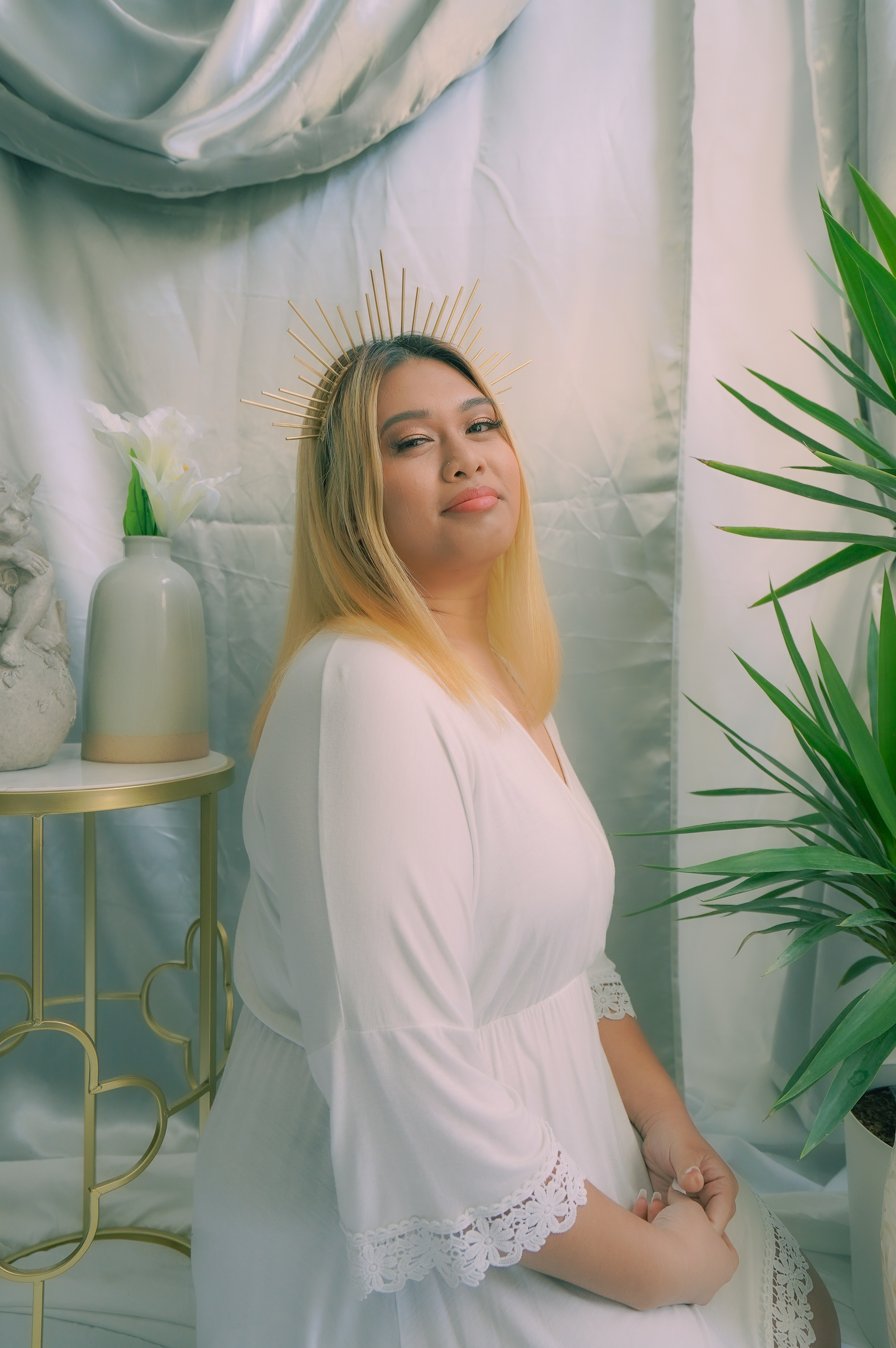






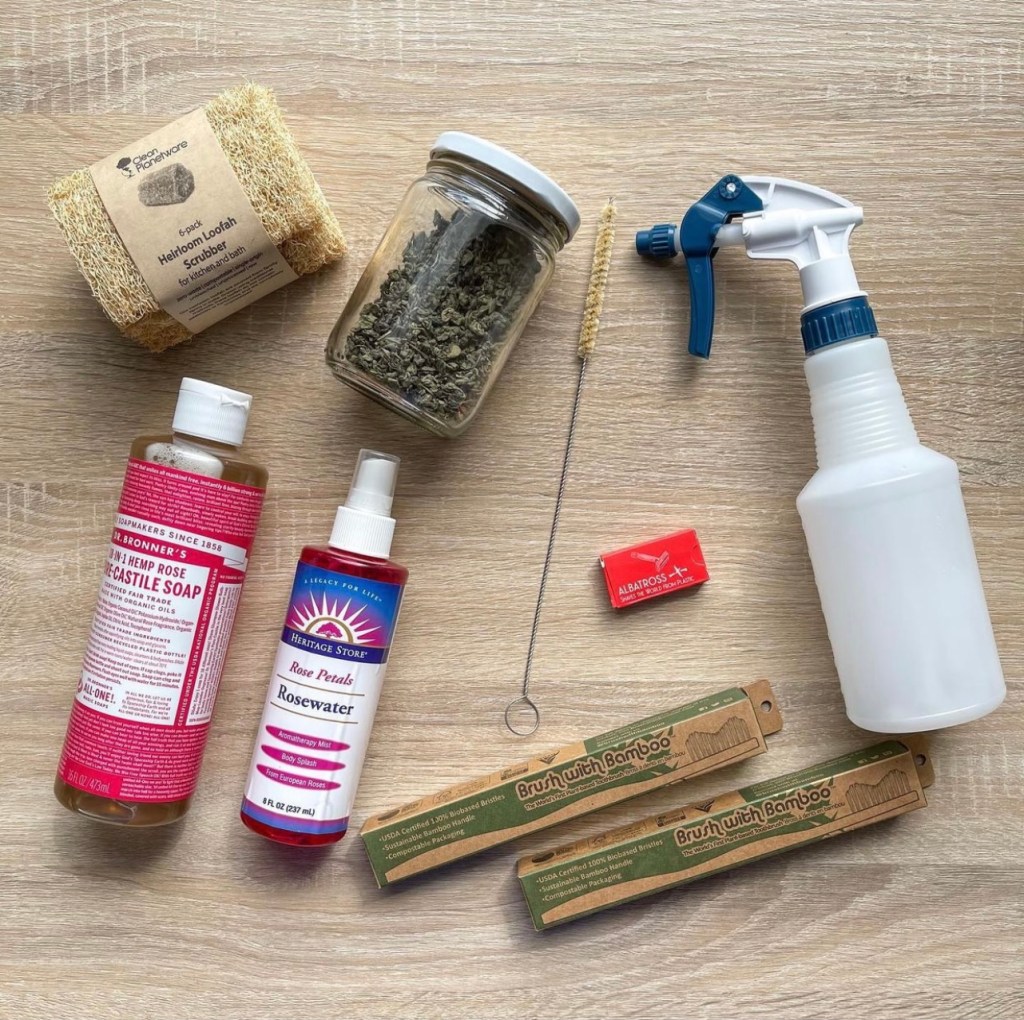
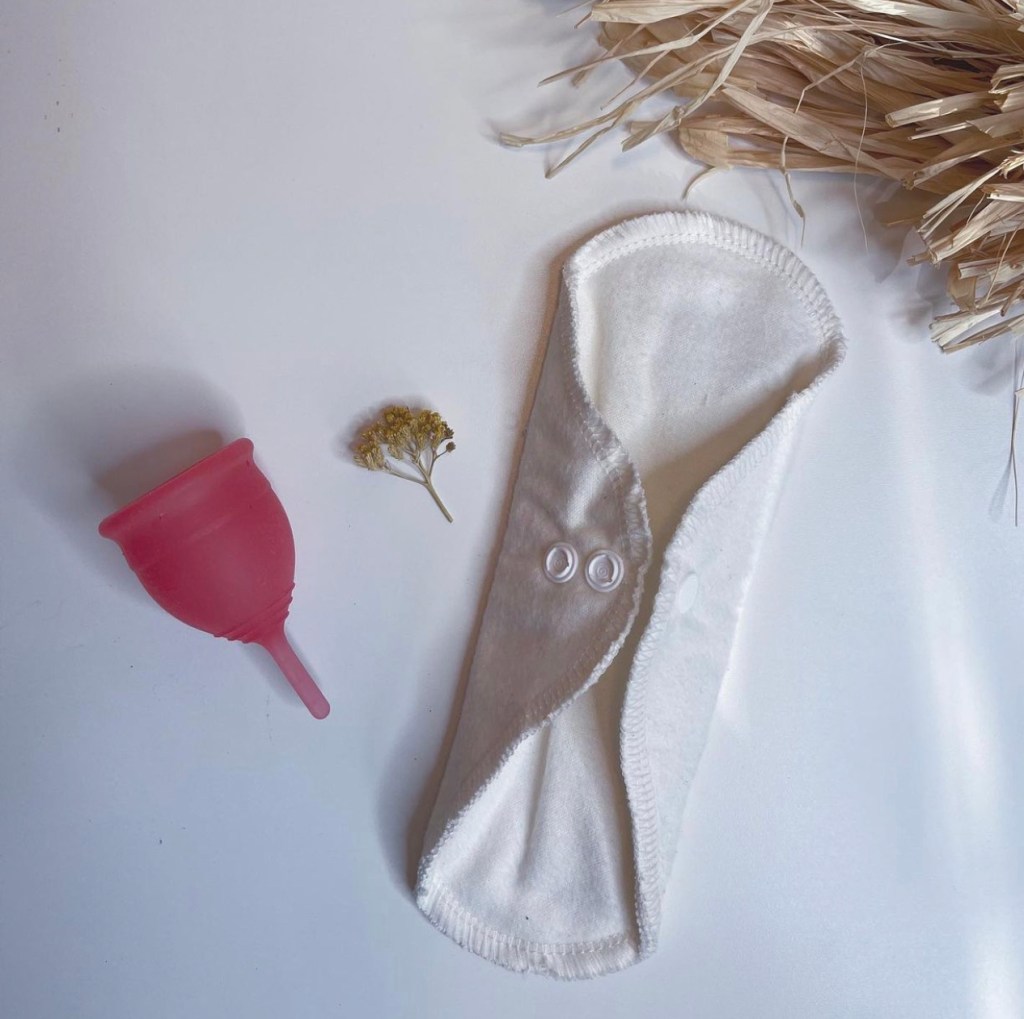

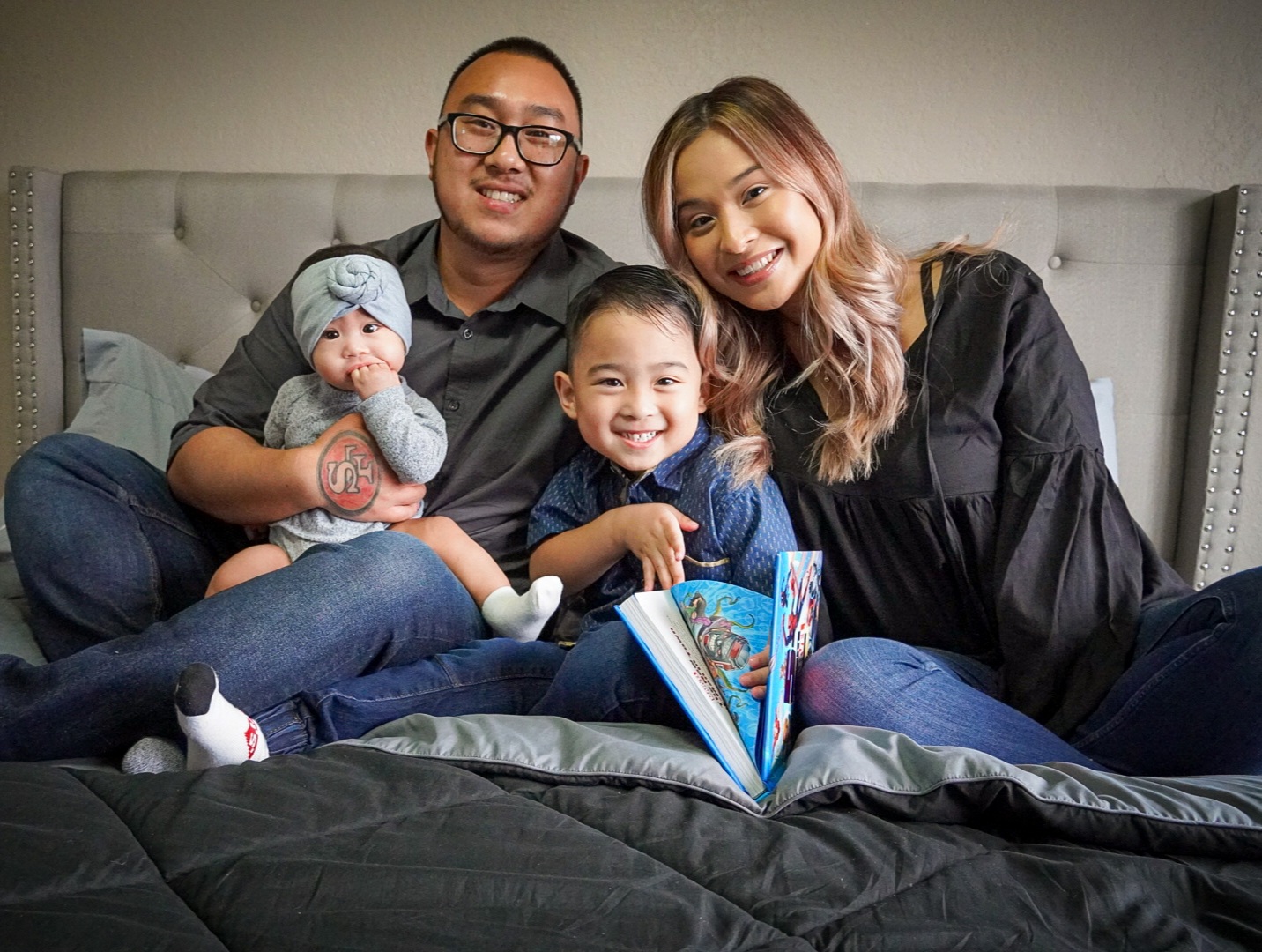
 Love Yourz Story