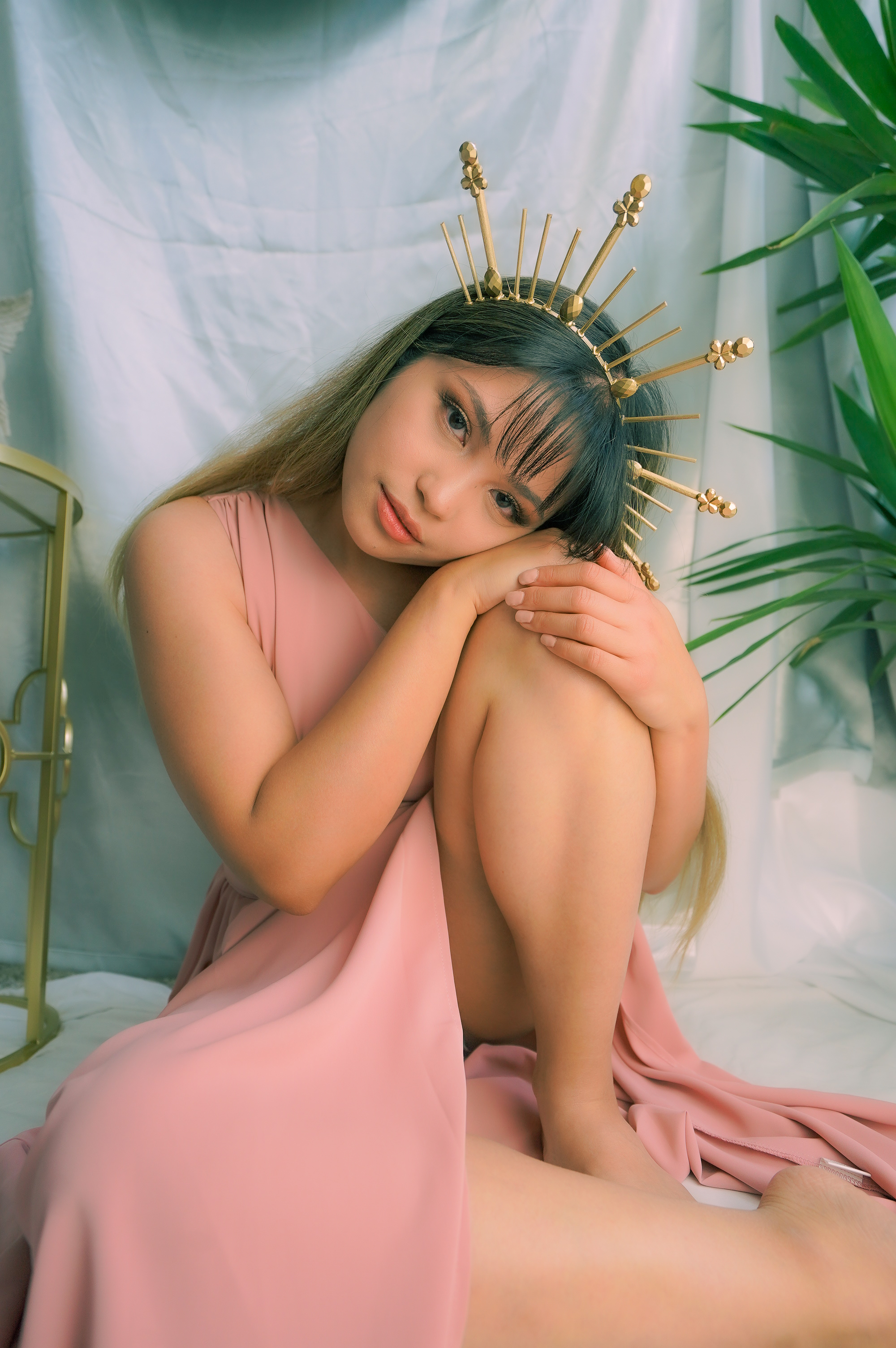
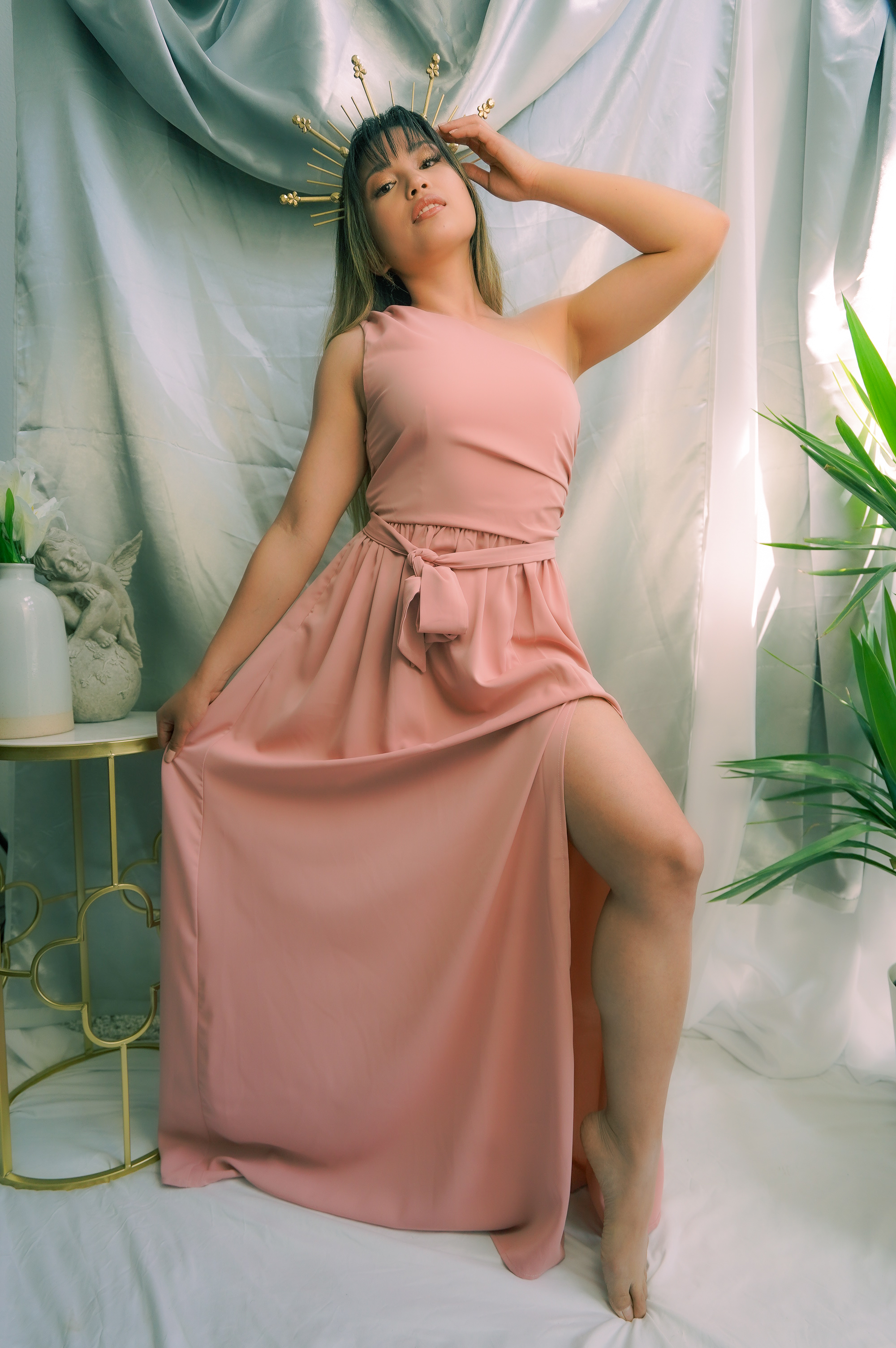
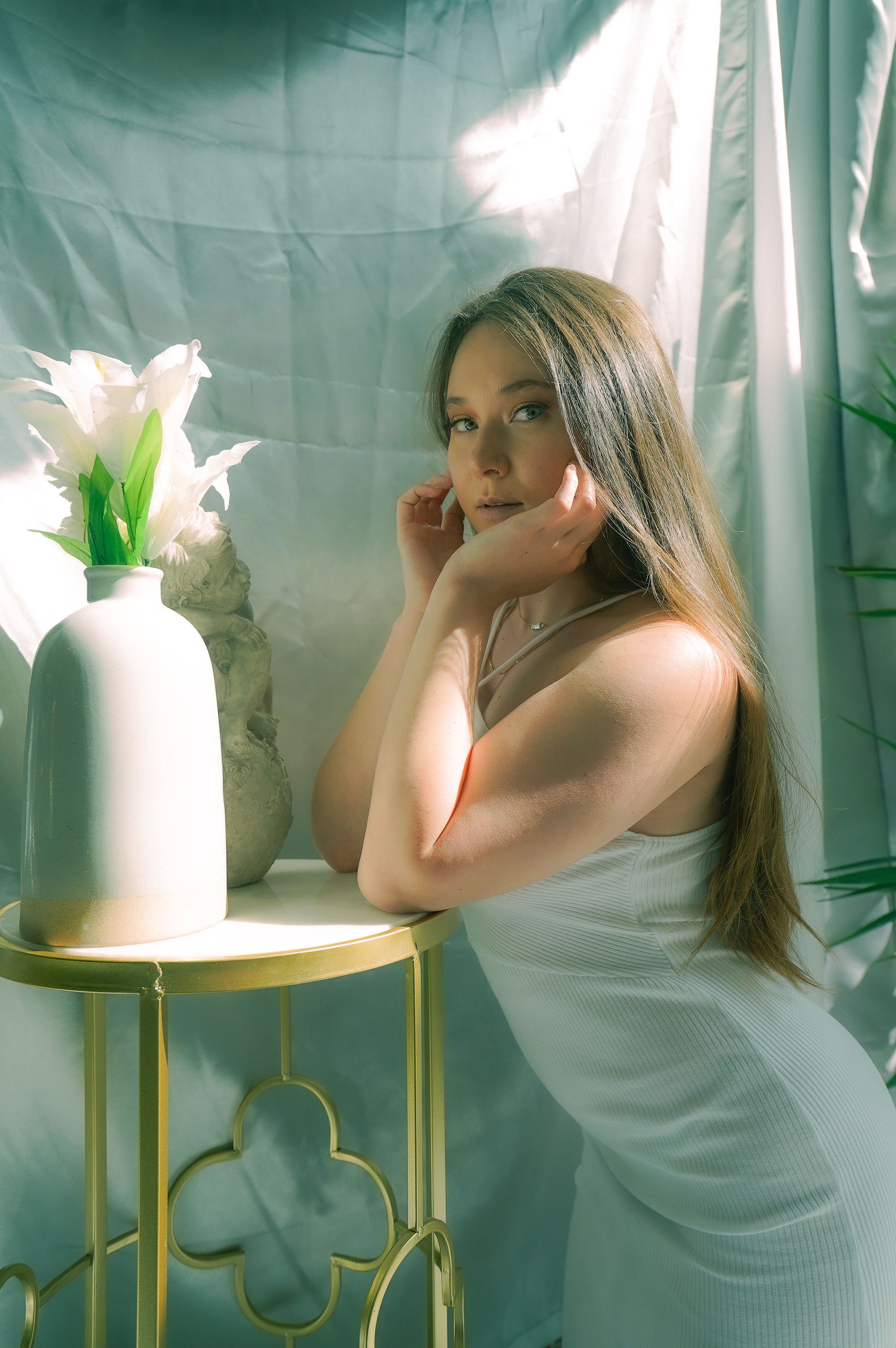
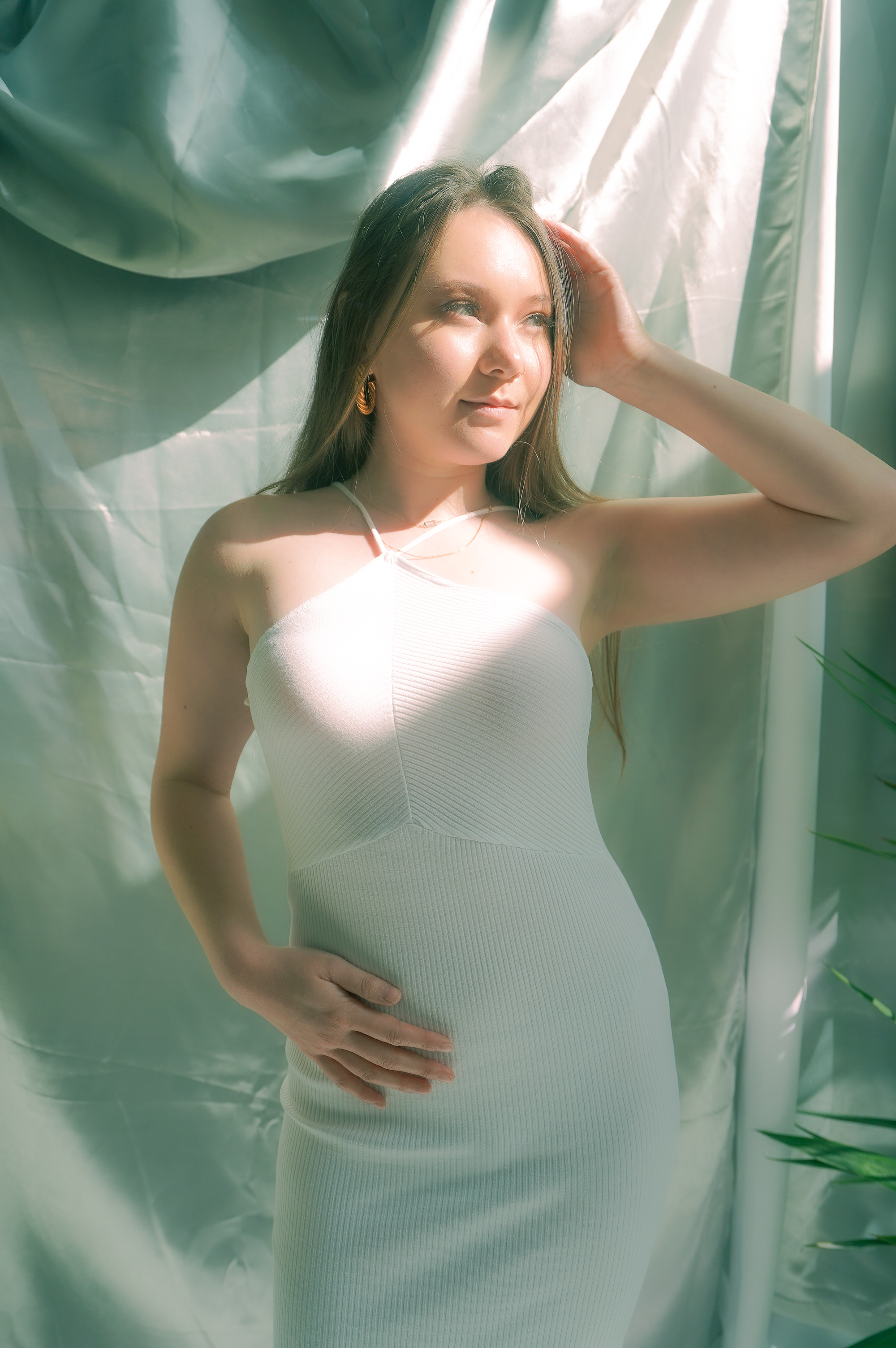
Sabrina: My Journey To Self-Love

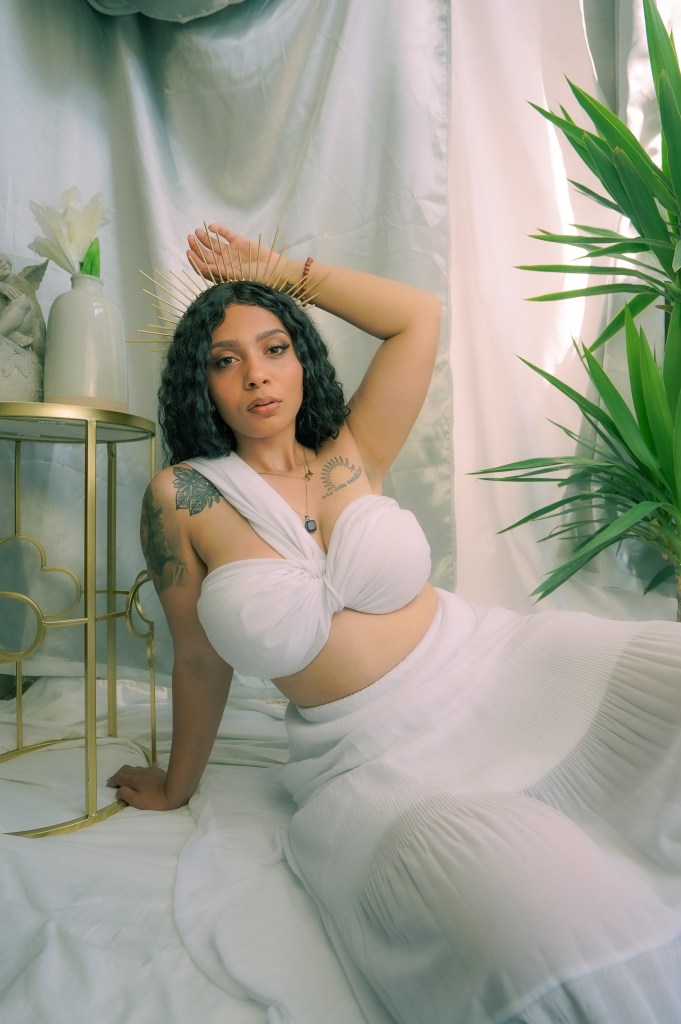
Story 6 of 10. This Body Positivity series is a project I hold dear to my heart. For years, I’ve struggled with my body image, and since reviving this blog, LoveYourzStory, I’ve shared so many of my personal stories, internal battles, and insecurities. This time, I wanted to hear your stories. I took to social media and found 9 individuals who were willing to share their body positive journey with not only me, but my readers as well. I collaborated with two Bay Area photographers, Missdirected (Instagram: @missdirected.art) to photograph these amazing people. Missdirected did not photoshop / alter any of the models’ faces or bodies. These stories are entirely written by them and in their own words, because after all, who can tell their story better than them?” -Marinelle Cabillo, LoveYourzStory

This is Sabrina’s story, written in her own words:
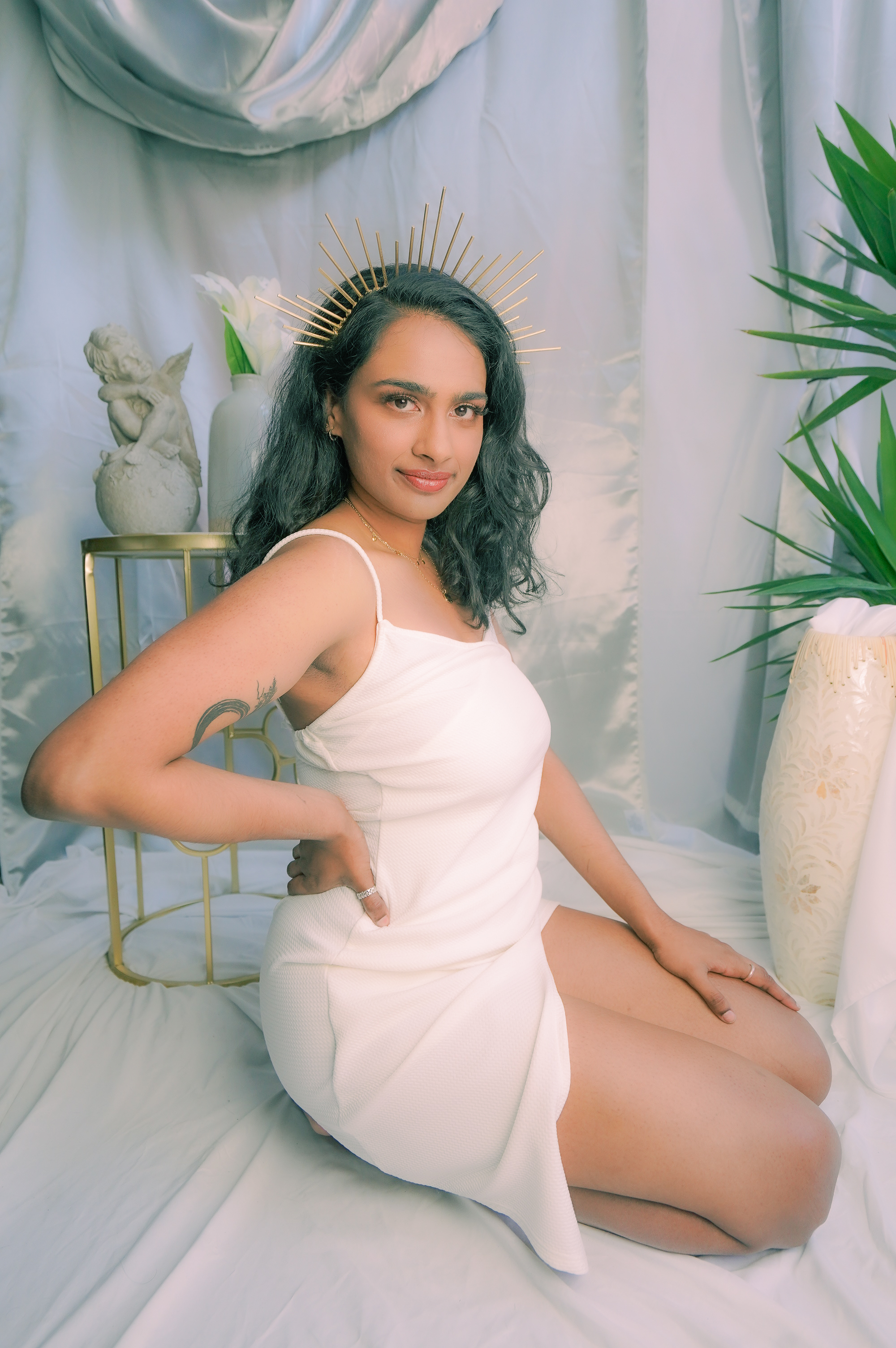
“Today, I’m taking y’all on a journey. The journey of how little Sabrina went from an innocent girl who didn’t have a care in the world, to feeling the pressures of society and succumbing to her inner negative thoughts, and all the struggles and learnings she has gone through in the last 24 years of being in this body. So buckle up and hopefully, this story helps someone out there going through it feel less alone. 

Growing up, I always had a turbulent relationship with my body and eating habits. As a baby, I was pretty chubby, but was also a colic baby, meaning I was just a complete nightmare to be around. I would cry all the time and fuss about eating so much to the point that my mom would spend hours trying to get me to eat and had to feed me water with a spoon. I was really out here trying to dehydrate myself. Over the years, I continued to have problems with eating and would need to be force-fed by my parents. At that time, I had really poor eating habits and would waste all the lunches my parents would pack for me. 

This all changed though around the age of 8 when my body finally recognized how amazing food tasted and I started to inhale everything in my line of sight. My diet was super unhealthy at this point. I would prefer fast food instead of the home-cooked meals my parents made for me. After school, I would beg my parents to take me to McDonald’s, KFC, or Taco Bell. At McDonald’s, I would order 2 fish filet sandwiches, chicken nuggets, and maybe a diet soda to wash it down, which would all be demolished by me before we even got home. 

Around the age of 10, my family had moved to India where we ended up staying for two years during my middle school years. My school at the time offered meals on campus and it was buffet style. We would have so many options for breakfast, lunch, and snacks and no one to supervise us or tell us how much we can or can’t eat. This was literally my dream come true and I happily ate as much as I wanted and didn’t give a care in the world. 

However, soon enough, this safe bubble I was in popped. I distinctly remember a specific time when my family and I were in Goa, a beautiful beach city in India, for vacation. I was about 11 years old at the time and was starting to develop into my womanhood – aka grow boobs – and I had no idea what was going on with my body. I was playing in the ocean with my sister with our clothes on and my mom called me to come out of the water. She told me to cover myself or wear another shirt on top since my boobs were very visible under the wet shirt. I remember feeling so ashamed about this and immediately ran back to our hotel room and started crying. At this point, I didn’t even feel comfortable wearing a swimsuit because I knew my body was going through changes, and I felt so so self-conscious. I didn’t know this at the time but this was a significant turning point in how I viewed my body. I would continue to feel bad about my body for many years to come. 

As puberty hit me like a freight train, I continued to gain a lot more weight. By this time, we had moved back to California and I was starting high school. I was close to ~150 pounds being a 5’ 6” girl and my relationship with my body grew more turbulent. My doctor told me I was overweight and suggested that I exercise even though I was playing competitive sports at the time. I started comparing my body to other girls in my class and would feel so bad about myself. During track and tennis practice, I would always feel like I didn’t look as “athletic” or as “slim” as other girls in our sports uniforms. I remember hating my tennis uniform because it was a sleeveless top that made me conscious of my arm fat. I would feel bad about eating the bagels that my teammate’s parents would bring for tennis meets. I was envious of the other girls who ate whatever they wanted and their bodies still looked “skinny.” It seemed like they didn’t even have to try to look that way and here I was beating myself up about eating a bagel. 

I started to dread going to the pool or the beach because it meant that I had to wear a swimsuit. While other girls were wearing bikinis and feeling super comfortable in their bodies, I still couldn’t even bring myself to wear a one-piece without feeling fat & undesirable. Mainstream media made me feel like the ideal body type was to be skinny and have a flat stomach. I was not skinny nor did I have a flat stomach which made me feel like something was wrong with me, my body, and that I should be doing something to change my body. 

This feeling worsened every time I went to a family party and some uncle or aunty would comment on my body. “Oh Sabrina, you look like you gained weight,” or “Sabrina, you are looking better than last time. Looks like you have lost some weight.” These comments made me feel even more insecure, self-conscious, and made me feel like I had to look a certain way to be considered pretty and worthy. Word of advice to anyone who gets unwarranted comments like this from family or friends: fat shaming and skinny shaming is never okay, don’t let them get to your head. It says more about their own insecurities and way of thinking than anything else if the first thing they feel the need to comment on is someone’s physical appearance. It’s such a shallow way of looking at the world. 

Of course, I let their comments get to my head. Self-confidence was at an all-time low and my body dysmorphia led me down a very restrictive path. When I was a senior in high school, I decided enough was enough and I was done feeling bad about myself and my body. I decided to go on a very strict low-carb, high protein diet and exercised intensely every day for 45 minutes. I would have some cereal for breakfast, a salad for lunch (probably ~300 calories), maybe an orange (like a small ass cutie) as a snack, and would head to my part-time job after school.

During this time, I was strictly logging everything I ate on My Fitness Pal and was so anal about hitting my daily calorie, and macro count. My body was not getting the nutrition it needed and I started to slowly develop a binge eating disorder. I would have a very light calorie day at school, would go to work in the evening at the accounting firm I was interning at, and try to avoid looking at the table full of food that my coworkers brought. 

Eventually, I would succumb to my cravings – cause ya girl was basically starving herself during the day and was so hungry. I would take any food I could get my hands on, go down to the basement at work where I would usually file documents, and gorge myself. I would feel so ashamed for doing this that I would literally make sure no one was near me while I stuffed my face – like I haven’t had food in days. After I finished binge eating, I would usually feel so bad about myself and so physically uncomfortable. I remember one day when it was a particularly bad binge eating episode, I literally sat on the floor with food all around me and sobbed uncontrollably at work. There were days where I would go back home after these episodes and exercise to burn off some calories to make myself feel better. But this never made me feel better since I was 1) so bloated and uncomfortable 2) felt like I ruined all my progress for the day. This would usually end in me breaking down sobbing, feeling more guilt, and ashamed. I would look at my body in the mirror, hate what I saw, and to make myself feel better, I would binge eat again. 

This was a very silent struggle that I went through. My parents didn’t know that I was going through this because honestly, I was doing a pretty good job of hiding it. I would always binge either at work or late at night at home once my parents went to sleep. I would be so ashamed of how much I was eating that I would make sure to do it in secret. 
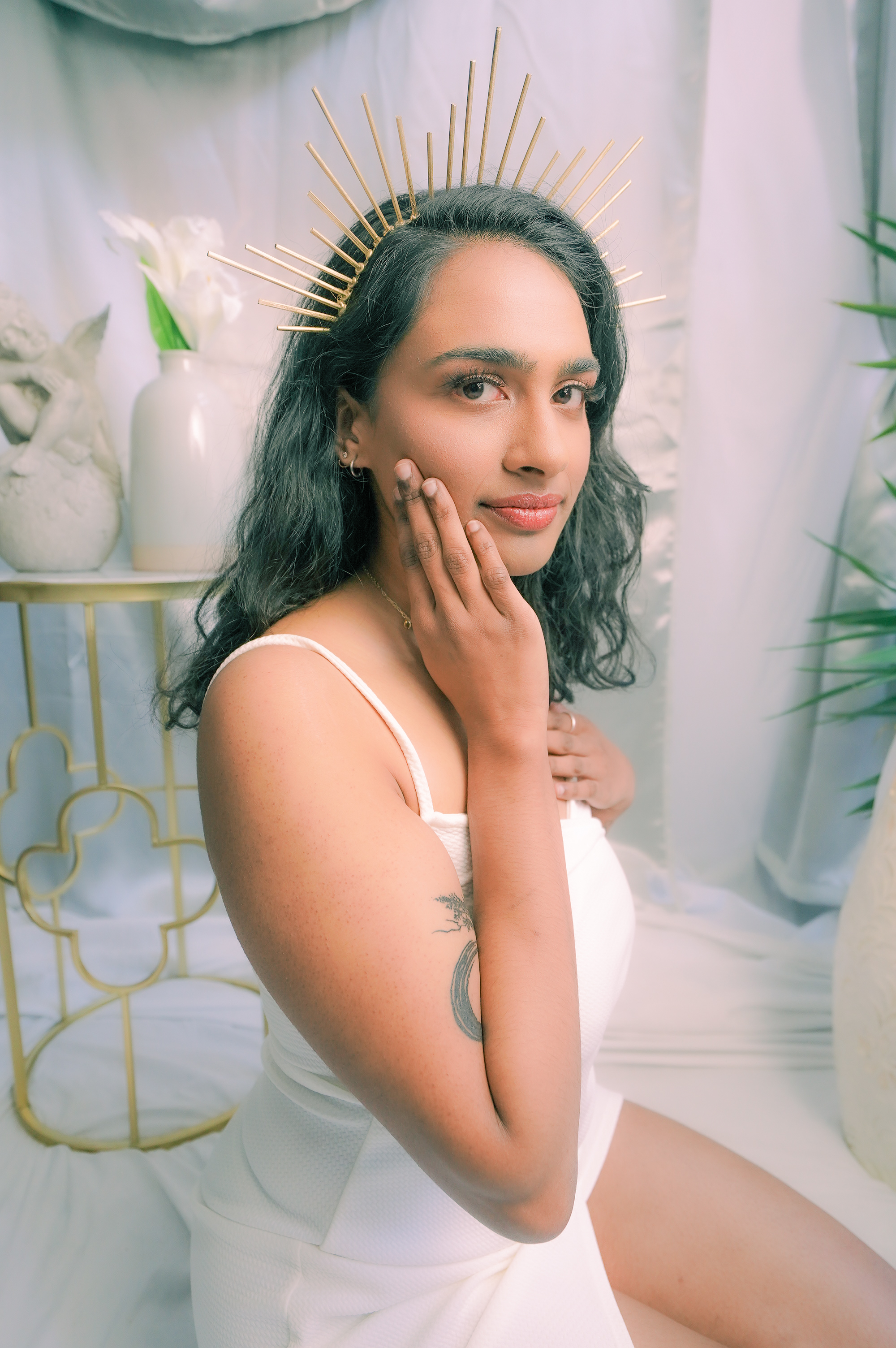
It took me a while to realize what was happening and what I was doing to myself. I knew that I was binge eating because of my restrictive diet, but I never made myself throw up after these episodes, so I never labeled it as an “eating disorder.” Boy was I wrong. One day, after a particularly bad binge eating episode, I googled “How do you know you have an eating disorder?” and “How do you recover from binge eating?” This sent me down a rabbit hole until I finally opened my eyes to my reality. If I continued down this path I knew this wouldn’t end well. I dealt with my eating disorder for almost 8 months and that was probably the lowest point in my body journey thus far. 

After months of this, I knew I couldn’t live like this any longer. I didn’t feel healthy or comfortable within my own body and I hated feeling so superficial about myself. I started to be honest with myself about what I was doing to my body and how destructive my mindset was. The summer before my freshman year of college was when I found the plant-based community and started watching documentaries like “Coswspiracy” and “Forks over knives” and read books like “The China Study” and “The Starch Solution” (highly recommend). I instantly gave up meat after bawling throughout those documentaries. I learned about the environmental impacts of the animal and dairy industry and realized I had to make a change. I also loved how in the plant-based community, there was a focus on eating nutritious whole foods and not restricting the number of calories you ate. I was vegan for the first 2 years of college, transitioned into vegetarianism after, and am currently trying to go vegan again. 

During this time, I also came across the concept of intuitive eating which is essentially eating when you’re hungry and stopping when you’re full. Sounds easy enough right? But if you have ever struggled with an eating disorder or even followed any diet rules you know this isn’t so easy in practice. Since I had restricted certain foods and had binge-eating tendencies, my body was so out of touch with its natural hunger cues. Psychologically, I needed time to get over the diet culture mindset. It took me about 4 months to get to a point where I could stop counting calories and feel comfortable with eating whatever I wanted and however much I wanted. 

During this period, my focus changed from losing weight to listening to my body. I worked on shedding all of this conditioning I had about food, diet, and my ideal body. I was finally eating intuitively. What helped me during this time was to ditch the calorie-tracking apps and unfollowing any accounts that were promoting a certain body type.

In college, my body continued to go through many changes. I gained the infamous Freshman 15 (more like Freshman 25 in my case), and didn’t exercise consistently the first two years. That was the first time since my childhood where I felt liberated and unrestricted. I didn’t care as much about being a certain weight or looking a certain way, and I let myself eat freely without limits (with the only limit being that I was vegan but that didn’t stop me from finding the wonderful world of vegan junk food). 

Of course, this liberating feeling didn’t last long. I started to feel bad about all my weight gain and started beating myself up for letting it get this far. I would try to go to the gym to do cardio or a group class but never stayed consistent and felt demotivated by all the strength and stamina I had lost. The summer before my junior year, I discovered the weightlifting community and loved the focus on gaining strength & building muscle vs. losing weight and having a skinny figure. This was a huge mindset shift for me in how I viewed exercise. Prior to this, I always saw exercise as something I had to do to burn calories and lose weight. Weightlifting completely reframed that for me, and now I wanted to lift so that I could gain strength and see my progress. 

As I continued to weightlift throughout my junior year, I started eating more since I was hungry and wanted to gain muscle. I started to see how food is actually fuel that would help me get stronger and build muscles vs. something that I had to limit and keep track of. The last two years of college were probably the most comfortable and proud I felt of my body. I worked really hard to gain strength and shed past conditionings of restrictive eating. I felt like I finally arrived at a place where I could feel confident in my body and love what I saw when I looked in the mirror. 

Now, don’t get it twisted. I’m not saying I’m suddenly happy in my skin or that I never have destructive thoughts about my body. I still look at the mirror and focus on the “flabby” or “unflattering” parts. I still pinch the fat on my stomach, arms and back and wish it wasn’t there. I still have moments of low self-esteem. I still look at the mirror sometimes and am not happy with what I see. 

The media makes us believe that diet culture is so mainstream and that everyone needs to adhere to these strict ways of eating to look a certain way. It’s truly scary how ingrained this is in our culture, how often it is practiced and seen as normal. The staggering truth is that the diet industry is a $60 billion/ year industry. We are constantly being pitched something that makes us believe we need to lose weight – a fitness program, celebrities promoting weight loss pills, brands selling clothes that only fit a certain body type, etc. It’s hard to not fall into the trap of thinking that we need to change our bodies when all we see online is eurocentric beauty standards and a lack of representation. 

Since the pandemic started, my whole workout routine has completely gone out the window. Without a gym, I’ve been struggling to stay motivated to do at-home workouts. I have lost all the muscle mass I worked so hard to build in the last few years and have beaten myself up for not working out consistently. I have slipped back into feelings of low self-worth and have had moments where I’ve been critical of my body in the past year. Whenever I have these moments, I remind myself that this is MY body and the only body I will ever have. It’s a privilege to have this body and I have to honor and love it at all stages. I spend extra time on self-care and self-love practices that help me get out of that negative headspace and allow me to focus inward instead of outward. Taking time for gratitude has been essential and I thank my body for being my vessel on this earth and allowing me to have all these dope experiences. This has allowed me to be comfortable with accepting myself the way I am in this present moment. 

If I could go back and talk to my younger self, I would hug her and tell her that she is beautiful and loved just the way she is. I would tell her that your weight doesn’t define your worth. Diet culture is a load of bullshit and you should never try to conform to something you see on the internet. Food is meant to be enjoyed and life is meant to be unrestrictive. I would tell her that criticizing your body for years hasn’t helped you at all so why don’t you try accepting yourself and see what happens. 

As a society, we are conditioned to think that we need to look a certain way to feel happy and confident in ourselves. The media feeds into this thinking and makes us feel like we’re less than and/or not beautiful just the way we are. If you’re reading this and have been through or currently going through something similar, just know you are amazing just the way you are, and fuck society’s nonsense. Don’t value your body over your being. No one can take that away from you and you have so much more power and agency than you realize. Everyone has body issues, even those you idolize. When you come to realize that everybody deals with body image issues in their own way – even the people you might consider as flawless – then you can start to accept yourself just the way you are. We are all different shapes, and sizes, and that’s what makes each one of us unique and this should be celebrated. There is no one else like you. We only have one life to live and one body so we must take care of our home & nourish it with love, kindness, and empathy. I want to share my story with others because I know I am not alone in how I feel about my body. We need to speak to one another and shed ourselves of the programming society has instilled in us. The more we do this the more we can feel liberated and closer to our truth.” -Sabrina

Trixi: My Post-Bodybuilding Journey to Intuitive Eating

Story 4 of 10. This Body Positivity series is a project I hold dear to my heart. For years, I’ve struggled with my body image, and since reviving this blog, LoveYourzStory, I’ve shared so many of my personal stories, internal battles, and insecurities. This time, I wanted to hear your stories. I took to social media and found 9 individuals who were willing to share their body positive journey with not only me, but my readers as well. I collaborated with two Bay Area photographers, Missdirected (Instagram: @missdirected.art) to photograph these amazing people. Missdirected did not photoshop / alter any of the models’ faces or bodies. These stories are entirely written by them and in their own words, because after all, who can tell their story better than them?” -Marinelle Cabillo, LoveYourzStory

This is Trixi’s story, written in her own words:

“Growing up in a stereotypical Asian household, I was expected to be above average. I had to be better than the best. I always felt like I had to give 110% percent to prove that I am worthy. Anything less than perfect made me feel like a failure. I meticulously planned and created lists to make sure I got into a good college, and secure a job after. I took the advanced classes, became board members for clubs, and made myself look like the best candidate in writing. The last thing I wanted was for my parents to think I was slacking. 

So ever since I can remember, self-doubt loomed over me like a dark cloud. I always had negative thoughts in my head telling me I couldn’t achieve anything even if I tried my best. After graduating college, I expected the negative thoughts would die down, but they continued to weigh down on me. Regardless of what I achieved, I still felt like I didn’t accomplish enough. 

Then, I decided I was over it!!! To overcome my insecurities and prove to myself I was capable, I decided that I would complete a challenge soo hard that if I achieved it, it would immediately squash all the negative notions I had about myself. This was the very first challenge I took on for me, and not anyone else. I was so used to performing to meet the expectations of others, but this is something that I wanted to do for myself. 

Disclaimer: We are not defined by our achievements! We are all inherently worthy. But, I didn’t know that then. lol So in June 2019, I signed up to compete in my very first bikini bodybuilding competition…and this is where the plot thickens: what I initially thought was simply a test to boost my self-esteem turned out to be the beginning of my body positivity journey and healing my relationship with food.

For 6 months, I followed a strict meal plan and training regimen. I completely cut out sugar and dairy (two of my fave things), I drank 1.5 gallons of water a day (which was already a challenge in and of itself) and gosh, I said no to pad thai more times than I can count, and I fucking love pad thai. Training included fasted cardio in the morning, about 2 hours of training in the evening, followed by 30 mins of post-training cardio. In addition to changing my physical activity and nutrition habits, I had to learn to better manage my money (cause bodybuilding ain’t cheap) and my time to juggle a full time job and somewhat have a social life.

I took it day by day. I showed up and eventually these tasks became habits. I began to see myself as an athlete and I started to believe that I could really win this competition. There were a lot of temptations (food, drinking, sleeping in). Executing the plan wasn’t easy, but making the right decision was simple. I know that most may have difficulty with following very strict rules but having a plan and checking off boxes was what I was used to. I had the mentality of “If I want this, then I have to do that”. And if I don’t, I won’t get it. This time, the goal was to win, and all I had to do was to execute the clear-cut plan that was given to me.

November rolled around and it was finally competition day. I placed 1st in True Novice, 2nd in Novice, and 4th in Open. But regardless of my placing, I already felt like a winner. I proved to myself that I was strong, I can show up no matter what, no excuses. Even before I hit the stage, I was so proud of what I accomplished. I didn’t even care if I didn’t win or not. No judge could have told me that I didn’t bust my ass to get here! While bodybuilding helped me gain confidence, it also brought to light my complicated relationship with food.

After my competition, my training and meal plan became more flexible. But this flexibility really threw me off. When I stuck with my meal plan, I wondered if I was being too strict, and not giving myself time to enjoy food. When I did enjoy food, I wondered if I was letting myself go. I fell in a loop. My mind would switch between “Follow your meal plan or else you’ll gain weight too quickly” then restrict myself from eating anything “bad”. But then I would think, “Enjoy some treats! Live your life!” and I would binge. I would eat and eat, waiting for my stomach to tell me that I was full, but it felt like my stomach was a bottomless pit that was impossible to satiate. I was waiting for my brain to tell me, “ok that’s enough,” but it never came.

This battle led me to explore my eating habits growing up. When my family went to restaurants, we would always order like an insane amount of food and get absolutely stuffed! Even when we were so full that we could barely breathe, we always made room for dessert. “Food is nourishment!” they justified. But rather than focusing on nutrition, food was mainly for comfort and celebration. Even when my body told me to stop eating, I ignored all satiety signals to continue celebrating. So even before bodybuilding, my satiety cues were practically nonexistent.

The cycle went on for two months. Restrict and binge. Restrict and binge. Restrict harder, binger harder. I looked in the mirror and saw I was no longer lean. Looking back, I didn’t gain much weight but at the time I hated what I saw. I felt big, I felt out of control. Mentally, I was slipping.

I knew this eating pattern was unhealthy but I felt like I couldn’t get out of it. It got to a point where I no longer trusted myself; the body that once triumphed on stage was now failing me. It felt like my body was hijacked by something else, and I was stuck in this vessel, just watching myself derail. Naturally, the scale started to go up and I felt like I was gaining weight all wrong. I spent so much time looking at myself in the mirror and criticizing myself. Front angle, side angle. I would hold and pinch my fat, wishing I was lean again because lean meant I embodied discipline and hard work. It meant that my behavior aligned with my goals. Back then, the goal was to get lean to win a competition. Now, the goal was to live a balanced and healthy lifestyle, but I had no clue what that meant! It isn’t so straightforward. There is no clear-cut plan for that.

People began to notice that I refused to eat and drink anything that wasn’t outside my meal plan. Comments like “Just one bite won’t hurt!” and “It’s only one shot” really bothered me, because at the time, I felt like one bite or one shot can really ruin my body. Following my meal plan gave me a false sense of security, and I didn’t know how to transition out of it post-competition. 

Christmas was my all-time favorite holiday, but that year, I dreaded it. Thinking about all the food that will be at parties gave me so much anxiety. And just my luck, that year, our annual Christmas potluck was held at my apartment. Even at my own party, I was so scared to eat the “wrong” thing. I felt overwhelmed and paralyzed, but on the outside, I pretended I was okay with not eating or drinking anything. I tied so much of my identity to being disciplined and put together that I was terrified my friends would find out the confident athlete they saw on stage just a few months ago wasn’t there anymore.

That night, I eventually caved. I started to eat, and again, I couldn’t stop. By the end of the night, I felt so uncomfortable that I went to my room to change to less fitting clothes. When I took off my shirt and saw how bloated I was, the self-loathe set in and I started to cry. Never in a million years did I think I would develop body dysmorphia. I was 10lb up my stage weight which actually put me in a healthier weight, but in my eyes, I gained too much. I hated myself for being out of control and I hated myself for having such a fucked-up relationship with food. I felt disconnected with myself and with others. I felt alone and overall a fucking mess.

My friends saw me breakdown. “I didn’t want you guys to judge me.” I admitted shamefully. But as one of my friends put it, “The people who love you will always be there for you unconditionally, and the people who do judge don’t matter.” Seeing my friends concerned was my wake up call.

After that night, I decided it was time to heal my relationship with food. The first step I took was to destigmatize foods as being either “good” or “bad.” I learned that restricting myself was just as harmful as indulging which often led me to binge. Opening myself to all foods lifted constraining thoughts. After this shift in mindset, I felt liberated and empowered to trust myself again.

Next, I adjusted my eating habits to not only be healthy but also sustainable. Fitness is a huge part of my life and to improve my performance, I need to fuel my body properly. At the same time, I love to hang out with friends over drinks, and eat with my family at the dinner table. Finding balance was a whole lot of trial and error. Eventually I learned I feel my best when I eat nutritious foods about 80% of the time. I meal prep most of my food and occasionally I use Door Dash (aka my best friend during quarantine). This may not work for everyone. It is completely subjective and depends on your own goals and lifestyle. 

Lastly, I evaluated and reset my intentions. I learned that my beliefs around food were rooted in self-loathe and punishment. I felt like I had to be perfect all the time or else my efforts didn’t count. It was an all-or-nothing mentality. Now, I see it as a journey of self-discovery. I know that I am going to slip up occasionally, and that’s okay! I have learned to respect my body and to love myself no matter what stage I’m in. If I am making an effort to honor my body, I know I am on the right path.

Despite the mental roller coaster that bodybuilding put me through, I would still compete again. I came in with the intention to build trust in myself, and looking back, it taught me to do just that and more. Next time around, I won’t be competing to prove I am enough, but simply for the fun of improving in this sport. I’ll be coming back with a better mindset, and a healthier relationship with food. It’s been a year and a half since my competition, and I am just now feeling comfortable with my eating habits and my ever changing appearance. While my relationship with food is a work in progress, I am really proud of how far I’ve come.” -Trixi

Alisa: The Insecurity Within

Story 3 of 10. This Body Positivity series is a project I hold dear to my heart. For years, I’ve struggled with my body image, and since reviving this blog, LoveYourzStory, I’ve shared so many of my personal stories, internal battles, and insecurities. This time, I wanted to hear your stories. I took to social media and found 9 individuals who were willing to share their body positive journey with not only me, but my readers as well. I collaborated with two Bay Area photographers, Missdirected (Instagram: @missdirected.art) to photograph these amazing people. Missdirected did not photoshop / alter any of the models’ faces or bodies. These stories are entirely written by them and in their own words, because after all, who can tell their story better than them?” -Marinelle Cabillo, LoveYourzStory

This is Alisa’s story, written in her own words:

“I’m Alisa Nguyen-Le, and I’m a 4’11” half white, half Vietnamese cisgendered woman. For as long as I can remember, I have struggled with insecurities around my short height, acne, and weight. To this day, I am working towards accepting and loving parts of myself that I once would grimace at. The journey of embracing body positivity and unlearning societal beauty standards is not easy, but to me, it’s crucial in order to live a truly fulfilling life. That is why this project spoke to me so much. 

Around the age of puberty, I started breaking out with severe acne and developed a hatred towards the way my face looked. From once being called pepperoni face to my family always commenting on my skin, I never wanted people to look at my face. Every time I would look in the mirror, all I could see was my pimples and my scars. Because of the insecurity of having acne, I started wearing makeup when I was in the eighth grade to cover up my blemishes. In high school, I would put on a full face of makeup every single day to make me feel more confident and mask my insecurities I was having. When I put on makeup, I felt like a different, more likeable person. It hurt to look at myself in the mirror, and it was impossible to tell myself that I was beautiful unless I had a full face of makeup on.

On top of that, growing up in a community that was predominantly Asian, I always wanted to look more like my Asian side to fit in. With makeup, I felt as if I could alter my looks to be more of the person I wanted to be. When I would look in the mirror, the voice in my head would criticize everything I saw including the paleness of my skin, my acne, my sparse brows, my small lips, and my baby face. After I started to take birth control in college, I began noticing that my skin was getting better. Despite my acne improving, I still felt a lingering insecurity inside of me. I started to realize that the way I felt about myself was internal and that I had the power to change the narrative in my head. When I started to feel “ugly”, I would tell myself that no two people in this world are exactly alike and to embrace the face that nature had given me. By making this a mindful practice in my life, I slowly started becoming more confident in going outside without makeup at all. Finally, I was finally able to tell myself I was beautiful naturally.

Despite my progress in accepting my natural face, I also started to notice my body shape changing after beginning to take birth control. I was gaining weight. In the past, I would be able to eat whatever I wanted without gaining any weight. I would eat a lot and enjoy every moment of it. However, this started to change dramatically, and I started to tell myself that I couldn’t eat the way I used to. I began to feel insecure about the way my body looked, especially when wearing a bathing suit. My thighs were getting thicker, and I started to gain more fat on my stomach. I started to label my arms as flabby and would suck in my stomach when taking photos. I didn’t know what was happening to me. I felt like I was in someone else’s body. At the time, I was with my now ex-boyfriend and genuinely feared he wouldn’t want to be with me anymore because of the way my body was changing. I would discreetly throw in comments to hopefully receive compliments and validation from him to help make me feel worthy enough. This was also when Instagram influencers started to become more prevalent, and I started developing a habit of comparing myself to more fit, pretty, and skinny girls I saw online. I started going to the gym more regularly, and though it made me feel better, I started to base my self worth on whether or not I gymmed.

To this day, I struggle with only wanting to wear one-piece bathing suits (if I have to wear one), not wanting to wear outfits that show my arms, and avoiding crop tops (even though I love the look) to avoid feeling embarrassed over what people can see behind the fabric. I have fears that folks from high school will see photos of how I look now and think, “wow, she’s thickened,” or “Alisa let herself go.” It’s tough when I look in the mirror, and I’ll think I look good, but when I see myself in photos from the same day, I feel repulsed at how “fat” I look. I’ll genuinely question, “is this really how other people see me?”. During January 2020 (right before the pandemic), I went on a trip to Hawaii. I hated almost every single photo of myself in my bathing suit. After this trip, I told myself that I wanted to make some significant changes in my life to lose weight. I wanted to gym more aggressively, and I wanted to change my diet. I had seen other people try a keto diet and saw that it worked for them, so I told myself that I wanted to give it a try too. Although I started somewhat strong, I quickly started developing my old habits of eating carbs (mind you, I’m a huge foodie and love all foods, so this was incredibly challenging for me). My failed diet made me feel like a failure as a person. 

When the pandemic hit, and gyms started closing, I honestly felt a bit of relief. Relief that I wouldn’t have the pressure of physically going to the gym. I also started to not feel as poorly about not sticking with my diet as my mind had shifted from being hyper-aware of how I looked to getting acclimated to “the new normal” of the pandemic. Although I always knew in the back of my mind that I had an unhealthy obsession with the gym, I never did anything about it. This changed dramatically during lockdown. After having no other choice but to sit down and reflect on what really mattered to me, I deprioritized my looks and shifted my focus to my health and the health of my loved ones. I also began to hear people talk about “quarantine weight,” which made me feel better knowing that other people were on their journeys. Now, my focus is to try to take care of my mind, body, and spirit. If I work out one night, then great. If I don’t, I try not to dwell on it. If I feel like eating something, I will try my best not to feel guilty about it. Of course, I’m a believer in “everything in moderation,” but I recognize it’s natural for things to become unbalanced from time to time. 

It’s a life-long process, and I wish I could say I’ve moved past this internal battle with myself. Because of this internal battle, there are times where I feel like my obsession with exercising manifested itself into an obsession with at-home workouts. There are also times when I fear that I will develop the same obsession I had with the gym pre-covid life. However, in those moments, I have to remind myself not to be too hard on myself. When I die, I know people won’t remember me for how I looked on Instagram photos, but rather who I am as a person and how I made others feel. When I do feel my insecure mindset starting to creep up, I try to remind myself to channel that energy onto uplifting affirmations instead. I tell myself that everyone is beautiful the way they are, and everyone is on their self-love journey. I tell myself that it’s okay if I don’t look like the model girls I see on Instagram. I tell myself that people love me unconditionally, regardless of how I look. I tell myself that I am beautiful, even if it’s hard to believe at the moment. I know the journey of self-love is difficult, painful, and sometimes almost impossible to endure. However, through resilience and strength, I have faith that everyone will be able to see their natural-born beauty and embrace who they are inside and out. As we live in a digital world, it’s so easy to get wrapped up in beauty standards from what we see on the screen. I think it’s important to remind ourselves that what we see online is curated and does not always reflect reality. However, social media isn’t always negative, and it gives me hope and inspiration to see more body-positive activists spread the message that everyone is beautiful in their own way. 

Although the “body positive” movement is often associated with advocating for bigger bodies in the media (which is absolutely necessary), I hope that one day, the stories of all body types will be shared. It’s important for all people to tell their story so our society becomes more understanding and empathetic of the people we surround ourselves with. For anyone else struggling with their body image, I want you to know that you are loved for who you are, regardless of what you look like. You are beautiful and unique. You are strong and will get through these challenges. If there is one thing that you take away from this story, please remember that you are not alone and we are in this together. You are one of a kind and there will never be someone exactly like you. Embrace it.”

-Alisa

Lorna: Being My Own Hype-Woman

Story 2 of 10. This Body Positivity series is a project I hold dear to my heart. For years, I’ve struggled with my body image, and since reviving this blog, LoveYourzStory, I’ve shared so many of my personal stories, internal battles, and insecurities. This time, I wanted to hear your stories. I took to social media and found 9 individuals who were willing to share their body positive journey with not only me, but my readers as well. I collaborated with two Bay Area photographers, Missdirected (Instagram: @missdirected.art) to photograph these amazing people. Missdirected did not photoshop / alter any of the models’ faces or bodies. These stories are entirely written by them and in their own words, because after all, who can tell their story better than them?” -Marinelle Cabillo, LoveYourzStory

This is Lorna’s story, written in her own words:

“Growing up, I have always been a big girl. The tallest in my class, the thickest dancer in the back, and the biggest center on the court. At a very young age, I thought that because I was Samoan and Tongan, that was immediately why I was so big. I had a love hate relationship with my body because I did love my body, but I believed everything that people told me about my body, too. As much as I try to be my biggest supporter, everyone has their bad days. 

Sometimes I return a joke with a joke, but when I was younger, there were some incidents where my temper stole the best of me. There was a time where this one girl in my class was going to tell another girl that I was rolling my skirt up and didn’t wear a shirt underneath my uniform sweatshirt cause I was sweaty. The first thing I thought of was to throw a slightly filled gatorade bottle at her to stop her, but instead ended up hitting the girl she was going to tell and gave her a huge bump on her head. Another incident, I threw a volleyball at a group of boys because they were teasing me during our basketball game at recess, calling me a “beast” with a negative snare. I smacked one of them right on their face and when he got up, it looked like he was literally seeing stars and he had the volleyball imprint on his face. Another incident and my favorite was when I was just starting to learn how to play basketball and I also had just transferred to a new school. The girls in my grade would make fun of me because of the way I would jump stop, pivot, shoot, and run, because just like everyone else who starts something new, I was just learning— so I probably did look silly at first. Well, because I was so big, my coach wanted me to be the “big man” on the court and focus on playing defense. At this moment, I was getting frustrated with the girls judging me and my coach telling me what to do. The coach’s daughter was driving the ball down the court, and I wanted to do something right, so I attempted to block her shot but ended up tackling her through the gym doors. Needless to say, the girls stopped teasing me during practice, and I practiced sportsmanship with every game from that day forward by helping opponent players up off the floor, after knocking them down and fouling them. 

As a middle schooler, I was size 14 in dress and size 10 in shoes. I was wearing junior clothes and 4-inch heels because I stopped fitting into the girls’ stores, like Limited Too, at the age of 9 when puberty hit me. My mom knew my personality was bright and reckless so she supported my style of wearing “actually cute” clothes that accented my boobs and big butt. But as much as I loved my body, there was always someone in my ear trying to tell me otherwise. A memory I have was when I was in the seventh grade attending a Catholic School. I was transitioning classes through the outside yard and was crossing paths with the older grade. This kid yelled at me in front of mine and his class, “Why are your legs so big?” My answer immediately was “Well, I’m Samoan.” I really didn’t understand why people asked stupid questions that they think would be funny. I was honestly use to these questions because everywhere I went my bigness was always talked about. It was always a thing on how big my hair was, how big my mom’s oldest daughter is, and how big my personality was too.

At first, I thought the “acceptable” body was having “tamed” hair, slim waist, and thin legs. I was born with huge calves, thick thighs, and coarse curly hair.  Growing up through middle school and high school, I was getting my hair permed straight, because of how easier it was to manage, and I was mostly focused on keeping my tummy “flat” because I felt that was the only thing I could really control.  I liked my tummy only when I woke up in the morning, when I didn’t eat too much that day, and after a workout. It was a great thing I played basketball. Being active was always a priority, but I would still be told to suck it in when going out in a dress or for dance performances. Today, having a “snatched” waistline and a big butt is acceptable and highlighted in all social media platforms. Ads show procedures, pills, and even creams that can help with maintaining this appearance. 

When it came down to wearing crop tops, skinny jeans, booty shorts, and bralettes, I was ALWAYS attracted to this clothing. Growing up in the late- 90s and early 2000s, I was influenced by celebrities like Aaliyah, Beyoncé, Britney Spears, Avril Lavigne, Rihanna, Nelly Furtado, Fergie, and Destiny’s Child. I would dress my barbies up with scraps I would cut from my clothing, and then make a cheeky matching outfit for me too. My mom has always supported my confidence and extra-ness, but never let me feel like I was dressing outside of my age. She knew I liked to show my tummy, even though she would always call me out to “suck it in.” Moms be like that. She also supports my twerk movement from chaperoning dance socials and attending my dance performances. Love you, Mom. I could see in her eyes that she sees how happy I get when I’m basking in my greatness, and so I welcome my mother to bask in my self- love with me too.  

I know I’m not the only one, but my family bonds through roasting each other and calling out each other’s insecurities. It’s a weird human normality, but it’s always a chance to stand up for myself and hype myself up— proudly. My mom talking to my aunties about how great – and how not great- I am are all a part of having a big family who genuinely loves me for all that I am. I live wholeheartedly on having a completely balanced life, and even with these negative comments coming from my blood— that itself multiplies my love for my body tenfold. People outside of my race who comment on my body get their comparisons to celebrities and athletes that are known through the media, entertainment industry, or “because they know someone who is also Polynesian.” I am Samoan and Tongan, which I guess makes it tricky for people to guess. Samoans and Tongans are very close islands in Polynesia, so if one was called the other of course just like every other ethnic person, they will feel some type of way for being assumed as a different culture. The last thing that a person wants is to insult a very big person, so everyone approaches me with a caution warning sign before asking me about my culture based on their first observation of me. The crazy thing is that when I say I’m both Samoan and Tongan they say, “Oh I can tell!” I feel like people say this to get a sort of connection with me because they want to be right about me. The way I respond to ignorance is simply by walking away because I will not tolerate being exoticized or to fulfill their desire to want to be right about me. I appreciate the recognition of my culture that people see when they look at me, and I channel that energy into pushing myself to understanding people for their interests instead of basing the first impression on what they look like. 

The Polynesian community are known mostly in society as athletes and entertainers. Dwayne “The Rock” Johnson, Troy Polamalu, Jason Momoa, Dinah Jane, Parris Goebel, and Veronica Pome’e are one of the most prominent role models that represent our Polynesian community in their life’s work. Just like every other culture region, there are different physical attributes throughout each individual culture. When people outside of my culture comment on my body and appearance, they are looking at my thick thighs, big calves, “strongeness,” and long curly hair. When people question my physical appearance my answer is always, “Well, I’m Samoan and Tongan.” These are physical genes that I have inherited from my ancestors. My ancestors are from tiny little islands in the ginormous Pacific Ocean. God had to make these people strong enough to survive off the land that was limited around them, so of course I look like I belong treading the ocean waters— That’s on good strong genes! I am grateful for this body I was born into because it is a perfectly capable vessel to pursue my dreams and conquer my goals.

My relationship with food before was, in my eyes at the time, a beautiful symphony. Food was an escape, a happy place. I was never a picky eater, and especially loved authentic foods from around the world. My favorite to name would be mulipipi (turkey butt), boiled fish eye soup, and chitlins (pig or cow intestine). I love trying new foods, and making the statement that yes, I’m about to grub—and then a nap would follow immediately after. Now, my current relationship with food is that I’m a growing vegan of 3 years. I’ve chosen this journey because I admired the long lasting health benefits and other lifestyle changes that come with choosing to eat predominantly plant based— and I’m saving the earth too? Triple win! I’ve always loved a challenge, and I’m a hard advocate for eating healthy and sustaining our Earth’s natural environment. I still have my cheat days, but will only resort to vegetarian or on really special days, pescatarian. However, if I have never had it before, then I absolutely have to try it. Eating plant based has not changed my body weight or size at all either, which makes me convinced that I’m exactly how I’m supposed to be. Today, my happy place is still in food, and being completely aware of what’s going on in my body is the bonus of me living a longer happier life. 

Dance has been a part of my life since I was 5 years old. I danced hula and Tahitian up until I was 17 years old, and Samoan, Tongan, Maori, and Fijian all through college for Camp Unity— which is a Polynesian summer camp in Daly City, CA—the SJSU Polynesian Club, and for extended family functions. In Polynesian traditions, for every big family event like weddings, family reunions, milestone celebrations, or special birthdays— we love to put on a show of dance numbers, usually by the young ones of the family, as offerings and entertainment to the person we are celebrating, our elders, and the rest of our whole family. The grand finale is a freestyle solo that is traditionally performed by the eldest daughter of the family, and in Tongan it’s called the tau’olunga. In Samoan it’s called taualuga and the dancer is the taupo. I love being the taupo for these family functions because in this moment, I am just feeling and allowing my energy to flow with grace and love while my family is coming up dancing with me, proudly yelling “CHEEEHOOOOO,” and slapping money onto my skin and showering it above me. The money on the dance floor is an offering for the person or family of people we came together to celebrate. I love dancing for my ancestors and angels in heaven with my blood family here on earth. Growing up with these traditions has instilled that I feel the most beautiful when I’m dancing.

Aside from Polynesian dancing, I’m that friend that no matter where I am, I’m gonna dance if my soul summons it. Dancing makes me so happy because it’s the best way I can express my big energy. After college, I wanted to be active in some kind of sport. I am competitive, a natural team player, and I love being a part of an intimate community. I love contact sports because I love competition, but had to stop playing because I had over 10 concussions to count by the time I was 20 years old. I’ve played basketball since I was 9-years-old and got my first concussion when I was 14-years-old. I was a very aggressive and active player, and was always the biggest girl on the court. When I dove for the ball to claim possession, I collided with the opponent player’s shoulder and slowly blacked out and was immediately taken to the ER. After that one concussion, I kept getting smaller ones over the years as my team’s biggest center post player. The last concussion I had I was playing Lacrosse for SJSU’s Club Sports Team, and after that one, I had to completely stop playing contact sports.  So I chose to dance. Concussions and other traumatic brain injuries can increase the risk of developing dementia, even after 30 years. This was the perfect sport for me because dancing also helps with spatial memory, retention, and boosting my cognitive skills.  I got started on my dance journey through heels choreography because I truly admired owning my femininity through a challenge of dancing in heels. 

I discovered the body positivity community when I began my dance journey in 2018. Heels choreography, specifically in the Bay Area, highlights self love and body positivity. There is just something about dancing in heels with bad ass bitches of all backgrounds and sizes that is so special— especially when there are no creepy dudes to hit on you. Choreographers like @vibe.withme, @cosmicallyshonna, @haleyburrr, and @kaiyadionne are only a few of my favorites to name that I’ve come to love as genuine people, as well. After every class, my cup is full of a love that nobody can take away from me. These dance classes bring us women together to show up, choose to love ourselves, and to support each other after that and along the way. The love is also taken to social media where we are following each other and showing love and support on each other’s dance posts and selfies. Surrounding myself with this community has instilled a practice that loving myself through dance inspires others to love themselves too. This has changed the way I look at my body because it shows me that my body allows me to do amazing things like learn a sexy ass floor piece and getting camera ready to perform it right after. 

Now, I choose to accept beauty standards that challenge every aspect of what is “acceptable” in mainstream media. I choose to support artists, actresses, and models that represent the spectrum of beauty that falls in between all categories of size, color, gender, sex, disability, all of it. I choose to believe that my body today is beautiful and sexy, especially when I’m eating a full course seafood boil with my family or when I’m eating a ton of junk food with my friends. I choose to love my body in the face of negativity because it’s my body, not theirs. This body is taking me through my lifetime of happiness and its bigness represents my big energy.

My relationship now with my body image still fluctuates between being comfortable with showing my tummy or not, but I’m also learning to love different styles of clothing that aren’t meant to look skinny. Skinny jeans, crop tops, and bralettes are just as sexy as flare pants, baggy sweats, and loose streetwear tees. I’m learning that sexiness and sensuality isn’t based on how I look, but how I fully feel in that moment. My biggest insecurity growing up was my legs, because it was the most prominent part of my body that people loved to talk about. I hated talking about my legs and even looked up procedures to see if it was even possible to make them smaller. However, now I actually love my legs the most because they are literally my calves of steel. I have never had a leg injury, only too many concussions from playing sports, but my legs are what keeps me active.

What made me accept my body was consistently choosing to accept it when someone was in my face telling me not to. I was being named as “Tree” because I was the tallest girl in my class up until 8th grade, or “Whale” because I was the biggest post player on the court. Coincidentally, I have always loved trees and whales, so I really never allowed things like that to bother me. I internalize my pain in the privacy of my own space and give myself love. I have at least 5 people in this world I can turn to when I need extra love, which then eventually makes me unafraid to feel my emotions through my pride and loyalty for myself. It starts with acknowledging that the negative comments I receive are all based on the same idea that I am physically a bigger girl than what society depicts how women should look. Fuck that shit!!! My life is better, cuter, and happier, through my lens so I’ll choose bravery and courage and will speak about myself with love instead. I refuse to talk to myself negatively, especially when it was about my body— because that was something I couldn’t change, especially as a 9-year-old kid.

At this age, I had to choose to be the one to hype myself up, honestly because I knew no one even knew how to do it. It was apparent that I looked very different from my classmates and so my size was different too— that was very obvious to me. But being “thick” wasn’t cool then, so my friends would say things like “you’re not even that big,” or “you’re very proportional,” but I knew they were just being nice, because yes the fuck I was that big. I knew the bullies were just trying to be funny, so they chose to laugh at other kids obnoxiously, so I also made it my responsibility to stand up for those kids and to be friends with them. I have always been attracted to being friends with introverts because they always ended up being the funniest ones in class and my bestest friend there.  I felt like I had to mostly “play the strong role,” because no one was able to be strong for me. I come off to people as confident and strong in my beliefs— so that’s the role I strive to see in myself too. I wanted to always be the bigger person, for myself and anyone else who felt like they did not belong at that table. It is genuinely fun for me to be the person in the room who decides to bring inclusivity and good energy to each and every interaction.

My advice to anyone else who is struggling with their body image right now is that the most important image is the image you think of yourself. The love you wish from the world is the same love that you can give yourself. You can make as much of love as you want, and you decide who gets to bask in it. If people are talking about you, challenge yourself by giving them a reflection of themselves. Be brave with your body, speak up for others, and give more love to yourself and don’t skip a day. Some advice I would tell my younger self is to love yourself more than anyone else possibly can, every single day. This self- love journey will last longer than any other love you will come across.” -Lorna

Tee: On Falling Back In Love With My Body

Story 1 of 10. This Body Positivity series is a project I hold dear to my heart. For years, I’ve struggled with my body image, and since reviving this blog, LoveYourzStory, I’ve shared so many of my personal stories, internal battles, and insecurities. This time, I wanted to hear your stories. I took to social media and found 9 individuals who were willing to share their body positive journey with not only me, but my readers as well. I collaborated with two Bay Area photographers, Missdirected (Instagram: @missdirected.art) to photograph these amazing people. Missdirected did not photoshop / alter any of the models’ faces or bodies. These stories are entirely written by them and in their own words, because after all, who can tell their story better than them?” -Marinelle Cabillo, LoveYourzStory

This is Tee’s story, written in her own words:

“Your physical body is, and has always been, your true love” – Don Miguel Ruiz Jr., The Three Questions

“On falling back in love with my body. 

Trigger warning: Sexual assault

When we consider beauty ideals and standards, we have seen the shifts in what is glorified versus what is looked down upon throughout time. For one era, thin is in, and with the switch of time, being more voluptuous has become a trend. We hear it in music, we see it on social media, where so many women have become pro-body work and the BBL has become a new sign of wealth. These beauty ideals clearly target women and femme presenting people more so than anyone, and as we know they can be very harmful to one’s self esteem. What we don’t always talk about is how certain body idealization poses a violent threat to the existence of Black women and women of color. 

On one hand, we know that the glorification of thin bodies has been heavily present in mass media time after time. This Eurocentric ideal of what an attractive body should look like has been pushed on us since.. well since colonization has ever been a thing. You do the math. But on the other hand, there is a different type of “glorification” that happens among those who are not thin. Some call it “Hypersexualization.”

“Hypersexualization, or the sexualization of public space, involves the attribution by the media of a sexual character to a product or behavior that has nothing intrinsically sexual about it.” – Quebec. Ca

It has been a silent weapon used against Black women for centuries. For women who may be heavier set with bigger breasts and butts, they are sexualized. The identity of the tempest, the spectacle, the porn star, the hooker, the woman at anyone’s sexual disposal has been highlighted and forced onto women with this kind of shape. We are often taught to cover our bodies because we are showing more skin than is appropriate, even if we are showing just as much if not less skin than our thinner counter parts. Those around us also perpetuate the harm by commenting on our bodies in a sexual manner. 

I have fallen victim and survivor to this treatment. 

Since a child, I have always been on the thicker side. I was called names like “big booty judy” and made a spectacle at a very young age. I developed breasts fairly quickly, and because of my body developing so quickly, I was made to be mindful of it at all times. Because of my shape, I had to constantly be aware of how others saw me, whether or not they were looking at me with a lustful gaze, be sure not to wear clothing too tight, make sure not to bend over, not to show too much cleavage, always wear a bra, etc. All as early as maybe 8 years old. 

I was taught that if I revealed too much, that I would be giving off the wrong message. When I was dating, I had to be mindful of my partners dads, friends, brothers, cousins, etc. because at any moment that my partner caught one of them looking at my body, it became my fault. I was also raised both by my family and external socialization, to believe that the more of myself that I showed, the more vulnerable I was to experiences with sexual predators.

I am a survivor of multiple sexual assaults, ranging from the age of 4 years old to my early 20s. 

In none of those moments, was I ever showing too much skin. However, the shame and guilt that my parents were socialized to place upon me and thus, I was in belief of, caused me to keep these experiences to myself. I did not disclose to them any of what I experienced until I was 21 through a poem that I shared at a showcase I was performing at. The poem highlights how fear of being victim shamed and getting in trouble or causing havoc and discord could happen if someone knew. Which is often the silent burden that many survivors of sexual assault carry. Not only within their conscience, but within their bodies. This need to conceal, because the reality of the war on our bodies is too heavy a topic to be open about is an incredibly taxing place to exist in.

The feeling of my body being my fault made it such a burden to live comfortably in it. When I was a child, I was a dancer. Dancing was my first true love. But I stopped wanting to dance after I had experienced my wits end of sexual assault. The experiences I was going through behind closed doors made me hyper-aware of my body to the point where I was constantly seeing the differences between my shape and that of my peers. It felt like a constant beating into my head that my shape was the cause. And as a child, how am I to believe anything different than what trauma that hasn’t been addressed is telling me? I started to lose touch with my body. So much of me became numb because I didn’t want to feel the hurt that I had experienced. I didn’t want to touch myself, I shied away from others touching me at all, unless they were my parents or my partner. I didn’t feel comfortable with pleasing myself because I felt like my body didn’t deserve that type of intimate connection with anything. Not even myself. 

My body started to feel like nothing but a container for trauma.

Because I’ve tried to cope not only with my experience with hypersexualization, but also with my experiences with sexual violence, I resorted to many methods of changing my appearance. In some ways I felt that if I conformed to the expectations of women, that it would provide me more safety. So, I began dressing more “modest” at one point and wearing hijab, a traditional head covering observed in Islam and muslim countries. I also kept my hair cut really short/bald for several years because I thought that it gave me more respect or a distractor from my body being the main subject of people’s attraction. I can’t say that any of this helped me to fully cope, and it brought me to the idea that hypersexualization isn’t something to be coped with, more-so challenged.

My experience with body positivity is a bit different, because its less about the rejection of my image, and more about breaking down the fetishization of my image. FETISHIZATION is NOT positivity. It is detrimental to the well-being of so many femme presenting people. It makes a body problem into an internal emotional and mental problem. To me, being body positive has to do with normalizing the view of a woman’s body to de-fetishize and therefore contribute to ending rape culture.  

My first act of resistance was getting back in touch with my body. Knowing that the best way to feel safe in my body again is to know it. So I began dancing again about a year ago. 

These days, I’m definitely not all the way there yet, but I’m rebuilding a bond of trust between my mind, body and spirit as a unit. So that my body no longer feels like a place to hold trauma, but instead a place to host an abundant spirit and a brilliant mind. I’m dancing more often just because it is something I can do for and with myself to feel my body and know it is mine. It has become a celebration of sorts, to move my body and touch my body when I need it. Because of this, I now go to sleep holding myself like I’m giving myself a hug.

Then there was OnlyFans..

I am comfortably able to say that I am an OnlyFans content producer and by spectrum of definition, a sex worker. This is not my only means of income and it’s not what I do for a living, but it is something that I do. My experience with OnlyFans has made me aware of several things. The greatest being, my own sensuality. I was so disconnected from my body due to trauma, that I never touched myself, never wore lingerie, never knew myself outside of someone else’s touch or validation. But when I began using my OnlyFans, I found my ability to treat the experience of my sensuality like carefully curated art. I was able to show up in a way that I never felt comfortable doing because in my mind, concealing myself was supposed to protect me. Even though concealing myself never actually did. 

I began my OnlyFans account in the midst of the pandemic, because it seemed like an interesting and easy way to accrue income. I liked the fact that I could have full discretion, post what I wanted to and if people wanted to subscribe, they could, while I could also make money from what seemed like them simply just wanting to see what I shared there that the rest of the cyber-world didn’t get to see. During my span on OnlyFans, I’ve had many of my subscribers express to me that although I am sexually attractive, they can’t sexualize me because they see me as a person. Many of them have become far more interested in just knowing how my day is going, hearing my poetry, and engaging with me about my thoughts. Don’t get me wrong, they still subscribe to see my content. But I’d like to believe that because I have taken the time to get to know my body again, as my own.. that it shows in my content. 

Of course, when it comes to any kind of sex work, there is a negative connotation that I believe is inherently an attack on women. That being that sex-work is shameful and it is solely a matter of force and trauma response. However, that is simply not true. Sex-work has existed for centuries and is actually one of the oldest trades to exist. The reason for it to be condemned is heavily rooted in colonialism and capitalism because a person’s body is not something you can put a price on and/or tax. Otherwise, that is slavery. Which does happen. But so much of how we base our moral compass, our perspective of women and what is women’s business, has to do with money. So, as I engage with OnlyFans, I feel content with my ability to charge what I want to disclose and what I want. When you allow people autonomy and agency, they are able to do so much to reclaim themselves. 

My body, in many ways, has responded to my agency. It responds to me giving it options through what I eat, how I move it around, who I allow to engage with it, how I embrace it. This is what I love most about it. My body, no matter what it has been through at the hands of others, or even myself, always believes in me enough to keep me living in it. I’m not sure that I gain as much for being confident in my body as I do from the sheer fact that my body is confident in me. I am building a relationship with it that is focused on close intention and attention. My body trusts itself and trust me to notice when something is wrong, and to remedy what the issue is. I am in immense gratitude for the resilience of this vessel. 

I show my body positivity by thanking it for all that it survived through. I thank it for still giving me the ability to feel pleasure even though I denied it of that for so long. I thank it for bearing with me as I numbed and navigated out of touch with it. I thank it for choosing to host my spirit everyday. I thank if for all of its imperfections. I thank if for looking the way it looks, for how it carries weight. I thank it for sticking with me and having patience with me as I learn to love it despite all that has made it feel unworthy of love. Above all, I thank it for always loving me back.” -Tee

The Low Waste Gal

Angelina decided to re-start her low-waste journey in the beginning of 2021. When the pandemic hit in 2020, it really back tracked all the progress she made up until that point. Angelina fell off of her low-waste lifestyle for a bit, but in 2021 decided to resume her plans. This time though, she decided to make her journey public by starting an Instagram page, @thelowwastegal, dedicated to her personal experiences and goal to transition to a minimal waste lifestyle. On her Instagram page, Angelina shares alternative tips, tricks, and objects that can help one start their low-waste journey. She believes it is important to be as transparent with her followers as possible because even she has difficulty with her waste management at times.

“Even for waste that I could not prevent I would still feel guilty, (for) example, not being able to use my own produce/grocery bags, refilling items in the bulk section of grocery stores, being able to use my own containers at the deli section, and not being able to refill my items at refill station due to being closed,” Angelina said, recalling how the pandemic backtracked her progress. “I am thankful now that some of these habits have been reintroduced into my routine, although it may not be 100% back to normal, I think it’s better than nothing at all.”

Angelina stresses to her followers and those around her that living a low-waste lifestyle is never linear. You will have your ups and downs, times where you fall off, feel defeated, and will want to give up. All that matters is that you are conscious about your waste management, and want to make small – but significant – steps to improve your lifestyle. The lesson she wants people to take away is that changes from individuals turn into big changes collectively.

What really opened Angelina’s eyes to waste management was an undergraduate course she took at San Francisco State University. She had no idea that the class, “Geography of Garbage,” would change her perspective entirely. At the time, the class sounded fun and interesting, but she mostly just signed up for the credits she needed to graduate. Little did Angelina know that this class would become the foundation and the spark that started it all.

In “Geography of Garbage,” Angelina learned about a low-waste lifestyle, and waste in general. The class’ main objective was to shine a light on waste management and the affect garbage has on the planet. The class visited a landfill, a wastewater treatment plant, and participated in a beach cleanup. She has always pictured landfills to be disorganized with trash laying around every direction you looked. Angelina was surprised to see that the landfill was surprisingly clean and tidy – man-made formed hills and dirt, with trash only in its designated area. Angelina learned that the reason why there wasn’t a plethora of random garbage around was because of the landfill’s process of discarding materials.

“The way most landfill works is that they dig into the land, apply layers of different material, and then cover the layer of garbage with dirt, this is why you will not see trash just laying around,” She explained. “After landfills are completely filled with our trash, these lands are then most likely covered with grass.”

Once the landfill is covered with soil and grass, the land itself cannot be built on. This is because the breakdown of garbage creates Methane. These gases need to be released to avoid explosions and fires. Pipes are built on the landfill so these gases don’t build up underground. This is also the reason why the landfill is usually kept as an open space – incase the ground were to collapse or an explosion were to take place. According to science.howstuffworks.com:

Bacteria in the landfill break down the trash in the absence of oxygen (anaerobic) because the landfill is airtight. A byproduct of this anaerobic breakdown is landfill gas, which contains approximately 50 percent methane and 50 percent carbon dioxide with small amounts of nitrogen and oxygen. This presents a hazard because the methane can explode and/or burn. So, the landfill gas must be removed. To do this, a series of pipes are embedded within the landfill to collect the gas. In some landfills, this gas is vented or burned. More recently, it has been recognized that this landfill gas represents a usable energy source. The methane can be extracted from the gas and used as fuel.

Craig Freudenrich, Ph.D.

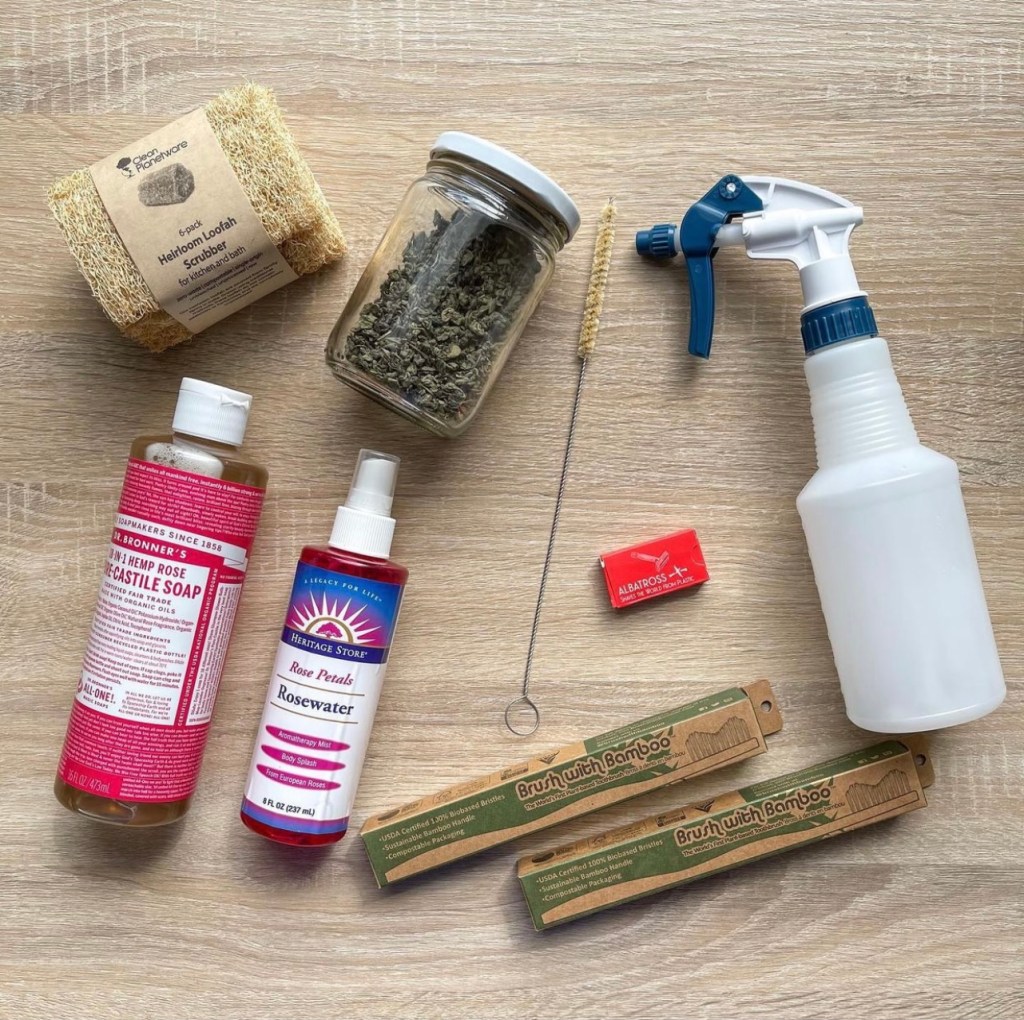
Visiting these places, partaking in clean ups, along with the knowledge she gained from the class, really opened her eyes to how she plays a part in all this collective waste. She started to evaluate the daily waste in her current routine: how she uses water, energy usage, and the products she bought and ate that all came in plastic. Angelina started becoming very conscious of her impact on the planet. She started off small by purchasing low-waste products like reusable cotton rounds and a safety razor, but it wasn’t close to the level she wanted to be at. At the time, Angelina was living with roommates, and found it difficult to maintain a low-waste lifestyle without having her own space. Still, she couldn’t help but be hyper-aware of all the things she could change in her routine in the future.

Even though Angelina couldn’t fully dive into her journey due to lack of space and roommates, she still educated herself on the topic. Even after her “Geography of Garbage” class ended, she would read up on things online to further her knowledge on waste management. Instagram really helped her find alternate items that she could swap in for items that were not eco-friendly. These pages educated her on eco tips, information, and different ways that humans create waste – some we don’t even think twice about or think is detrimental to the environment. Her recent shocking discovery is when she fell into the rabbit hole of the transportation industry – in relation to the supply chain of goods. She had no idea how much the e-commerce industry (buying and selling products or services online) affects the environment. This opened up Pandora’s box of topics: greenhouse gases, unethical / unsustainable products, cheap labor, pollution, etc.

“After learning about a low-waste lifestyle, I started to feel very conscious of my impact on the planet,” Angelina explains after she took the undergraduate class. “It was something I could not unlearn, and I was constantly aware of the waste I was making.”

Angelina’s low-waste journey fully started when she moved to Long Beach in 2019 for graduate school. She was so excited that she and her boyfriend, Dominic, would finally have their own space. This meant that she could finally have the chance to fully start her low-waste journey without any space restrictions. In the beginning, diving into the low-waste lifestyle was slow progress. At times she felt defeated and that the transition seemed nearly impossible. She knows now that a sustainable lifestyle takes time and changing one’s way of living just doesn’t transform over night. This is a lifelong investment, and Angelina admits that to this day, she is still transitioning. Advocating for the planet and environment is something really important to Angelina, and she encourages others to be aware of their impact on the world as well. She believes this is a topic everyone should care about.

“I think it’s important to take care of the Earth and be conscious of our habits effecting our communities,” She explained. “Some anthropogenic habits that negatively change our planet’s climate are, monocrop farming, industrial farming of animals, greenhouse gases, water pollution, deforestation, material waste, etc. Aside from collective human impacts, there are impacts at an individual level as well. Participating in a low-waste lifestyle can help reduce impacts at an individual level. In that, we are all consumers, we all have needs to survive (ex. food, hygiene products, clothes, etc.), but with all these needs comes waste. We can still attain these needs by being conscious, for example intaking fewer or zero plastic products, supporting local, supporting ethical and sustainable companies, reusing and repurposing, buying second hand, eating less animal products, buying vegetables at farmers markets to support local farmers, etc. I think others should feel compelled to be more conscious because we should all feel that we need to do our part as an individual to take care of our home. It will not be perfect, but I think at least trying is better than not.”

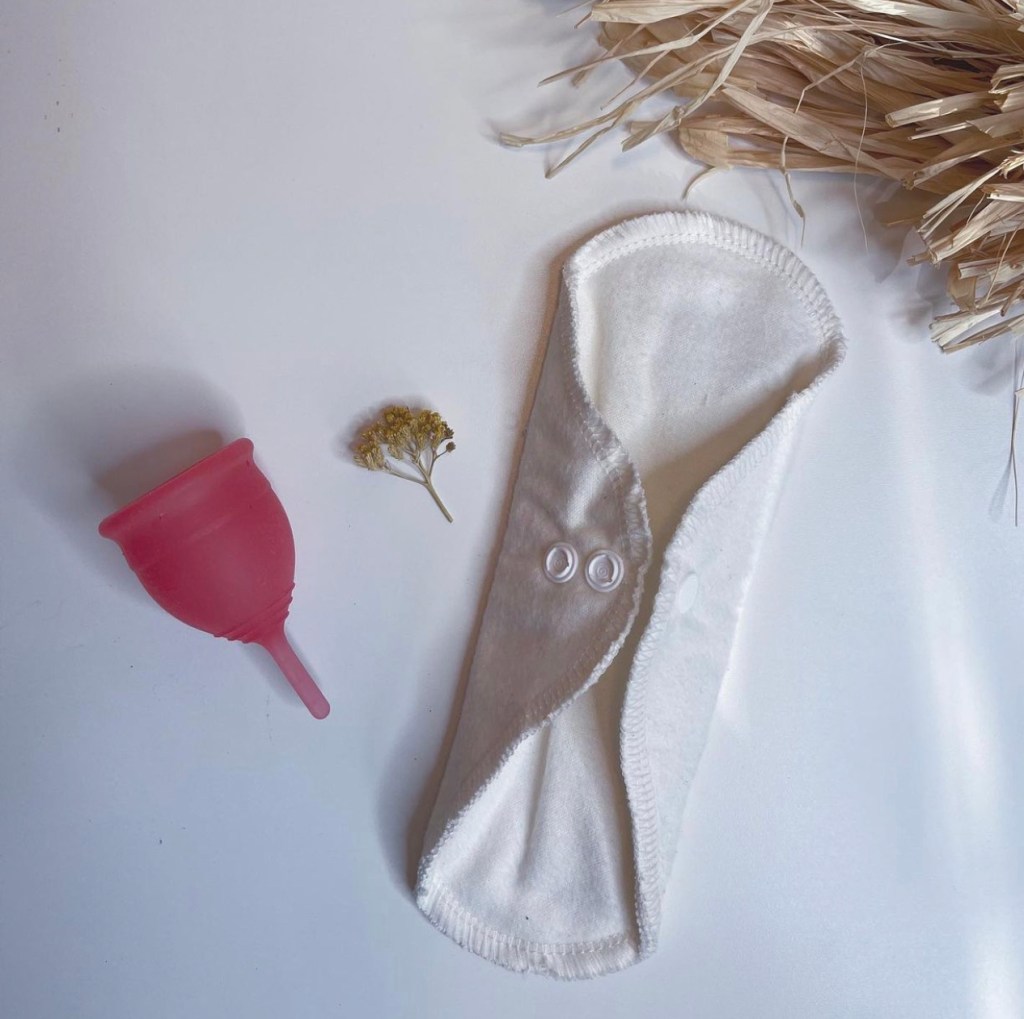
Angelina humbly admits that before her journey, she, like many others, did not think twice about a product’s afterlife. She didn’t give too much thought into what happened to the product once it was used or when she was done with it. Out of sight, out of mind. She educated herself and found that products are only supposed to be used X amount of times and disposed of, and are not meant to be kept “forever.” This forces people to keep re-buying items that are only good for a couple of uses – like paper towels, pads, and plastic bottles and containers to name a few. This forces consumers to buy one-time use products because it is easily accessible and more convenient. Because of this supply chain, Angelina found it difficult at first to break the cycle and switch to ethical and sustainable products.

Her most challenging hurdle was finding non-toxic cleaning products. She would try different DIY concoctions, but some didn’t work for her. There were times she would have to go back to the cleaning products she was used to and would have mixed emotions about flip flopping back. But she knows that with trial and error she will eventually find a cleaning product recipe that will fit her needs and wants. Though that has been a hurdle in itself since COVID. But Angelina has found ways to effectively clean her space with products that she approves of. She makes her own foam soap by mixing together castile soap, water, fractioned coconut oil, and essential oils. She uses castile soap and water mixture to wipe down all of her areas. She uses alcohol on a reusable cotton pad to wipe down her phone. These are minor changes to her cleaning routine, but finding the right products and the research behind can either be a hit or miss.

As much as possible, Angelina and Dominic try to buy their fruits, vegetables, and the occasional sauces, juices, and bread from local farmer’s markets. They make the conscious effort to buy from local farmers so they can help support their businesses, even though these are items that the couple can get from a local grocery store. Currently, Angelina is working from home so throughout the week she isn’t going out much. But when it’s the weekend, she does use her car to get from point A to point B. She would prefer to use a bike, but given that her bike is more of a cruiser bike instead of a commuter bike, and that she’s not the best biker, she decided to trade in her car for a more sustainable option. She is not able to get an electrical vehicle just yet, but taking the step to get a more sustainable car option is lessening her impact. Though their grocery shopping and form of transportation seem like little actions, collectively, these all make a difference.

Recently, Angelina created a map display of refill stations / zero waste stores in California that could be found by clicking the link on @thelowwastegal ‘s Instagram bio. She thought of making this map to help others who are interested in finding a refill station near them. Surprisingly, it was easy for Angelina to find these types of stores with simple research. She has found that refill stations and zero waste stores seem to be more easily accessible in urban areas. With COVID restrictions easing, Angelina is happy to get back into the routine of visiting her favorite refill stations. She feels at ease knowing that she is repurposing old containers and avoiding purchases that contain plastic.

Reducing, reusing, and recycling items doesn’t just apply to household items. It has also translated in Angelina’s closet. When she first started her low-waste journey, she refused to buy any new clothes. She tried her best to buy secondhand or hand-me-downs. When she couldn’t find anything at a thrift shop, she just wouldn’t shop for clothes at all. Of course, she would have to come up with a solution that didn’t leave her feeling guilty. For her, and many others that thrift, it can be really difficult to solely rely on thrifting especially when you’re looking for a very specific item. Sometimes it’s a hit or miss, and you never know what the selection will be. When Angelina would look for specific clothing items and they weren’t available at secondhand stores, she would cave in and buy them new. She would feel so conflicted with buying new clothing that she would reduce the number of new items she purchased – one item here, one item there. Now that she has been in the low-waste journey for some time, she has now found her middle ground – if she can’t find a specific item second hand and has to buy it new, she will try to purchase the new items from local and small businesses.

Angelina has made changes all the way from her cleaning products, to where she buys her food, how she uses transportation, switching up her household items, changing the way she shops for clothing, all the way down to her feminine products. Yes, you read that right. And Angelina is not ashamed to speak on it – she wants to share as much information as she can so she can help others who are thinking about low-waste period products. Back in the day, she would describe herself as a “pad girl,” when on her period. So you can totally understand why she had some apprehension about the period cup since it is larger than a tampon. Surprisingly, Angelina didn’t mind the period cup. It’s definitely something she had to get used to, but after a while, she became a pro at using it, and she loves that it is a reusable item. She has also tried the reusable pad and has recently purchased period underwear which she hopes to review soon. She confesses that even she second guessed the reusable pad, with fears that the product wouldn’t be sanitary.

“Before trying out the reusable pad, I thought I wouldn’t like it and that it would be too unsanitary, but it’s the same as using a disposable pad, except you just wash after each use,” She explained. “When you need to change your pad, unclip the pad, spray stain remover, allow stain remover to sit in and then rinse, then wash with laundry. Although if you’re out, some will come with a baggie, which allows you to deal with it later. I just recently bought my second pad, it will take some time to purchase a couple since they are about the same price as a box of disposable pads, but once you have them you no longer need to keep buying.”

This is all information that Angelina publicly shares on her low-waste journey Instagram account, @thelowwastegal. She has been so open and transparent about her journey, but had to grow the courage to get to this point. She was very hesitant to start an Instagram page separate from her personal account because she was basically back to square one. At the start of the pandemic, Angelina had to put a pause on her low-waste journey, backtracking her progress, and in turn, resulted in her creating more waste prior to when she started her journey.

“As things began to get back to normal, I was able to re-introduce some low-waste habits again, and I then started my Instagram account at the beginning of 2021,” Angelina recalls. “I also felt very new to the low-waste lifestyle and I barely had begun a year prior to the pandemic. With the pandemic, a lot of my low-waste habits had to stop due to safety concerns. For example: not being able to bring your own produce and grocery bags, no more bulk section, a lot of one-use cutlery and dishware when eating out, etc. Even though feeling new to the lifestyle I reassured myself that this does not happen overnight, you will not be perfect – progress over perfection – and you will get to educate and inspire others along your journey.”

Her main goal is to help educate others on realistic sustainable changes. Especially since she felt as though she was back at the “beginner” stage again after almost a year of the pandemic, she knows how overwhelming everything can be when you decide to take that first step. In the beginning, it is easy to compare yourself to others who are creating no trash, and it can be a little discouraging. Angelina prides herself on being transparent about her journey with her followers so they can see that it’s okay not to fully transition right away. Also, she wants to share her tricks and tips, as well as what she has found that works for her thus far. Angelina hopes her page makes it easier for others to just start.

@thelowwastegal page is helping keep Angelina accountable. Having a public low-waste page encourages her to keep going with her own personal journey so she can spread that knowledge that can help someone else. However, there are times where she feels pressured to be perfect in her waste management and create zero waste, but it is at these times that she has to quickly remind herself that she is not perfect. All that matters is she’s trying her best, and will eventually turn into a pro, but at her own pace. She knows that she will get there one day, and thinks it’s important to share those little hiccups online because people can relate in not being perfect.

Angelina’s content on @thelowwastegal’s Instagram page is inspired by her everyday normal activities and chores. That’s part of the reason why starting a low-waste lifestyle can be difficult to start – it applies to everything you do on a day to day basis. Because of this, Angelina will share her cleaning products, what she uses for her hair, face, laundry, etc. Her most popular posts are the ones focused on doing groceries. Sometimes it can be a little challenging to come up with new content to post, but she gets a sense of what interests her followers when they interact with her.

Her posts are very intimate, and just by watching, you feel like you get to know Angelina on a personal level. She has received so much positive feedback, and she’s so grateful that her followers are reaching out and connecting with her. Recently, she’s been getting a lot of questions about the period underwear, and she hopes to make a post on her honest opinions and experience with it soon. She absolutely loves getting feedback and questions from her followers because she feels like she’s helping someone transition to a low-waste / zero waste product. Through @thelowwastegal account, Angelina has interreacted with many like-minded individuals and has found a spot in the low-waste community. Whether it be online, or in person at refill stations, community composting gardens, or other events.

Not only is she helping people through social media, but those around her are starting to change their habits for the better as well. She is extremely grateful for her boyfriend’s support. If Dominic wasn’t on board with the transition, Angelina believes that she would not be able to move forward with a low-waste lifestyle solo because they share a life, living spaces, and products. It has been more of a learning curve for Dominic, but Angelina loves his willingness to keep trying and to be there to encourage her to continue. Other members of the family are willing to try different things as well. When Angelina’s mom visited them, they took her to a refill/ zero waste store. Her mom took her advice to try out reusable cotton rounds, and Angelina was ecstatic. To others, it might seem like a little change, but to Angelina it was a big deal because it is 1 less thing her mom has to toss out and keep purchasing. Dominic’s mom has made it a point to use her compost bin, change out paper towels for reusable towels, recycle more often, and regrow her veggies. This gave Angelina the idea to do the same! Her aunt, who is very resourceful, started to make her own cotton rounds an reusable toilet paper. These small – but impactful- changes that her family and those close to her are making warms her heart.

Angelina’s low-waste journey has not been linear. She has had her fair share of ups and downs, feeling defeated, and overburdened with guilt. Feeling guilty is still something that Angelina is working on. She feels as though she’s at the stage in her journey where she is trying to manage her guilty feelings. On one hand she wants to take accountability so she can do better, but on the other hand, she knows that she is not at an expert level, and backtracking and some mistakes will occur. And that’s okay. Instead of trying to make herself feel bad about making waste, she tries to think of ways in the future that these incidents can be avoided.

I think acknowledging my decisions helps me out a lot, because instead of trying to ignore my guilt or what I considered myself to be doing ‘wrong’, I am acknowledging my actions and thinking about ways I can better the situation I am currently in for the future,” She explained. “(Like) eating out and creating so much plastic waste, next time I will bring my own cutlery set, cloth napkin, and reusable straw. I have been struggling with this situation often, so this is my most relevant and recent example.”

She knows that this lifestyle takes some time, space, and money. She has learned that living a low-waste lifestyle calls for keeping random things that you’d usually throw out to save for future low-waste projects and DIYs. However, that takes a lot of space, and their apartment space can be limiting. Still, she is hopeful for her progress in the future, like having plans to one day have her own garden so she can grow her own food, participate in more cleanups, and maybe even one day host a cleanup session.

As her journey continues, Angelina stresses the importance of being 100% transparent to her followers because it shows the realities of her transition. Living a low-waste (and eventually zero waste) lifestyle is never going to be a straightforward journey. She is aware that she has a lot of learning to do, as well as changing old familiar habits. @thelowwastegal account has made it easy for Angelina to showcase her struggles, as well as being openly vulnerable to the public. But she loves that others out there can connect with her story and journey because they might be feeling down on themselves as well. When you’re feeling guilty and frustrated with backtracking on your progress, it is nice to know that there are others that are going through the same thing, and that you’re not alone. She wants to create a space that is realistic for the vast majority of people who are new to this lifestyle. Since she is at the the transitional stage – no longer a beginner, but also not an expert – she believes sharing her findings will benefit those who are just beginning.

I would just like to end with a quote: ‘Little impacts from one person, turn into big impacts, collectively’(from @thelowwastegal),” Angelina said. “It is important to recognize how big of an impact you have and changing habits can have a positive impact on the planet. You may feel like just one person, but you can inspire another person, which can turn into a collective effort.”

Last Year

Every first of the month, I stalk Susan Miller’s Twitter to see if she posted her monthly horoscopes. May 1st was no different. I went on and read about my Aquarius horoscope for the month of May. I paused. Wait, MAY?! It’s crazy to me how we are already in the month of May, and I can’t help but feel like this pandemic is speeding up and slowing down time simultaneously. To me at least, it’s like ever since March 2020, the months are just bleeding into each other, and all sense of time is completely fucked up. The pandemic has been around for such an extended period of time that pre-COVID life seems like ages ago.

I couldn’t believe that it’s May 2021 already. Not in the actual sense – given that I don’t live under a rock – but it’s crazy to me how fast time is flying, and how much things have changed. It made me think back to this time last year, and I realized that it is the anniversary of when my life drastically changed. To those that have kept up with my journey, I bet you’re like “omg, girl, you moved out, calm down.” To others, moving out is something exciting. For me, it was one of the most stressful moments of my life to date. Sounds dramatic but it’s true.

Around this time last year I got an incredible once in a lifetime opportunity to move out of my parents’ place. It was the end of April when this opportunity was brought to my attention, and little did I know that for the next 2 and a half months, I would be in a constant state of stress. This opportunity would give me the privilege to start saving money, live in expensive ass San Francisco, and take the next step in my relationship – but it also gave me headaches and countless sleepless nights. From the end of April 2020 – July 2020, this decision weighed heavy on my mind 24/7.

At that time, I just wanted to look into the future. I wanted to channel my inner “That’s So Raven,” and see what my outcome would be. I was so mentally stuck and conflicted that I didn’t know how to go about my life anymore. I was put in a position where whatever decision I chose, whether I accepted or denied, my life would drastically change either way. I was so stressed out. I feared change and didn’t want to mess up my family dynamic, but at the same time I was so curious to know what life would be like if I accepted the opportunity. There were pros and cons to both decision, and I was caught between a rock and a hard place. I begged the universe, my ancestors that have passed away, God – anybody or anything – to give me a sign on what the fuck to do with my life.

One of the months while I was in silent mental torture, I read my horoscope forecast for the new month. I can’t remember which month it was, but I remember reading it in awe. My horoscope basically described that I was going to be put in a position where I had to make a big decision. Now here me out, I love reading my horoscopes. It’s something that I think is fun to read and feeds my curiosity of the universe, future, and my life. But I don’t make big decisions in my life based on what my horoscope says. At this time though, I wanted a sign. I read my horoscope by Susan Miller, and not only did the whole thing seem very relevant to my life and my current scenario at the time – it seemed creepily spot on. It said I was going to have to make a tough decision, but whatever decision I chose, I could never go back to how life was before. Susan Miller described this transition like as if I were crossing a bridge, and that bridge falling apart right after I made it to the other side. Meaning, I was moving forward with my life, and whatever decision I made could not be undone. She also mentioned how I would make a commitment for at least 2 years – which tripped me the fuck out because the deal that was on the table required at least a 2 year agreement. I was shook. The universe doesn’t lie.

However, I didn’t make the decision I made because my horoscope was spot on at the time. But I do think of my mindset one year ago, and how I so desperately wanted to know what life would be like if I chose either decision – to move or not to move. It’s like I wanted a crystal ball to help me see what was the “right choice.” A year ago, I was so stressed out and really felt like I couldn’t see the bright light at the end of the tunnel. I felt like no matter what I chose, someone would be upset or disappointed with me. Fast forward to now, the present day, I look back and think damn, 1 decisions really changed my whole ass life. And here I am now, 1 year later, in a totally different headspace, happy with my choices, and growing as a person. It’s crazy what time can do. It’s true that 6 months, 1 year, 2 years, etc. – your life can drastically change. I kind of chuckle at how stressed I was a year ago – not because it’s funny, but because I should’ve known I’d be just fine. I’m exactly where I need to be.

Family Traditions

What’s one family tradition you’d like to carry on in the future

When I was younger, my family and I had plenty of traditions, and I’ve always wanted to uphold all of them for my future family and kids. From meeting for Sunday lunch at Mama’s house after 1 o’clock mass on my mom’s side, to opening presents right at midnight on my dad’s side, these are all little traditions that I remember as a kid. As us cousins and kids got older though, the traditions started to change as well. Meeting weekly became hard given people’s changing schedules, availability, etc. Waiting until midnight to open presents got harder to do since the adults were getting older and struggling to stay awake, as well as the kids being so young that staying up until midnight was more of a hassle than a treasured tradition. Like everything in life, things change.

Especially with big families, it can be difficult to get everyone on the same page. Everyone’s schedule is all fucked up, other priorities, some just don’t end up coming, people move or live far away, and with time, everyone just kind of branches out and does their own thing as their own little families expand. Major holidays and gatherings like Thanksgiving, Christmas, Tatay Jacinto’s birthday, Mama and Tatay Celso’s death anniversaries, are all days out of the year that are basically mandatory for my family. Those are the holidays that I take seriously and know that I can’t miss. As I get older, in the back of my mind I’m thinking of how I’m going to celebrate holidays with my kids. I quickly realize that my family events and holidays will be something that I have to thoroughly plan out as well, because I’ll have a whole other side and family that also celebrate those holidays.

I think back to pre-COVID, when my older cousins with kids have to leave some holiday parties early to make it to their in-law’s side. Some alternate year to year what holiday they will spend with which side. The compromise of divvying out holidays is something I know is in my near future, especially since I do have plans on having a family of my own one day. To be honest, it’s kind of foolish of me to previously think that every single tradition I had growing up would be continued when the time comes for me to have a family. But, a girl could dream. I came to the unpleasant realization that I can’t uphold all of those traditions – but that’s okay.

But one tradition that I would like to carry on in the future is celebrating “death anniversaries” for family members who have passed on. This is a tradition that my mom’s side upholds. For outsiders, it may be a little weird to celebrate the day when somebody died, but for us, it’s a reminder of the departed’s life. It’s a time to pray for your loved one’s soul that they continue to rest in peace on the anniversary of their passing. Growing up Catholic, anything surrounding death usually involves prayer. Given people’s differences in religion, and my own beliefs on religion, I would take this tradition and tweak a few things – turning it into a celebration of life, either on the death anniversary, or the birthday of the departed, maybe even both days.

This is something that my mom’s side practiced since I was a little kid. My mom’s eldest brother passed away before I was even born, but I have fond memories of us praying for him and having a bigger than normal Sunday lunch to celebrate. The painted portrait of Uncle Rolly was displayed every death anniversary. They would light candles and gather in the Livingroom of Mama’s house to begin the rosary. Even though I never knew who he was or got the privilege to meet him, I knew of him because we celebrated him and remembered him on his death anniversary.

Mama would orchestrate Uncle Rolly’s death anniversary rosary. And when she and Tatay Celso passed away, we continued the tradition for them. When July 12th and November 10th roll around, I know we are due for a family party. I black out that weekend because I know we will be celebrating with a family gathering and prayer service, no question about it. Because everyone is off doing their own thing, this is the 1-3 times out of the year we are all guaranteed to be together as a family to remember a family member who is no longer with us. It gives the family time to catch up, bond, and see each other. If nobody told you it was a death anniversary party, you would think it’s somebody’s party. And that’s basically what it is – a huge party with a lot of food and people.

Celebrating death anniversaries is definitely a tradition I want to continue for future generations to come. I think it’s a beautiful thing to honor someone in the family who is no longer there physically. It gives a chance for the younger children who never knew them, to still get the gist of what the person was like through stories and memories. It takes a sad memory – for those who remember – and turns it into a celebration of life and good times for the people who are still around. Even if this tradition evolves over time and eventually turns into a dinner at a restaurant instead of one of the siblings hosting it at their house, it is still the same concept of celebrating and remembering someone who has passed on.

That’s something that is very important to me – letting my future children know of their relatives that have passed on that played a big part in their parents’ lives. I’m really big on family history, and making sure that nobody is forgotten. Celebrating someone’s birthday or death anniversary is also a great way to cope the loss of someone important in your life, even if it is years after the fact. For my Mama and Tatay Celso, we celebrated every year until COVID hit. Even the random 2-9 year death anniversaries, because we want to remember and we want to keep their memory alive, letting them know that even though they’re not here physically anymore, we still celebrate and remember them. It’s super important to me for my future children to know their lineage and know where they came from, who were the people that helped raised me, and how we remember and honor those that came before us.

How Do You Go About Dropping a Friendship?

Recently, I caught up with a dear friend of mine over the phone. They updated me about their life, career choices, dreams, aspirations, the whole run down. I love that feeling of reconnecting, even though we send memes throughout the day everyday. You know, you have those designated people and group chats on Instagram that you send your funny content to, political memes, world events, maybe some gossip here and there, and you are fairly close. You’re technically “connected” everyday, but there’s work, different schedules, and life in general – nobody got time to give constant updates every time. So it felt good to catch up and talk about our lives and dilemmas. We got on the topic of friendships, loyalty, and letting friendships go that are toxic or drama-filled. We are usually on the same page, but we had opposing views on some aspects.

“You should write about this on your blog,” they said as we wrapped up the topic of cutting off friends, “Like, To All the Boys I’ve Loved Before, but friendship edition!”

“Oh my god, yeah, I might just,” I said, even though I had never watched it. But, I got the gist. This is actually a topic I wanted to write about for some time, but was always hesitant because I didn’t want anyone to think I was @-ing them. But I mean, if the shoe fits…

Friendship breakups are so under-rated. Sometimes, it’s equivalent to a romantic break up because you can feel betrayed, hurt, taken advantage of, and conflicted about things ending. Unlike a romantic breakup though, we don’t really think of the possibility that things can end in a platonic friendship. It can be blindsiding, emotional, and a difficult decision to make. Other times, it’s as clear as day that the friendship needs to end, but just because what needs to be done is clear, doesn’t mean it’s easy to do. It can be very confusing as well if you’re on the receiving end of the cut off.

This phone call led to this question: How do you go about ending a friendship?

My friend vented about their current situation with a former friend. Long story short, my friend was on the receiving end of being cut off, but for no apparent or obvious reason. I’m very neutral and would tell my friend straight up if they messed up, as they shared all the possibilities of why the friendship could’ve ended. But, I honestly couldn’t figure it out. It seemed like it was a 1 way argument, but without the arguing and communication. Only that person knew why they cut off my friend, but never communicated any prior frustration or conflict. Throughout the phone call, my friend kept bringing up how they wished this former friend would just communicate what was bothering them, instead of just ending the friendship with no clear reason.

I agreed that it was weird for their former friend to just stop talking to them and cut them off. Especially since the former friend didn’t communicate anything that would even hint towards frustration or being upset. In fact, the former friend would just gossip to other people, and it got back to my friend, and only then did they find out why they were cut off, but still not having a definite answer coming from the source. It’s like the other person withheld information purposely so my friend could wonder what was going on, and decided to gossip about it and be fake in person. That’s what I thought was weird. It’s one thing to just drop someone without any context. But it’s another thing to drop them, talk shit about them, but still hangout and act like everything is cool in group settings.

“Yeah, that’s some weirdo shit,” I told my friend.

My friend wished they were aware of what they “did wrong,” so they could address it, communicate about it, patch up the friendship, and move on. They believed that it was weird that some people really suck that much at communication and would rather throw away a friendship than openly communicate about what bothered them. We got on the topic of “keeping it real,” with our friends, and went over the different scenarios and instances where we would have to check certain friends in the past. We both agreed that we had no problem checking friends when they’re in the wrong or doing something we don’t agree with. I agreed that in this specific instance, the friendship they lost was probably for the best since it seemed like the other person was pretty fake and liked to play that high school shit. You know, when you find out “your friend” is talking about you behind your back but acting tight to your face – the shit we’re clearly too old for.

But the more I thought about it, the more I realized that in some instances, I was that friend – minus the acting cool to your face. In this specific instance – yes, I felt the one who ended the friendship should’ve communicated something to my friend. But I noticed in general, when I’m cutting someone off, I rarely give a reason why too. There has been very few friendships I’ve had that ended badly. But at the same time there are some friendships I’ve had that ended with obvious fights that resulted in the termination of said friendships. But for the most part, I’m the Homer Simpson meme disappearing into the bushes. My only difference from my friend’s former friend is that I don’t play it fake. You’ll know where I stand.

“Really?! That’s sooo weirdddd!” My friend said when I made this revelation.

I explained my reasoning. For me, when there is a clear fall out and fight, obviously I’ll communicate my side, say my peace, and if I can’t patch it up from there with time, then I just cut it off. But as much as possible, I try to avoid bitter endings with former friends. To be honest, there have been very few occasions where I had to tell off a friend right before I snip them. Very rarely will I be so done with someone that we fight about something for a prolonged period of time to the point where I don’t think I can continue with the friendship. If the friendship is worth it, and there is respectful communication, then I don’t cut people off. I don’t think I’ve had too many situations like that where the friendship was so over that I cut them off, deleted them off social media, blocked them, deleted their number, etc. It ain’t that serious.

I’m open with all of my friends and tell them how it is. But when I start to notice patterns in friendships and in their character, I just take a mental note. Especially if that friend did nothing to me personally to make me mad or question the friendship, it wouldn’t seem right to call someone out on their character and decisions when it isn’t directed towards me. If it comes up in conversation or if they ask for my opinion, obviously I’ll say my peace, but when I notice patterns like selfishness, being untrustworthy, and things of that nature, I just observe and remember for future reference. There is power in silence, and power in moving differently towards them when you see them for who they are. But there’s no reason to end on bad terms.

And at that point, there is no point to bring up or confront people when you realize you don’t want to surround yourself with friends that move like them. To me at least, there’s no point to let it be known that, “hey, I see through your actions that you’re actually not someone I want to associate with.” It’s a waste of time especially if that person is living the life that they want to. It just doesn’t make sense to me to call someone out on their character flaws if I already made my decision in letting the friendship gracefully drift. I don’t want any tension, especially if there is no specific fall out that made me want to end the friendship. Nowadays, I noticed that I just distance myself from people I no longer want a friendship with. Not because they did something to me, but because I notice traits and habits that I don’t want in a friend. No bad blood, no hard feelings, no big fight to make the cut off official – just a mutual understanding that the friendship has drifted.

Friendship break ups can definitely hurt. Sometimes there’s obvious reasons why it ended, and sometimes there isn’t. I realize that my explanation for silence and distancing myself can be the same explanation my friend’s former friend had. Sometimes you can talk it out, and sometimes you will be returned with radio silence, so I guess to each their own. For me, I think silence and being cordial is the best way to go about it especially if they did nothing wrong to you personally and you just come to the realization that you just don’t want to fuck with them like that. However, if there is a specific problem or event that led to me feeling some type of way, I’d definitely communicate it to a friend before I start distancing myself.

Because let’s be real, in this cut off culture, anyone and everyone gets triggered and will snip you and broadcast why all over social media. It doesn’t have to be like that. Handling friendship breakups with class is key. But friendship break up’s shouldn’t be the answer to everything. That’s always a red flag to me, when people rotate their friends like the seasons, and have countless fall outs with a lot of former friends. At that point, you really got to sit and look at the bigger picture – who is the common factor. Some friendships can turn toxic real fast, and it’s okay to gracefully leave a friendship.

And just because the friendship is over, doesn’t mean all the great memories are now soured. That is what I took away from that phone call that night. When friendships end, it’s okay to look back and reminisce and be a little sad about the good times. Those memories don’t have to be ruined because the friendship is over. It’s okay to gather your information and realize that you guys don’t see eye to eye on certain things. And it’s okay to let the friendship naturally drift without conflict.

How do you go about dropping a friendship?

Anti-Vax to Fully Vaccinated

I walk through Moscone Center’s doors and I am happily greeted by the staff every step of the way. It’s not crowded and doesn’t look all over the place. In fact, everything is so organized and in order. For some reason I expected chaos, long lines, and spending a good chunk of time there. But from the long row of check-in booths, to the stickers on the floor that tell you what direction to go in, to the sitting area where you wait with 2 big clocks on each side, everything was planned out accordingly and in a very efficient way. Each of my visits for the 1st and 2nd dose, I was in and out in less than 20 minutes.

When I entered Moscone Center, for just a second, I forgot I was on my way to get a dose of the vaccine. I expected the vibe to be serious, but I was surprised to find a light-hearted, welcoming, and joyous atmosphere inside. Workers were dancing happily to the music while escorting you to the next step. I don’t know what I was expecting, but I was pleasantly surprised with how this vaccine site was operating. Even more so surprised with myself, since I never expected myself to be so eager to take a vaccine.

I’m the type of person that only visits the doctor’s when I absolutely have to. That’s just how I was raised to look at the hospital – you don’t go unless it’s a must, if it’s not that serious, you treat that shit at home and drink water. I would go for the necessary documentation, like if I needed a TB shot for work. I have all the vaccines that I needed to go to school, but if it’s not required, I wouldn’t take it. So when COVID happened last year and talks of a vaccine started circulating, I was dead set on not taking it once it was available.

Like many others, I just didn’t trust putting foreign things in my body. Trust is a big reason why people refuse to take the vaccine. There’s a distrust in the medical field, in doctor’s advice, and how this pandemic is being handled in general. There’s just so much opinions and beliefs that all point to people not trusting the vaccine. And I totally get it. But being in the pandemic for over a year and seeing what effects it had on people, businesses, and people’s every day lives, it really made me reconsider.

I can only speak from my own experiences, and I know at the end of the day everyone is entitled to their own opinions and are in control of their own bodies. But the last year alone has really changed my perspective on the medical field and people in general. This pandemic brought out the good, the bad, and the ugly out of people. For me personally, COVID really showed me who took the guidelines seriously, and who was just out for themselves, acting selfishly for their own pleasure and not for the safety of others and those around them. I found myself so conflicted with trying to keep myself safe, my family safe, but still trying to keep peace of mind. It was so hard not seeing my friends for a long time, and nothing to do but stay home, watch the news, and be fearful of what’s spreading.

From mid-March until June 2020, I woke up everyday and had the same routine. I would anxiously watch the news, seeing cases rising in California, and seeing the effects of what COVID had on my community. I watched Gavin Newsom make his speech everyday, his raspy voice calm and collected, while California watched in uncertainty. I got used to life indoors – not going out to eat to meet up with friends, wearing masks, not seeing people I regularly saw before, and so forth. When we first shutdown in March 2020, I never would’ve thought that over a year later, we would be in a similar spot. I had no idea that life would still be like this in 2021. When news of the vaccine distribution started going around, I was totally against it. I wasn’t in the first tier, so it didn’t really matter if I wanted it or not, it would still be a long way until I could even make that decision.

Initially, I was against the vaccine, but didn’t really have solid reasons why. For some reason, I believed that more people would be against the vaccine than being for it. To my surprise, it seemed the opposite. I had some time to think about whether or not I wanted the vaccine since I’m a childcare worker. I definitely wanted to wait a while first to see how people reacted to the vaccine before I decided if I wanted it or not. To my surprise, my older relatives got the vaccine. Most importantly, my 97 year old Tatay got it. That really made me change my mind. I wanted things to go back to normal so bad, and finally, the vaccine was that hope for me.

At first, I wanted nothing to do with the vaccine. But the more I thought about it, the more I realized that I would be a hypocrite if I didn’t get vaccinated. Since the beginning, I took the pandemic seriously. I follow the rules, I wear a mask, I keep my distance, I trust the doctors’ opinions, but also know that this pandemic is something new to everyone – they’re not always going to be right, so I keep cautious anyways. I despised people that refused to wear masks, not follow the rules, and make a commotion because they feel that staying inside is taking away their rights. I was tired of everyone being only about themselves and being selfish – helping to spread the virus around because of their own selfishness and carelessness. Though in the beginning I was anti-COVID vaccination, I came to the conclusion that if I wanted life to go back to normal, if I want to keep myself and those around me safe, and if I wanted to help end this madness, this is what I needed to do. Not believing in the validity of the vaccine would be contradictory to what I’ve been practicing this whole pandemic – which is being safe, believing in the severity of this virus, and playing my part in reducing the spread.

I didn’t know how bad I wanted the vaccine until I couldn’t get an immediate appointment. When it was finally my tier’s turn to get the vaccine, I was in no rush. I saw that there were a lot of appointments through Moscone Center, but didn’t sign up right away. At that point I knew I wanted the vaccine, but didn’t make it a priority because I was still a little nervous about it. That all changed when I realized Tatay already had his appointments to get vaccinated. I read that people who are fully vaccinated and are not part of the same household could be indoors maskless. Suddenly, I wanted to be fully vaccinated right then and there. I desperately refreshed my phone with no luck, everything was booked. This pandemic has taken a toll on Tatay’s memory. In the 2-5 minute visits that we make to his house every Sunday, he questions why we have masks on. At 97 years old, he is not aware of the pandemic, and it breaks my heart to slowly see him not remember who we are, where he is, or what time frame he’s living in anymore. I’m anticipating the day I can remove my mask at Tatay’s house, hoping that my face triggers his memory, to be able to give him a hug hello and goodbye without feeling anxious about it. And that day draws near as I just got my second dose.

Never in a hundred years did I think that I would be desperate to be vaccinated. I was hesitant because this is all so new. But the more I thought about it, the more I realized that if people back in the day had the same mentality for Chickenpox, Tuberculosis, and all these other diseases that are basically no threat now and not common, we would still be battling those same diseases at an alarming rate right now. Nobody thinks twice on why children need certain vaccines to get into school because they have been a requirement for some time. I believe that’s where the COVID vaccine is headed – it’ll be a required vaccine to get to attend schools, etc. And it only seems like a big deal right now because we are the first wave of people getting it. But with time, herd immunity will kick in, and we will slowly go back to where we were before the pandemic.

The past year has had so much change. People have been isolating themselves, nervous to go out, and worried for their health. For me, getting the vaccine is a glimpse of hope. Not only am I protecting myself, but protecting my family, people I come in contact with, and even the people that don’t want to get the vaccine. I know to each their own – I was anti-COVID vax, but changed my mind. And I know there will be a lot of people who won’t change their mind. But speaking for only me – I chose to believe in science, even if I’m a little uneasy. This year alone has proved that staying home and living the lockdown life works, but isn’t going to rid the world of COVID. I’m optimistic about the future, as I see cases dropping and things scheduling to move up into the next tier.

The sticker board where you can place the sticker they give you with your time stamp on when you can leave 15 minutes after your shot, was near the exit of Moscone Center. I don’t believe it was there when I got my first dose, but noticed it on my way out after my 2nd dose. Seeing this wall reassures me that things are looking up.