“Story 7 of 10.This Body Positivity series is a project I hold dear to my heart. For years, I’ve struggled with my body image, and since reviving this blog, LoveYourzStory, I’ve shared so many of my personal stories, internal battles, and insecurities. This time,Iwanted to hearyour stories. I took to social media and found 9 individuals who were willing to share their body positive journey with not only me, but my readers as well. I collaborated with two Bay Area photographers, Missdirected (Instagram: @missdirected.art) to photograph these amazing people. Missdirected did not photoshop / alter any of the models’ faces or bodies. These stories are entirely written by them and in their own words, because afterall, who can tell their story better than them?”-Marinelle Cabillo, LoveYourzStory
This is Allysa’s story, edited by Marinelle Cabillo, LoveYourzStory:
“Dear Allysa,
I know you hate your body now, and you think you need to have a “perfect body” like you see all over social media. You also feel lost and stuck in your body because you just won’t accept it. You think about your body negatively, but that’s okay. You are going to realize that the “perfect body” comes in different shapes and sizes no matter how much you doubt yourself and the body you’re in. You are too focused on social media’s definition of a “perfect body,” and you keep asking yourself, “why can’t my body be like that.” You grew up thinking like that and it made you think that’s the only body type out there. You’re struggling with looking for clothes that fit you or what you’re comfortable in. You can’t get the clothes you want because you are afraid of what people think of you. You have to get oversized clothes to be comfortable because you don’t want people to make fun of your body.
The question is, “what is the definition of true beauty?” You’ll finally realize that “true beauty” comes in ALL shapes and sizes. Always keep that in mind because your body is beautiful just the way it is.
Your current relationship with food is not the best. You binge eat every 1-2 hours because you are going through anxiety and depression, making you feel stressed out and confused. You think binge eating will help you get through all of the problems you are facing, but it won’t. You’re seeing your body and face changing because you binge eat. It’s to the point where you’re not comfortable taking pictures of yourself because you don’t like how you look. You’re too focused on what your body should be, even though you know it’s not good for you. You’re skipping some meals because you think it will help you lose weight, but it won’t help you mentally or emotionally. Even though food is good, you think you can’t control your eating habits. But the truth is you can control your eating habits if you believe in yourself.
I know you’re going through countless mental breakdowns where you start to doubt yourself – from your body to your future. Your mental breakdowns have made a huge impact on your eating habits. 2018 will be the most traumatic year of your life because you are going to go through depression and anxiety. You will lose yourself mentally, physically, and emotionally. The real reason why you are going through mental breakdowns is because you are still grieving the death of your cousin, who you loved so much. You have a special bond with her & she inspires you to follow your dreams. She is still your light whenever you see her smile or her face. Right now, you can’t accept that she is gone and you feel empty inside because her presence is not with you anymore. But try to remember that she will always be watching over you and you’re doing everything you can to keep her spirit alive.
You just sit and cry when you want to be alone, and think that no one is going to help you. You say, “what am I going to do?” and think no one is going to understand what you’re going through. You keep blaming God for taking your cousin away so soon. But that’s not the case, you know your cousin fought for her life. She was strong & brave after all she had to go through. You’re not comfortable opening up about your mental breakdowns to anyone yet, that’s okay. But keeping your mental breakdowns to yourself is very unhealthy. You will realize that you can’t help yourself unless you have people helping and guiding you through it.
You’re thinking about who you can talk to about your emotional breakdowns. You start to think of who you can trust that will help you, people that have always been there for you, even at your lowest. You’ll turn to your Godsister, Ezra, & your best friend, Janine, because they’re the only ones who have been there for you since the beginning. But how do you tell them? You need someone to be by your side through all of this. Once you reach out to them, they’ll completely uplift you. They tell you that they believe in you, which motivates you to be the best version of yourself. If it wasn’t for them, I don’t know where you’d be. After some time, you’ll finally have motivation and words of wisdom to finally realize that you are worth it and enough to be in this world.
2019 is the year that your life changes. That is the year you focus on yourself. You’ll finally accept who you truly are because you will learn that only you know the real you. So don’t put yourself down just because you don’t like how you look right now. You’ll finally find yourself by changing your eating and exercising habits. You start to journal, where you write about your day and all the things you like about yourself. You’ll start to portion out your food and drink more water. You’ll make working out a daily routine. Losing weight will make you proud of your hard work, it will boost up how you see your body, and you’ll gain confidence. The amazing thing is you did everything for yourself. You’ll start to believe that you are enough.
You’ll get back into dancing, and it’ll make you feel more confident. You’ve been dancing since 15 years old and your dream has always been to be a professional dancer. You stopped dancing at 19 years old because you didn’t like how you performed at a birthday event. Giving up dancing was hard for you because you loved it so much. Dance is how you expressed all of your feelings, but you felt like it was not going to take you anywhere in life. But how would you know? It’s okay to doubt yourself sometimes, but what’s not okay is quitting on yourself and what you love doing. If only you knew that right now, in the present day, you are pursing your dreams in becoming a professional dancer, and you’ll soon move to Los Angeles.
I want to apologize for how I treated you. I’m sorry for not believing in you. I’m sorry for the way I thought about our body- being too focused on what our body “should be,” not what it truly is. You are going to be so proud of the Allysa now, because you have come so far.” -Allysa
“Story 6 of 10.This Body Positivity series is a project I hold dear to my heart. For years, I’ve struggled with my body image, and since reviving this blog, LoveYourzStory, I’ve shared so many of my personal stories, internal battles, and insecurities. This time,Iwanted to hearyour stories. I took to social media and found 9 individuals who were willing to share their body positive journey with not only me, but my readers as well. I collaborated with two Bay Area photographers, Missdirected (Instagram: @missdirected.art) to photograph these amazing people. Missdirected did not photoshop / alter any of the models’ faces or bodies. These stories are entirely written by them and in their own words, because afterall, who can tell their story better than them?”-Marinelle Cabillo, LoveYourzStory
This is Sabrina’s story, written in her own words:
“Today, I’m taking y’all on a journey. The journey of how little Sabrina went from an innocent girl who didn’t have a care in the world, to feeling the pressures of society and succumbing to her inner negative thoughts, and all the struggles and learnings she has gone through in the last 24 years of being in this body. So buckle up and hopefully, this story helps someone out there going through it feel less alone.
Growing up, I always had a turbulent relationship with my body and eating habits. As a baby, I was pretty chubby, but was also a colic baby, meaning I was just a complete nightmare to be around. I would cry all the time and fuss about eating so much to the point that my mom would spend hours trying to get me to eat and had to feed me water with a spoon. I was really out here trying to dehydrate myself. Over the years, I continued to have problems with eating and would need to be force-fed by my parents. At that time, I had really poor eating habits and would waste all the lunches my parents would pack for me.
This all changed though around the age of 8 when my body finally recognized how amazing food tasted and I started to inhale everything in my line of sight. My diet was super unhealthy at this point. I would prefer fast food instead of the home-cooked meals my parents made for me. After school, I would beg my parents to take me to McDonald’s, KFC, or Taco Bell. At McDonald’s, I would order 2 fish filet sandwiches, chicken nuggets, and maybe a diet soda to wash it down, which would all be demolished by me before we even got home.
Around the age of 10, my family had moved to India where we ended up staying for two years during my middle school years. My school at the time offered meals on campus and it was buffet style. We would have so many options for breakfast, lunch, and snacks and no one to supervise us or tell us how much we can or can’t eat. This was literally my dream come true and I happily ate as much as I wanted and didn’t give a care in the world.
However, soon enough, this safe bubble I was in popped. I distinctly remember a specific time when my family and I were in Goa, a beautiful beach city in India, for vacation. I was about 11 years old at the time and was starting to develop into my womanhood – aka grow boobs – and I had no idea what was going on with my body. I was playing in the ocean with my sister with our clothes on and my mom called me to come out of the water. She told me to cover myself or wear another shirt on top since my boobs were very visible under the wet shirt. I remember feeling so ashamed about this and immediately ran back to our hotel room and started crying. At this point, I didn’t even feel comfortable wearing a swimsuit because I knew my body was going through changes, and I felt so so self-conscious. I didn’t know this at the time but this was a significant turning point in how I viewed my body. I would continue to feel bad about my body for many years to come.
As puberty hit me like a freight train, I continued to gain a lot more weight. By this time, we had moved back to California and I was starting high school. I was close to ~150 pounds being a 5’ 6” girl and my relationship with my body grew more turbulent. My doctor told me I was overweight and suggested that I exercise even though I was playing competitive sports at the time. I started comparing my body to other girls in my class and would feel so bad about myself. During track and tennis practice, I would always feel like I didn’t look as “athletic” or as “slim” as other girls in our sports uniforms. I remember hating my tennis uniform because it was a sleeveless top that made me conscious of my arm fat. I would feel bad about eating the bagels that my teammate’s parents would bring for tennis meets. I was envious of the other girls who ate whatever they wanted and their bodies still looked “skinny.” It seemed like they didn’t even have to try to look that way and here I was beating myself up about eating a bagel.
I started to dread going to the pool or the beach because it meant that I had to wear a swimsuit. While other girls were wearing bikinis and feeling super comfortable in their bodies, I still couldn’t even bring myself to wear a one-piece without feeling fat & undesirable. Mainstream media made me feel like the ideal body type was to be skinny and have a flat stomach. I was not skinny nor did I have a flat stomach which made me feel like something was wrong with me, my body, and that I should be doing something to change my body.
This feeling worsened every time I went to a family party and some uncle or aunty would comment on my body. “Oh Sabrina, you look like you gained weight,” or “Sabrina, you are looking better than last time. Looks like you have lost some weight.” These comments made me feel even more insecure, self-conscious, and made me feel like I had to look a certain way to be considered pretty and worthy. Word of advice to anyone who gets unwarranted comments like this from family or friends: fat shaming and skinny shaming is never okay, don’t let them get to your head. It says more about their own insecurities and way of thinking than anything else if the first thing they feel the need to comment on is someone’s physical appearance. It’s such a shallow way of looking at the world.
Of course, I let their comments get to my head. Self-confidence was at an all-time low and my body dysmorphia led me down a very restrictive path. When I was a senior in high school, I decided enough was enough and I was done feeling bad about myself and my body. I decided to go on a very strict low-carb, high protein diet and exercised intensely every day for 45 minutes. I would have some cereal for breakfast, a salad for lunch (probably ~300 calories), maybe an orange (like a small ass cutie) as a snack, and would head to my part-time job after school.
During this time, I was strictly logging everything I ate on My Fitness Pal and was so anal about hitting my daily calorie, and macro count. My body was not getting the nutrition it needed and I started to slowly develop a binge eating disorder. I would have a very light calorie day at school, would go to work in the evening at the accounting firm I was interning at, and try to avoid looking at the table full of food that my coworkers brought.
Eventually, I would succumb to my cravings – cause ya girl was basically starving herself during the day and was so hungry. I would take any food I could get my hands on, go down to the basement at work where I would usually file documents, and gorge myself. I would feel so ashamed for doing this that I would literally make sure no one was near me while I stuffed my face – like I haven’t had food in days. After I finished binge eating, I would usually feel so bad about myself and so physically uncomfortable. I remember one day when it was a particularly bad binge eating episode, I literally sat on the floor with food all around me and sobbed uncontrollably at work. There were days where I would go back home after these episodes and exercise to burn off some calories to make myself feel better. But this never made me feel better since I was 1) so bloated and uncomfortable 2) felt like I ruined all my progress for the day. This would usually end in me breaking down sobbing, feeling more guilt, and ashamed. I would look at my body in the mirror, hate what I saw, and to make myself feel better, I would binge eat again.
This was a very silent struggle that I went through. My parents didn’t know that I was going through this because honestly, I was doing a pretty good job of hiding it. I would always binge either at work or late at night at home once my parents went to sleep. I would be so ashamed of how much I was eating that I would make sure to do it in secret.
It took me a while to realize what was happening and what I was doing to myself. I knew that I was binge eating because of my restrictive diet, but I never made myself throw up after these episodes, so I never labeled it as an “eating disorder.” Boy was I wrong. One day, after a particularly bad binge eating episode, I googled “How do you know you have an eating disorder?” and “How do you recover from binge eating?” This sent me down a rabbit hole until I finally opened my eyes to my reality. If I continued down this path I knew this wouldn’t end well. I dealt with my eating disorder for almost 8 months and that was probably the lowest point in my body journey thus far.
After months of this, I knew I couldn’t live like this any longer. I didn’t feel healthy or comfortable within my own body and I hated feeling so superficial about myself. I started to be honest with myself about what I was doing to my body and how destructive my mindset was. The summer before my freshman year of college was when I found the plant-based community and started watching documentaries like “Coswspiracy” and “Forks over knives” and read books like “The China Study” and “The Starch Solution” (highly recommend). I instantly gave up meat after bawling throughout those documentaries. I learned about the environmental impacts of the animal and dairy industry and realized I had to make a change. I also loved how in the plant-based community, there was a focus on eating nutritious whole foods and not restricting the number of calories you ate. I was vegan for the first 2 years of college, transitioned into vegetarianism after, and am currently trying to go vegan again.
During this time, I also came across the concept of intuitive eating which is essentially eating when you’re hungry and stopping when you’re full. Sounds easy enough right? But if you have ever struggled with an eating disorder or even followed any diet rules you know this isn’t so easy in practice. Since I had restricted certain foods and had binge-eating tendencies, my body was so out of touch with its natural hunger cues. Psychologically, I needed time to get over the diet culture mindset. It took me about 4 months to get to a point where I could stop counting calories and feel comfortable with eating whatever I wanted and however much I wanted.
During this period, my focus changed from losing weight to listening to my body. I worked on shedding all of this conditioning I had about food, diet, and my ideal body. I was finally eating intuitively. What helped me during this time was to ditch the calorie-tracking apps and unfollowing any accounts that were promoting a certain body type.
In college, my body continued to go through many changes. I gained the infamous Freshman 15 (more like Freshman 25 in my case), and didn’t exercise consistently the first two years. That was the first time since my childhood where I felt liberated and unrestricted. I didn’t care as much about being a certain weight or looking a certain way, and I let myself eat freely without limits (with the only limit being that I was vegan but that didn’t stop me from finding the wonderful world of vegan junk food).
Of course, this liberating feeling didn’t last long. I started to feel bad about all my weight gain and started beating myself up for letting it get this far. I would try to go to the gym to do cardio or a group class but never stayed consistent and felt demotivated by all the strength and stamina I had lost. The summer before my junior year, I discovered the weightlifting community and loved the focus on gaining strength & building muscle vs. losing weight and having a skinny figure. This was a huge mindset shift for me in how I viewed exercise. Prior to this, I always saw exercise as something I had to do to burn calories and lose weight. Weightlifting completely reframed that for me, and now I wanted to lift so that I could gain strength and see my progress.
As I continued to weightlift throughout my junior year, I started eating more since I was hungry and wanted to gain muscle. I started to see how food is actually fuel that would help me get stronger and build muscles vs. something that I had to limit and keep track of. The last two years of college were probably the most comfortable and proud I felt of my body. I worked really hard to gain strength and shed past conditionings of restrictive eating. I felt like I finally arrived at a place where I could feel confident in my body and love what I saw when I looked in the mirror.
Now, don’t get it twisted. I’m not saying I’m suddenly happy in my skin or that I never have destructive thoughts about my body. I still look at the mirror and focus on the “flabby” or “unflattering” parts. I still pinch the fat on my stomach, arms and back and wish it wasn’t there. I still have moments of low self-esteem. I still look at the mirror sometimes and am not happy with what I see.
The media makes us believe that diet culture is so mainstream and that everyone needs to adhere to these strict ways of eating to look a certain way. It’s truly scary how ingrained this is in our culture, how often it is practiced and seen as normal. The staggering truth is that the diet industry is a $60 billion/ year industry. We are constantly being pitched something that makes us believe we need to lose weight – a fitness program, celebrities promoting weight loss pills, brands selling clothes that only fit a certain body type, etc. It’s hard to not fall into the trap of thinking that we need to change our bodies when all we see online is eurocentric beauty standards and a lack of representation.
Since the pandemic started, my whole workout routine has completely gone out the window. Without a gym, I’ve been struggling to stay motivated to do at-home workouts. I have lost all the muscle mass I worked so hard to build in the last few years and have beaten myself up for not working out consistently. I have slipped back into feelings of low self-worth and have had moments where I’ve been critical of my body in the past year. Whenever I have these moments, I remind myself that this is MY body and the only body I will ever have. It’s a privilege to have this body and I have to honor and love it at all stages. I spend extra time on self-care and self-love practices that help me get out of that negative headspace and allow me to focus inward instead of outward. Taking time for gratitude has been essential and I thank my body for being my vessel on this earth and allowing me to have all these dope experiences. This has allowed me to be comfortable with accepting myself the way I am in this present moment.
If I could go back and talk to my younger self, I would hug her and tell her that she is beautiful and loved just the way she is. I would tell her that your weight doesn’t define your worth. Diet culture is a load of bullshit and you should never try to conform to something you see on the internet. Food is meant to be enjoyed and life is meant to be unrestrictive. I would tell her that criticizing your body for years hasn’t helped you at all so why don’t you try accepting yourself and see what happens.
As a society, we are conditioned to think that we need to look a certain way to feel happy and confident in ourselves. The media feeds into this thinking and makes us feel like we’re less than and/or not beautiful just the way we are. If you’re reading this and have been through or currently going through something similar, just know you are amazing just the way you are, and fuck society’s nonsense. Don’t value your body over your being. No one can take that away from you and you have so much more power and agency than you realize. Everyone has body issues, even those you idolize. When you come to realize that everybody deals with body image issues in their own way – even the people you might consider as flawless – then you can start to accept yourself just the way you are. We are all different shapes, and sizes, and that’s what makes each one of us unique and this should be celebrated. There is no one else like you. We only have one life to live and one body so we must take care of our home & nourish it with love, kindness, and empathy. I want to share my story with others because I know I am not alone in how I feel about my body. We need to speak to one another and shed ourselves of the programming society has instilled in us. The more we do this the more we can feel liberated and closer to our truth.” -Sabrina
“Story 5 of 10.This Body Positivity series is a project I hold dear to my heart. For years, I’ve struggled with my body image, and since reviving this blog, LoveYourzStory, I’ve shared so many of my personal stories, internal battles, and insecurities. This time,Iwanted to hearyour stories. I took to social media and found 9 individuals who were willing to share their body positive journey with not only me, but my readers as well. I collaborated with two Bay Area photographers, Missdirected (Instagram: @missdirected.art) to photograph these amazing people. Missdirected did not photoshop / alter any of the models’ faces or bodies. These stories are entirely written by them and in their own words, because afterall, who can tell their story better than them?”-Marinelle Cabillo, LoveYourzStory
This is Rohit’s story, written in his own words:
“My Weight Gain & Loss Story
I always loved Shōnen stories when I was a kid. For the uninitiated, Shōnen is one of the most popular genres of anime, typically featuring a male protagonist who embarks on an adventure filled with challenges. My first exposure to the genre came through Pokémon, which I’d obsessively wake up to watch on Saturday mornings throughout my childhood. Looking back, my fascination with Pokémon and similar shows stemmed from the main character’s relentless pursuit of a goal or self-perfection, the clear distinction between good and evil, and the excitement that follows exploring the world around us. Unfortunately, Pokémon is where my issues with body positivity likely started. And it’s exactly what you’re thinking – the exposure to extremely skinny, fit male figures in Pokémon and other shows unconsciously shaped my mental model of what constitutes beautiful and attractive, and has been something I’ve worked my entire life to overcome.
I hope that in sharing my story, others struggling with similar issues can understand that they’re not alone and appreciate that self-love is one of the most beautiful aspects of the human condition. While progress in most things in life is usually not linear, the setbacks, insecurities, and painful feelings I experienced through my weight gain, weight loss, muscle gain, and muscle loss make me who I am today and I’m thankful for them.
Having a body-positive self-image has never been a strength of mine. At 26 years old I am still struggling with low self-esteem due to ingrained beliefs around what my body should look like. I became painfully aware of my body and how others perceive it in middle school when my peers began making jokes about how fat I was, saying things like “When you walk around, it can cause earthquakes!” At that point in time I likely weighed 140 pounds and was 5’7”. Despite being relatively tall for my age, there was no hiding it. You might be wondering, “How did he get to that point?” My relationship with food was extremely unhealthy. Even as early as elementary school, I remember chowing down on McDonald’s and Burger King chicken sandwiches that my loving mother would drop off for me on weekdays. It didn’t matter if I got a bad grade on my math test, was bullied in school, or felt alone, because I knew I always had food to comfort me. And like most kids at that age with immigrant parents, I needed a lot of comforting. Over time I developed an addiction to fried, fast food and probably played a big role in keeping my local Olive Garden and Burger King alive.
Whenever I’d see family or family friends they’d be quick to point out how chubby I was. “You’ve got such big cheeks!” and “Did you gain weight?” were usually the first thing they’d say to me whenever they visited. Over time the embarrassment grew to such an extreme level that I’d instinctively run upstairs to my room whenever someone rang the doorbell. My parents chalked that up to my shyness and introverted-ness, but looking back it was largely because I hated how people would comment on my weight, and I’d rather just avoid social interaction altogether. Video games and TV shows didn’t make me feel bad about myself. My mother would typically reassure me saying that having big bones runs in the family, it’s just temporary, and not to worry about it. I definitely worried about it.
When middle school came around and the harmful jokes and comments abounded, I realized that I could use humor as a deflection – by being silly and ridiculous in and outside of class, I hoped that the attention would be taken off my weight, even just for a moment. Sadly, even my most fire jokes couldn’t spare me from the almost daily humiliation that was PE class. I distinctly remember being the slowest person in the entire class to run a mile – I never made it under 10 minutes! And scoring low on other fitness-related exams, reinforcing my belief that I’m worse than others and something is wrong with my body.
After years of enduring hurtful jokes and comments in addition to seeing idealized images of men’s bodies in movies and TV, I became disgusted with my body. I would actively avoid going swimming – which was hard when the pool party was at your house – because it would expose my rotundness. I would look at myself whenever I would change in the mirror with shame, and dress in baggy clothing to distract people from the shape of my body. Compounding this internalized shame and resentment is my lifelong struggle with perfectionism, thinking that the way I looked should be a certain way and, in my mind, I always fell short.
When I made it to high school, already disgusted with my body, I became committed to changing the body that brought me so much pain. Thankfully, I channeled my frustration and angst into my weight loss regiment. It took many months and a lot of discipline, healthy eating, and exercise, but I was able to lose twenty pounds during my Sophomore year and started to take pride in how I looked for the first time. This is where my story maybe takes a turn from others in the body positive community – part of me is glad that growing up I had a negative body image. If I didn’t, and simply accepted myself for how I looked, I probably would never have adopted healthier eating and lifestyle habits and would’ve continued spiraling down a path of fried chicken nuggets and scrumptious curly fries. For me personally, being overweight wasn’t difficult just because in society’s eyes something was wrong with me, but more so because I felt unhealthy – moderate exercise really exhausted me and I’d often have jolts of pain that felt like the beginning of clogged arteries even though I didn’t know it at the time.
It might seem fun to eat unhealthy food frequently, and maybe it is in the short-term, but there’s a lot of pain and difficulties that can easily outweigh (yes, pun intended) the ephemeral joy. Over time, as I slowly adjusted my diet to stop feeling so unhealthy my relationship with food improved and I no longer relied on it for comfort. That process was really difficult and I had to unlearn the bad habits and dependencies I developed over the span of many years. For those of you contemplating a similar transition my advice is to start small, slowly replacing processed fats and sugar with natural fats and sugar from food that you enjoy eating such that over time your body finds unhealthy food undesirable, which is exactly what happened with me. I eventually reached a point where eating fried and processed food felt nasty and I avoided it at all costs. To this day I actively resist eating fried or fast food and stick to a diet high in vegetables & fruit, high protein, and low carb. After improving my diet and losing even more weight, I vowed to never be fat again and to treat my body like a temple. Unfortunately, even as the weight gradually began to disappear the insecurity I developed around my body image did not. No matter how much weight I lost or how my body began to look, I kept feeling that I didn’t look good enough and didn’t live up to the expectations society had of me.
These insecurities later manifested in college. I can barely recall my junior year and it wasn’t because I was sleep deprived. Enabled by the fraternity I joined and the almost manipulative drinking culture, I would binge drink and blackout several times a week. Sure, it was lots of fun in the moment and to this day I don’t really regret those decisions, but the proverbial beer belly reared its ugly head. My breaking point occurred when a close female friend casually remarked one day that I was looking chubby and need to lose weight. I felt that all the progress I had made with accepting my reformed body image and vowing to never be fat again vanished all within a single instant. Just like in high school, I decided to channel my anger and frustration at myself into self-improvement and started working out religiously. In parallel, I also gave up eating meat cold turkey as I strongly believed that all of life is interconnected and must be respected. By the time senior year ended, I had lost the beer belly I was so ashamed of and started to build lean muscle thanks to transitioning to a low carb / high protein vegetarian diet and hitting the gym at least 4 times a week. My relationship with food had completely transformed and I actively sought out healthier options that made me feel better and supported my more active lifestyle. Things were finally looking up and I never wanted to look back.
Fast forward a few years and I was back home in San Jose working at a startup with ample free time. Of course I’d continued working out frequently, finding deep satisfaction in pushing myself physically and lifting even heavier weights. I’d often get sore or experience weird muscle pains that led to short breaks and ice baths, but I’d just get back up and keep pushing harder – partly motivated by my body-related insecurities, never feeling satisfied with how I looked despite putting on more muscle, and realizing that women found me attractive. That all came to a halt on a beautiful summer day in Yosemite. A few weeks prior my college roommates and I planned a trip to Yosemite to take on the notorious Half Dome hike which claimed several lives and caused hundreds of accidents in the past fifteen years. The hike itself wasn’t too crazy – 17 miles roundtrip with 4,800 feet of elevation gain, fairly do-able for folks like me who hike regularly and like to push themselves. Our initial plan was to wake up in the wee hours of the morning to start the trek to beat the rising heat and crowds of people that flock to the trail each year, but we encountered a ton of traffic on the route there and ended up reaching camp near midnight. Faced with a difficult decision of sleeping for three hours before embarking or hitting the trail immediately with no rest, we chose to test our luck and hike in pitch darkness with no rest. Hindsight is always 20/20 and this case is no different. Two of my friends injured their feet landing on rocks at weird angles due to the low visibility, but despite the injuries and exhaustion we all pushed forward.
I’m thankful that we successfully traversed the treacherous cables and reached the summit, taking in the magnificent views. But the trouble started after we went back to camp, ate our weight in pizza, and passed out for the night. I woke up to a strange sensation and hoped it was a dream. I couldn’t move my neck. In that moment I was filled with sheer terror; would I ever be able to move my neck again? Did I have a permanent disability? What did I do to myself? Why did I push myself to the extreme? After pounding Motrin and surviving the car ride back home, I shared my experience with my physician who immediately recommended I get scanned by an MRI machine to figure out what the heck was going on. While that experience itself was torture having suffered from claustrophobia my entire life – imagine being stuck in a metal coffin with no space around you bombarded with shitty EDM sounds – receiving the results was more painful. I had somehow managed to herniate a disc in my cervical spine (my neck), and the damage would never be undone. There was no treatment beyond medicating the pain away and some physical therapy.
To this day it remains a mystery why I herniated the disc. I knew a bunch of other people my age who were on a fitness and weightlifting grind who didn’t experience any of these issues. It likely was the result of pushing myself to my limits with improper weightlifting techniques combined with shitty luck. Looking back, I’d like to say I wish I didn’t pursue physical fitness with such an extreme devotion, but I really do enjoy pushing myself and tackling greater challenges. Even if I hadn’t herniated a disc at that point in time, it likely would have happened to me doing some other intense activity eventually. Initially, living with a herniated disc wasn’t so bad. While working out, hiking, and sitting down for extended periods of time caused some discomfort, it never prevented me from living the life I wanted and pursuing my physical fitness goals. Fueled by my body-related insecurities and desire to push myself, I kept exercising intensely and took on even more extreme hikes like Mt. Whitney (23 mile roundtrip with 6,000 feet in elevation gain over a single day). Sadly, things got worse from there. After completing another arduous hike with friends in Hawaii, I felt another weird sensation – a shooting, numbing pain going down my left arm which I never experienced before. The strange pain also didn’t go away when I took painkillers, which alarmed me even further. I decided to cut my trip short and head back home to figure out what happened and took yet another MRI.
What had happened? I herniated yet another disc, right below the previous one and the weird sensation I was feeling was actually nerve pain caused by the discs impinging nerves near my neck that travel down the shoulder and all the way to the hand. Unlike last time, the pain I felt in general was very high and even sitting down for just 15 minutes was excruciatingly painful. I could no longer run, lift weights, or live the active lifestyle I had become accustomed to. In lieu of those activities, I’ve started swimming more regularly – although it’s difficult to find open and heated pools these days – walking daily, and hiking less intense trails to stay fit. Meditating daily, getting lost in fascinating books, and playing the trumpet are my new ways to destress. Despite all that, it’s still painful watching the muscle mass I had worked so hard to build and maintain over the years slowly fade away as my muscles stopped being nurtured and used. Even when I thought I had reached a place of body positivity, in those ensuing weeks and months, I realized that I never really did. My extreme workouts were partly motivated by never feeling satisfied with how I looked and still feeling like I didn’t live up to the idealized image of the male figure. Losing my muscle mass reignited insecurities and shame that I worked so hard to forget.
While my disability isn’t noticeable to others externally and I’m spared from others’ judgment, I couldn’t help but feel like I was broken inside permanently and my body failed me. I yet again hated myself and my body for failing to meet society’s expectations. Truthfully, it wasn’t until a few months ago that I was exposed to a different way of thinking about myself and body positivity more broadly. I became exposed to the idea on a Facebook social media post about body positivity, that one’s weight is not a reflection of one’s health and being overweight in particular isn’t such a bad thing from an attractiveness, societal, or health perspective. This broke every belief I had – strongly feeling that being fat is unhealthy, unappealing, and should not be celebrated. After reflecting and discussing with others, I realized that health is a scientific concept and one’s weight does not accurately reflect health – people who may look overweight might be in good overall health, as paradoxical as it seems. A great example of this is NFL linebackers who typically weigh over 200 pounds and seem very unhealthy in terms of their body shape and size but are way more physically fit than the average person. I also realized that being overweight itself is not an issue to be worried about in isolation; it is the issues associated with being overweight that are the real causes of worry like having clogged arteries, difficulty sleeping, diabetes, etc. In that same vein of thought, I realized that having a body shape, or in my case a body structure, that does not conform with societal norms does not make one any less beautiful, whole, or healthy either. My eyes had been opened to the importance of self-love and body positivity, and how the way we view ourselves has a direct correlation with how we think and behave.
Last year I decided to make a big change. I adopted an entirely plant-based diet and no longer eat anything related to animals such as honey, ice cream, and pizza. The beautiful thing about being plant-based is it’s actually difficult to eat unhealthy – unless your diet mostly consists of carbs like bread or pasta or vegan junk food like plant-based ice cream and burgers. I’ve been feeling higher energy, don’t have food coma, or crash when I eat, and noticed I was losing weight as well. But being plant-based doesn’t guarantee one won’t gain weight, as I painfully found out after a few months of quarantine when I went home and the first thing my mom said to me was “Beta you’re looking heavier, you put on some weight”.
Since experiencing that initial epiphany, I have tried to continue practices in self-love and body positivity. I will admit that it is not always easy, and progress is not always linear. I still struggle with moments, days, and weeks of low self-esteem and body negativity. I still check myself out in the mirror every chance I get and obsessively focus on how my hair looks. I still pinch my belly and love handles, wishing they would shrink and disappear. I still find moments where I feel physically damaged and hate my body for not being able to do simple things that most of us take for granted like sitting in a car for an hour, bending down to pick things up off the floor, or playing with young children and dogs. While changing my behavior and mindset is certainly a work in progress, what has been encouraging is that in those situations I remind myself that I am beautiful, do not need to look or participate in certain activities to feel so, and that beauty comes in all shapes, colors, and sizes.
Whenever I find myself feeling insecure and down on myself because of my body, which inevitably happens and I’ve accepted won’t ever stop, I first accept how I’m feeling and don’t try to fight it. I try to introspect and figure out where these feelings are coming from, and remind myself that the only person’s opinion that really matters here is my own. What also helps is having a generally positive attitude, which I was able to forge through the difficult times I’ve endured and the realization that dwelling on the negative is a fruitless endeavor. Something else that helps when I feel down is the genuine acceptance that some things in life including negative feelings are out of my control and I should instead focus on controlling the controllables – my actions, behavior and mindset. The power of a positive mindset lies not in being happy all the time, but in preventing one from falling into spirals of negativity.
If I could travel back in time and talk to my younger self, I’d try to convey that it’s great to want to adopt a healthier lifestyle but to be cognizant of what is motivating me to do so. I’d also share that while pushing oneself is a great trait, it’s also wonderful to accept how you look at any point in time and find yourself beautiful even if how you appear doesn’t match society’s notions of beauty. I’d tell myself that while Ash Ketchum and other Shōnen protagonists are amazing, I should simply aspire to be the best version of myself, flaws and all.” -Rohit
“Story 4 of 10.This Body Positivity series is a project I hold dear to my heart. For years, I’ve struggled with my body image, and since reviving this blog, LoveYourzStory, I’ve shared so many of my personal stories, internal battles, and insecurities. This time,Iwanted to hearyour stories. I took to social media and found 9 individuals who were willing to share their body positive journey with not only me, but my readers as well. I collaborated with two Bay Area photographers, Missdirected (Instagram: @missdirected.art) to photograph these amazing people. Missdirected did not photoshop / alter any of the models’ faces or bodies. These stories are entirely written by them and in their own words, because afterall, who can tell their story better than them?”-Marinelle Cabillo, LoveYourzStory
This is Trixi’s story, written in her own words:
“Growing up in a stereotypical Asian household, I was expected to be above average. I had to be better than the best. I always felt like I had to give 110% percent to prove that I am worthy. Anything less than perfect made me feel like a failure. I meticulously planned and created lists to make sure I got into a good college, and secure a job after. I took the advanced classes, became board members for clubs, and made myself look like the best candidate in writing. The last thing I wanted was for my parents to think I was slacking.
So ever since I can remember, self-doubt loomed over me like a dark cloud. I always had negative thoughts in my head telling me I couldn’t achieve anything even if I tried my best. After graduating college, I expected the negative thoughts would die down, but they continued to weigh down on me. Regardless of what I achieved, I still felt like I didn’t accomplish enough.
Then, I decided I was over it!!! To overcome my insecurities and prove to myself I was capable, I decided that I would complete a challenge soohard that if I achieved it, it would immediately squash all the negative notions I had about myself. This was the very first challenge I took on for me, and not anyone else. I was so used to performing to meet the expectations of others, but this is something that I wanted to do for myself.
Disclaimer: We are not defined by our achievements! We are all inherently worthy. But, I didn’t know that then. lol So in June 2019, I signed up to compete in my very first bikini bodybuilding competition…and this is where the plot thickens: what I initially thought was simply a test to boost my self-esteem turned out to be the beginning of my body positivity journey and healing my relationship with food.
For 6 months, I followed a strict meal plan and training regimen. I completely cut out sugar and dairy (two of my fave things), I drank 1.5 gallons of water a day (which was already a challenge in and of itself) and gosh, I said no to pad thai more times than I can count, and I fucking love pad thai. Training included fasted cardio in the morning, about 2 hours of training in the evening, followed by 30 mins of post-training cardio. In addition to changing my physical activity and nutrition habits, I had to learn to better manage my money (cause bodybuilding ain’t cheap) and my time to juggle a full time job and somewhat have a social life.
I took it day by day. I showed up and eventually these tasks became habits. I began to see myself as an athlete and I started to believe that I could really win this competition. There were a lot of temptations (food, drinking, sleeping in). Executing the plan wasn’t easy, but making the right decision was simple. I know that most may have difficulty with following very strict rules but having a plan and checking off boxes was what I was used to. I had the mentality of “If I want this, then I have to do that”. And if I don’t, I won’t get it. This time, the goal was to win, and all I had to do was to execute the clear-cut plan that was given to me.
November rolled around and it was finally competition day. I placed 1st in True Novice, 2nd in Novice, and 4th in Open. But regardless of my placing, I already felt like a winner. I proved to myself that I was strong, I can show up no matter what, no excuses. Even before I hit the stage, I was so proud of what I accomplished. I didn’t even care if I didn’t win or not. No judge could have told me that I didn’t bust my ass to get here! While bodybuilding helped me gain confidence, it also brought to light my complicated relationship with food.
After my competition, my training and meal plan became more flexible. But this flexibility really threw me off. When I stuck with my meal plan, I wondered if I was being too strict, and not giving myself time to enjoy food. When I did enjoy food, I wondered if I was letting myself go. I fell in a loop. My mind would switch between “Follow your meal plan or else you’ll gain weight too quickly” then restrict myself from eating anything “bad”. But then I would think, “Enjoy some treats! Live your life!” and I would binge. I would eat and eat, waiting for my stomach to tell me that I was full, but it felt like my stomach was a bottomless pit that was impossible to satiate. I was waiting for my brain to tell me, “ok that’s enough,” but it never came.
This battle led me to explore my eating habits growing up. When my family went to restaurants, we would always order like an insane amount of food and get absolutely stuffed! Even when we were so full that we could barely breathe, we always made room for dessert. “Food is nourishment!” they justified. But rather than focusing on nutrition, food was mainly for comfort and celebration. Even when my body told me to stop eating, I ignored all satiety signals to continue celebrating. So even before bodybuilding, my satiety cues were practically nonexistent.
The cycle went on for two months. Restrict and binge. Restrict and binge. Restrict harder, binger harder. I looked in the mirror and saw I was no longer lean. Looking back, I didn’t gain much weight but at the time I hated what I saw. I felt big, I felt out of control. Mentally, I was slipping.
I knew this eating pattern was unhealthy but I felt like I couldn’t get out of it. It got to a point where I no longer trusted myself; the body that once triumphed on stage was now failing me. It felt like my body was hijacked by something else, and I was stuck in this vessel, just watching myself derail. Naturally, the scale started to go up and I felt like I was gaining weight all wrong. I spent so much time looking at myself in the mirror and criticizing myself. Front angle, side angle. I would hold and pinch my fat, wishing I was lean again because lean meant I embodied discipline and hard work. It meant that my behavior aligned with my goals. Back then, the goal was to get lean to win a competition. Now, the goal was to live a balanced and healthy lifestyle, but I had no clue what that meant! It isn’t so straightforward. There is no clear-cut plan for that.
People began to notice that I refused to eat and drink anything that wasn’t outside my meal plan. Comments like “Just one bite won’t hurt!” and “It’s only one shot” really bothered me, because at the time, I felt like one bite or one shot can really ruin my body. Following my meal plan gave me a false sense of security, and I didn’t know how to transition out of it post-competition.
Christmas was my all-time favorite holiday, but that year, I dreaded it. Thinking about all the food that will be at parties gave me so much anxiety. And just my luck, that year, our annual Christmas potluck was held at my apartment. Even at my own party, I was so scared to eat the “wrong” thing. I felt overwhelmed and paralyzed, but on the outside, I pretended I was okay with not eating or drinking anything. I tied so much of my identity to being disciplined and put together that I was terrified my friends would find out the confident athlete they saw on stage just a few months ago wasn’t there anymore.
That night, I eventually caved. I started to eat, and again, I couldn’t stop. By the end of the night, I felt so uncomfortable that I went to my room to change to less fitting clothes. When I took off my shirt and saw how bloated I was, the self-loathe set in and I started to cry. Never in a million years did I think I would develop body dysmorphia. I was 10lb up my stage weight which actually put me in a healthier weight, but in my eyes, I gained too much. I hated myself for being out of control and I hated myself for having such a fucked-up relationship with food. I felt disconnected with myself and with others. I felt alone and overall a fucking mess.
My friends saw me breakdown. “I didn’t want you guys to judge me.” I admitted shamefully. But as one of my friends put it, “The people who love you will always be there for you unconditionally, and the people who do judge don’t matter.” Seeing my friends concerned was my wake up call.
After that night, I decided it was time to heal my relationship with food. The first step I took was to destigmatize foods as being either “good” or “bad.” I learned that restricting myself was just as harmful as indulging which often led me to binge. Opening myself to all foods lifted constraining thoughts. After this shift in mindset, I felt liberated and empowered to trust myself again.
Next, I adjusted my eating habits to not only be healthy but also sustainable. Fitness is a huge part of my life and to improve my performance, I need to fuel my body properly. At the same time, I love to hang out with friends over drinks, and eat with my family at the dinner table. Finding balance was a whole lot of trial and error. Eventually I learned I feel my best when I eat nutritious foods about 80% of the time. I meal prep most of my food and occasionally I use Door Dash (aka my best friend during quarantine). This may not work for everyone. It is completely subjective and depends on your own goals and lifestyle.
Lastly, I evaluated and reset my intentions. I learned that my beliefs around food were rooted in self-loathe and punishment. I felt like I had to be perfect all the time or else my efforts didn’t count. It was an all-or-nothing mentality. Now, I see it as a journey of self-discovery. I know that I am going to slip up occasionally, and that’s okay! I have learned to respect my body and to love myself no matter what stage I’m in. If I am making an effort to honor my body, I know I am on the right path.
Despite the mental roller coaster that bodybuilding put me through, I would still compete again. I came in with the intention to build trust in myself, and looking back, it taught me to do just that and more. Next time around, I won’t be competing to prove I am enough, but simply for the fun of improving in this sport. I’ll be coming back with a better mindset, and a healthier relationship with food. It’s been a year and a half since my competition, and I am just now feeling comfortable with my eating habits and my ever changing appearance. While my relationship with food is a work in progress, I am really proud of how far I’ve come.” -Trixi
“Story 3 of 10.This Body Positivity series is a project I hold dear to my heart. For years, I’ve struggled with my body image, and since reviving this blog, LoveYourzStory, I’ve shared so many of my personal stories, internal battles, and insecurities. This time,Iwanted to hearyour stories. I took to social media and found 9 individuals who were willing to share their body positive journey with not only me, but my readers as well. I collaborated with two Bay Area photographers, Missdirected (Instagram: @missdirected.art) to photograph these amazing people. Missdirected did not photoshop / alter any of the models’ faces or bodies. These stories are entirely written by them and in their own words, because afterall, who can tell their story better than them?”-Marinelle Cabillo, LoveYourzStory
This is Alisa’s story, written in her own words:
“I’m Alisa Nguyen-Le, and I’m a 4’11” half white, half Vietnamese cisgendered woman. For as long as I can remember, I have struggled with insecurities around my short height, acne, and weight. To this day, I am working towards accepting and loving parts of myself that I once would grimace at. The journey of embracing body positivity and unlearning societal beauty standards is not easy, but to me, it’s crucial in order to live a truly fulfilling life. That is why this project spoke to me so much.
Around the age of puberty, I started breaking out with severe acne and developed a hatred towards the way my face looked. From once being called pepperoni face to my family always commenting on my skin, I never wanted people to look at my face. Every time I would look in the mirror, all I could see was my pimples and my scars. Because of the insecurity of having acne, I started wearing makeup when I was in the eighth grade to cover up my blemishes. In high school, I would put on a full face of makeup every single day to make me feel more confident and mask my insecurities I was having. When I put on makeup, I felt like a different, more likeable person. It hurt to look at myself in the mirror, and it was impossible to tell myself that I was beautiful unless I had a full face of makeup on.
On top of that, growing up in a community that was predominantly Asian, I always wanted to look more like my Asian side to fit in. With makeup, I felt as if I could alter my looks to be more of the person I wanted to be. When I would look in the mirror, the voice in my head would criticize everything I saw including the paleness of my skin, my acne, my sparse brows, my small lips, and my baby face. After I started to take birth control in college, I began noticing that my skin was getting better. Despite my acne improving, I still felt a lingering insecurity inside of me. I started to realize that the way I felt about myself was internal and that I had the power to change the narrative in my head. When I started to feel “ugly”, I would tell myself that no two people in this world are exactly alike and to embrace the face that nature had given me. By making this a mindful practice in my life, I slowly started becoming more confident in going outside without makeup at all. Finally, I was finally able to tell myself I was beautiful naturally.
Despite my progress in accepting my natural face, I also started to notice my body shape changing after beginning to take birth control. I was gaining weight. In the past, I would be able to eat whatever I wanted without gaining any weight. I would eat a lot and enjoy every moment of it. However, this started to change dramatically, and I started to tell myself that I couldn’t eat the way I used to. I began to feel insecure about the way my body looked, especially when wearing a bathing suit. My thighs were getting thicker, and I started to gain more fat on my stomach. I started to label my arms as flabby and would suck in my stomach when taking photos. I didn’t know what was happening to me. I felt like I was in someone else’s body. At the time, I was with my now ex-boyfriend and genuinely feared he wouldn’t want to be with me anymore because of the way my body was changing. I would discreetly throw in comments to hopefully receive compliments and validation from him to help make me feel worthy enough. This was also when Instagram influencers started to become more prevalent, and I started developing a habit of comparing myself to more fit, pretty, and skinny girls I saw online. I started going to the gym more regularly, and though it made me feel better, I started to base my self worth on whether or not I gymmed.
To this day, I struggle with only wanting to wear one-piece bathing suits (if I have to wear one), not wanting to wear outfits that show my arms, and avoiding crop tops (even though I love the look) to avoid feeling embarrassed over what people can see behind the fabric. I have fears that folks from high school will see photos of how I look now and think, “wow, she’s thickened,” or “Alisa let herself go.” It’s tough when I look in the mirror, and I’ll think I look good, but when I see myself in photos from the same day, I feel repulsed at how “fat” I look. I’ll genuinely question, “is this really how other people see me?”. During January 2020 (right before the pandemic), I went on a trip to Hawaii. I hated almost every single photo of myself in my bathing suit. After this trip, I told myself that I wanted to make some significant changes in my life to lose weight. I wanted to gym more aggressively, and I wanted to change my diet. I had seen other people try a keto diet and saw that it worked for them, so I told myself that I wanted to give it a try too. Although I started somewhat strong, I quickly started developing my old habits of eating carbs (mind you, I’m a huge foodie and love all foods, so this was incredibly challenging for me). My failed diet made me feel like a failure as a person.
When the pandemic hit, and gyms started closing, I honestly felt a bit of relief. Relief that I wouldn’t have the pressure of physically going to the gym. I also started to not feel as poorly about not sticking with my diet as my mind had shifted from being hyper-aware of how I looked to getting acclimated to “the new normal” of the pandemic. Although I always knew in the back of my mind that I had an unhealthy obsession with the gym, I never did anything about it. This changed dramatically during lockdown. After having no other choice but to sit down and reflect on what really mattered to me, I deprioritized my looks and shifted my focus to my health and the health of my loved ones. I also began to hear people talk about “quarantine weight,” which made me feel better knowing that other people were on their journeys. Now, my focus is to try to take care of my mind, body, and spirit. If I work out one night, then great. If I don’t, I try not to dwell on it. If I feel like eating something, I will try my best not to feel guilty about it. Of course, I’m a believer in “everything in moderation,” but I recognize it’s natural for things to become unbalanced from time to time.
It’s a life-long process, and I wish I could say I’ve moved past this internal battle with myself. Because of this internal battle, there are times where I feel like my obsession with exercising manifested itself into an obsession with at-home workouts. There are also times when I fear that I will develop the same obsession I had with the gym pre-covid life. However, in those moments, I have to remind myself not to be too hard on myself. When I die, I know people won’t remember me for how I looked on Instagram photos, but rather who I am as a person and how I made others feel. When I do feel my insecure mindset starting to creep up, I try to remind myself to channel that energy onto uplifting affirmations instead. I tell myself that everyone is beautiful the way they are, and everyone is on their self-love journey. I tell myself that it’s okay if I don’t look like the model girls I see on Instagram. I tell myself that people love me unconditionally, regardless of how I look. I tell myself that I am beautiful, even if it’s hard to believe at the moment. I know the journey of self-love is difficult, painful, and sometimes almost impossible to endure. However, through resilience and strength, I have faith that everyone will be able to see their natural-born beauty and embrace who they are inside and out. As we live in a digital world, it’s so easy to get wrapped up in beauty standards from what we see on the screen. I think it’s important to remind ourselves that what we see online is curated and does not always reflect reality. However, social media isn’t always negative, and it gives me hope and inspiration to see more body-positive activists spread the message that everyone is beautiful in their own way.
Although the “body positive” movement is often associated with advocating for bigger bodies in the media (which is absolutely necessary), I hope that one day, the stories of all body types will be shared. It’s important for all people to tell their story so our society becomes more understanding and empathetic of the people we surround ourselves with. For anyone else struggling with their body image, I want you to know that you are loved for who you are, regardless of what you look like. You are beautiful and unique. You are strong and will get through these challenges. If there is one thing that you take away from this story, please remember that you are not alone and we are in this together. You are one of a kind and there will never be someone exactly like you. Embrace it.”
“Story 1 of 10.This Body Positivity series is a project I hold dear to my heart. For years, I’ve struggled with my body image, and since reviving this blog, LoveYourzStory, I’ve shared so many of my personal stories, internal battles, and insecurities. This time,Iwanted to hearyour stories. I took to social media and found 9 individuals who were willing to share their body positive journey with not only me, but my readers as well. I collaborated with two Bay Area photographers, Missdirected (Instagram: @missdirected.art) to photograph these amazing people. Missdirected did not photoshop / alter any of the models’ faces or bodies. These stories are entirely written by them and in their own words, because afterall, who can tell their story better than them?”-Marinelle Cabillo, LoveYourzStory
This is Tee’s story, written in her own words:
“Your physical body is, and has always been, your true love” – Don Miguel Ruiz Jr., The Three Questions
“On falling back in love with my body.
Trigger warning: Sexual assault
When we consider beauty ideals and standards, we have seen the shifts in what is glorified versus what is looked down upon throughout time. For one era, thin is in, and with the switch of time, being more voluptuous has become a trend. We hear it in music, we see it on social media, where so many women have become pro-body work and the BBL has become a new sign of wealth. These beauty ideals clearly target women and femme presenting people more so than anyone, and as we know they can be very harmful to one’s self esteem. What we don’t always talk about is how certain body idealization poses a violent threat to the existence of Black women and women of color.
On one hand, we know that the glorification of thin bodies has been heavily present in mass media time after time. This Eurocentric ideal of what an attractive body should look like has been pushed on us since.. well since colonization has ever been a thing. You do the math. But on the other hand, there is a different type of “glorification” that happens among those who are not thin. Some call it “Hypersexualization.”
“Hypersexualization, or the sexualization of public space, involves the attribution by the media of a sexual character to a product or behavior that has nothing intrinsically sexual about it.” – Quebec. Ca
It has been a silent weapon used against Black women for centuries. For women who may be heavier set with bigger breasts and butts, they are sexualized. The identity of the tempest, the spectacle, the porn star, the hooker, the woman at anyone’s sexual disposal has been highlighted and forced onto women with this kind of shape. We are often taught to cover our bodies because we are showing more skin than is appropriate, even if we are showing just as much if not less skin than our thinner counter parts. Those around us also perpetuate the harm by commenting on our bodies in a sexual manner.
I have fallen victim and survivor to this treatment.
Since a child, I have always been on the thicker side. I was called names like “big booty judy” and made a spectacle at a very young age. I developed breasts fairly quickly, and because of my body developing so quickly, I was made to be mindful of it at all times. Because of my shape, I had to constantly be aware of how others saw me, whether or not they were looking at me with a lustful gaze, be sure not to wear clothing too tight, make sure not to bend over, not to show too much cleavage, always wear a bra, etc. All as early as maybe 8 years old.
I was taught that if I revealed too much, that I would be giving off the wrong message. When I was dating, I had to be mindful of my partners dads, friends, brothers, cousins, etc. because at any moment that my partner caught one of them looking at my body, it became my fault. I was also raised both by my family and external socialization, to believe that the more of myself that I showed, the more vulnerable I was to experiences with sexual predators.
I am a survivor of multiple sexual assaults, ranging from the age of 4 years old to my early 20s.
In none of those moments, was I ever showing too much skin. However, the shame and guilt that my parents were socialized to place upon me and thus, I was in belief of, caused me to keep these experiences to myself. I did not disclose to them any of what I experienced until I was 21 through a poem that I shared at a showcase I was performing at. The poem highlights how fear of being victim shamed and getting in trouble or causing havoc and discord could happen if someone knew. Which is often the silent burden that many survivors of sexual assault carry. Not only within their conscience, but within their bodies. This need to conceal, because the reality of the war on our bodies is too heavy a topic to be open about is an incredibly taxing place to exist in.
The feeling of my body being my fault made it such a burden to live comfortably in it. When I was a child, I was a dancer. Dancing was my first true love. But I stopped wanting to dance after I had experienced my wits end of sexual assault. The experiences I was going through behind closed doors made me hyper-aware of my body to the point where I was constantly seeing the differences between my shape and that of my peers. It felt like a constant beating into my head that my shape was the cause. And as a child, how am I to believe anything different than what trauma that hasn’t been addressed is telling me? I started to lose touch with my body. So much of me became numb because I didn’t want to feel the hurt that I had experienced. I didn’t want to touch myself, I shied away from others touching me at all, unless they were my parents or my partner. I didn’t feel comfortable with pleasing myself because I felt like my body didn’t deserve that type of intimate connection with anything. Not even myself.
My body started to feel like nothing but a container for trauma.
Because I’ve tried to cope not only with my experience with hypersexualization, but also with my experiences with sexual violence, I resorted to many methods of changing my appearance. In some ways I felt that if I conformed to the expectations of women, that it would provide me more safety. So, I began dressing more “modest” at one point and wearing hijab, a traditional head covering observed in Islam and muslim countries. I also kept my hair cut really short/bald for several years because I thought that it gave me more respect or a distractor from my body being the main subject of people’s attraction. I can’t say that any of this helped me to fully cope, and it brought me to the idea that hypersexualization isn’t something to be coped with, more-so challenged.
My experience with body positivity is a bit different, because its less about the rejection of my image, and more about breaking down the fetishization of my image. FETISHIZATION is NOT positivity. It is detrimental to the well-being of so many femme presenting people. It makes a body problem into an internal emotional and mental problem. To me, being body positive has to do with normalizing the view of a woman’s body to de-fetishize and therefore contribute to ending rape culture.
My first act of resistance was getting back in touch with my body. Knowing that the best way to feel safe in my body again is to know it. So I began dancing again about a year ago.
These days, I’m definitely not all the way there yet, but I’m rebuilding a bond of trust between my mind, body and spirit as a unit. So that my body no longer feels like a place to hold trauma, but instead a place to host an abundant spirit and a brilliant mind. I’m dancing more often just because it is something I can do for and with myself to feel my body and know it is mine. It has become a celebration of sorts, to move my body and touch my body when I need it. Because of this, I now go to sleep holding myself like I’m giving myself a hug.
Then there was OnlyFans..
I am comfortably able to say that I am an OnlyFans content producer and by spectrum of definition, a sex worker. This is not my only means of income and it’s not what I do for a living, but it is something that I do. My experience with OnlyFans has made me aware of several things. The greatest being, my own sensuality. I was so disconnected from my body due to trauma, that I never touched myself, never wore lingerie, never knew myself outside of someone else’s touch or validation. But when I began using my OnlyFans, I found my ability to treat the experience of my sensuality like carefully curated art. I was able to show up in a way that I never felt comfortable doing because in my mind, concealing myself was supposed to protect me. Even though concealing myself never actually did.
I began my OnlyFans account in the midst of the pandemic, because it seemed like an interesting and easy way to accrue income. I liked the fact that I could have full discretion, post what I wanted to and if people wanted to subscribe, they could, while I could also make money from what seemed like them simply just wanting to see what I shared there that the rest of the cyber-world didn’t get to see. During my span on OnlyFans, I’ve had many of my subscribers express to me that although I am sexually attractive, they can’t sexualize me because they see me as a person. Many of them have become far more interested in just knowing how my day is going, hearing my poetry, and engaging with me about my thoughts. Don’t get me wrong, they still subscribe to see my content. But I’d like to believe that because I have taken the time to get to know my body again, as my own.. that it shows in my content.
Of course, when it comes to any kind of sex work, there is a negative connotation that I believe is inherently an attack on women. That being that sex-work is shameful and it is solely a matter of force and trauma response. However, that is simply not true. Sex-work has existed for centuries and is actually one of the oldest trades to exist. The reason for it to be condemned is heavily rooted in colonialism and capitalism because a person’s body is not something you can put a price on and/or tax. Otherwise, that is slavery. Which does happen. But so much of how we base our moral compass, our perspective of women and what is women’s business, has to do with money. So, as I engage with OnlyFans, I feel content with my ability to charge what I want to disclose and what I want. When you allow people autonomy and agency, they are able to do so much to reclaim themselves.
My body, in many ways, has responded to my agency. It responds to me giving it options through what I eat, how I move it around, who I allow to engage with it, how I embrace it. This is what I love most about it. My body, no matter what it has been through at the hands of others, or even myself, always believes in me enough to keep me living in it. I’m not sure that I gain as much for being confident in my body as I do from the sheer fact that my body is confident in me. I am building a relationship with it that is focused on close intention and attention. My body trusts itself and trust me to notice when something is wrong, and to remedy what the issue is. I am in immense gratitude for the resilience of this vessel.
I show my body positivity by thanking it for all that it survived through. I thank it for still giving me the ability to feel pleasure even though I denied it of that for so long. I thank it for bearing with me as I numbed and navigated out of touch with it. I thank it for choosing to host my spirit everyday. I thank if for all of its imperfections. I thank if for looking the way it looks, for how it carries weight. I thank it for sticking with me and having patience with me as I learn to love it despite all that has made it feel unworthy of love. Above all, I thank it for always loving me back.” -Tee
I’ve realized lately that I’ve been more detached and have adopted the “go with the flow” / “I really don’t care” attitude, which is a big improvement since I’m usually an over-thinker that exhausts every scenario and question in my mind. I don’t know if my aloofness is due to pandemic fatigue, getting older, being busy, or just not giving a shit like I used to. What I’m currently working on is realizing that I am not responsible for anyone’s actions and emotions, except my own. Yes, in theory, that seems like a given. But it is something that I’ve struggled more with in the past. I’m learning to set boundaries with people around me, and removing myself from people or situations that don’t make me feel good. Over the past year, this is the area that I have grown and improved in the most. Being aware of how I communicate and how I choose to react has helped me see what I need to improve. It has also helped me see the flaws in others, and not letting their poor communication skills, or how they choose to project their feelings, effect me.
It’s a no brainer that everyone – regardless of who you are- deals with their own inner turmoil and demons. I will be the first to admit that there are still so many aspects of me that need healing, more self-work, and reflection. I know I’m not perfect. Self-work is an emotional journey. It’s a mix of shame, regret, sadness, and hope that there are better days to come. It’s never a straight path journey. It can be a little discouraging when you are doing so well for a period of time, and then something happens where you say something out of anger, or act a certain way that you’ve been trying so hard to avoid. At those times I get frustrated with myself, thinking that my progress that I worked so hard on is suddenly down the drain, and instead of progressing and going forward, I took a couple steps back. I feel emotionally drained knowing that I start back and square one – or at least it feels like it’s back to square one. Being aware of your bad habits and communication style is step one. Trying to unlearn all the bad habits and re-train your brain to react differently is a lifelong journey. I can only control what I choose to do with my life and time. And that also includes how I choose to react, or not react, who I choose to let in my inner circle, and what I will allow and not allow.
2020 was a bit of a shit show. But at the very least, it made me be more aware of how I communicate. When I really put my communication skills under the microscope, I felt ashamed and wanted to take the next steps to be a better communicator. It’s funny because in the professional sense, I am great at communication. I can keep it professional and say what needs to be said without hurting anyone’s feelings. But in my personal life, my communication is not that great. I’m very blunt, and I find it hard to cover up my annoyance, anger, and frustrations – it just results in being snappy and yelling. I’ve always said that I believe I’m a writer because I can’t communicate my emotions verbally without sounding like I’m all over the place. Writing it all out gives me the opportunity to revise my words, being extra careful to get all of my points across, leaving nothing unsaid, but at the same time giving the right tone. Verbally, I’m quick with my words, and I’ve come to realize over the years that my come back game is strong, but it can be very hurtful.
But I also understand that I can only control myself, and not others. Being aware of my own actions and trying to change my ways has forced me to see where others fall short as well. I reflect a lot on who I choose to surround myself with, and how certain relationships – whether that be with friends, acquaintances, family, and other people that I have to deal with day to day – can negatively impact me. Over the years, I have found myself cutting ties, letting friendships naturally drift, and setting boundaries. But it was not always that easy. It has taken years to finally set some boundaries for myself for what I will allow and will not allow into my life.
At this point in my life, I have tried to take more responsibility for how my words and tone can escalate a situation. Sometimes that even results in me staying silent to avoid an even bigger argument. Growing up, verbal fights weren’t over until there was an obvious winner or loser. This usually meant that someone said something so hurtful that the other person was in tears. You “win” the fight, but in the end you’re the loser for stooping so low. So now as an adult, I have to give myself constant reminders that a conversation can be had with disagreements without turning into a fight or argument. I try to apply this when I have a disagreement with my significant other, my sisters, sometimes even my parents. Like the saying goes, “it’s not what you say, but how you say it.” The importance of communication is undervalued, but I have seen instant improvements when I shift my tone or how I word things.
However, communication is a 2 way street. I can work on myself all I want, but I can’t control how others choose to communicate. How someone treats me is a reflection of themselves, and that is a pill that is hard to swallow. The truth is, not everyone will like you, and not everyone will be in your corner. How people act towards you when you are genuinely trying to better yourself is a reflection of how they feel about themselves. I’ve learned to just let it go, cut it off, and remove myself from those type of situations. Everyone has had some relationship, it could be romantic or not, that has been very negative and overbearing. It can be a relationship with your parent, or sibling, or friend, or co-worker, or in-laws, that just drains you. It can be anything from talking behind your back, saying hurtful things on purpose to hurt you, ignoring you on purpose so they make you feel like you owe them something, things that just don’t make you feel good. It may be sad to know that you are not for everyone, but it is also an eye opener to realize that not everyone is for you. You don’t have to have a relationship with people who constantly make you feel bad about yourself.
Everyone is dealing with something, but it comes to a point where it can’t be an excuse for how you treat others. That’s when cutting off, drifting, or setting boundaries comes into play. At this point in my life, I don’t have time to wonder if people are speaking ill of me behind my back, I don’t have time to argue with people who refuse to see my side or even listen, and I definitely don’t have time for people who don’t have the best intentions for me. It’s good to set boundaries with others, but also with yourself. What you will allow, and what you won’t. At the end of the day, you can only control how you communicate with others. And if you don’t like how someone is communicating with you, unfortunately, you can’t force someone to fix something they don’t think is broken. That’s something that they have to want and do for themselves. You can’t force someone to realize that they can be shitty at times. At those instances, it is best to remove yourself from that situation, or break that cycle.
The lesson of communication has taught me that not every person is going to be along for the ride with you forever. There are friendships and people that you just have to leave behind to move forward. It can be pretty sad, but it does bring a lot of peace of mind knowing that you have surrounded and hand picked every person that you chose to be in your life. And dealing with toxic / problem relationships without cutting them off is another story. Sometimes we are put in situations where you can’t really “cut off” the person that is bringing you so much negativity. I have found a middle balance of keeping it professional, but also keeping it moving. My feelings don’t get hurt anymore if someone is being shady because I’ve literally learned to not give a shit. I’ve learned to look past my own hurt and not take it personally. If you’re treating me some type of way, I know that it is something that you are dealing with within yourself. Awkward silence is no longer awkward for me, and letting someone else’s mood affect my mood is only giving them the satisfaction – misery loves company, and I got other shit to deal with.
2020 forced these things to light. “That’s just how I am,” is no longer and excuse or pass. Nobody is perfect, and we are all a work in progress. But, being aware, and attempting to re-learn is what’s important. You can’t control how someone reacts, speaks, or treats you. You can only control how you act, react, speak, and treat others. Understanding this has made it easier for me to weed out who I don’t want in my life. Setting boundaries has made me set a standard for what kind of people and energies I want to be around. I’m aware that I’m not perfect, but being aware and conscious that my communication skills need to be improved. It has brought on a whirlwind of emotions, from shame, anger, embarrassment, and everything in-between. There will be times where the progress feels stagnant, and like you’re fighting an uphill battle. There will be times where you mess up and go back to your old communicating style, but it’s all a part of the lesson. Understanding my emotions, and the root of why I react the way I do, has been a journey on it’s own, “that’s just the way I am,” is something I’ve been trying to take out of my vocabulary.
In 2014 after a nasty break up, Shonalyn found herself depressed with a lot of free time. She started to realize that all of her energy went into this failed relationship, and she had no actual goals or hobbies for herself. She was at rock bottom, and didn’t know how to distract herself and move on from everything she just went through. Shonalyn saw this as an opportunity to finally focus on herself, After years of prioritizing her relationship, she knew this was the time to focus all of her attention on rebuilding her self-esteem and self-love.
So, Shonalyn turned to the gym. Not only did she feel good about herself for being active and being more healthy, but her mental health started to improve as well. What originally started as a distraction quickly turned into a new found passion. Shonalyn started to notice her body getting stronger, losing weight, and feeling pumped. This sense of accomplishment was all new to her. Before finding the gym, she felt as though she didn’t really have anything going for her because all her time and effort went into her past relationship, she didn’t care about anything else. She didn’t set goals for herself, and didn’t feel like she was achieving anything. But at the gym, she found herself accomplishing a lot more than what she originally thought she would gain from going consistently.
“I just proved to myself that I am capable of achieving other things,” Shonalyn said remembering why her fitness accomplishments meant so much to her at the time. “This was the first time I accomplished something myself and for myself.”
Since then, Shonalyn’s lifestyle completely changed. And since 2014, fitness has been her passion. Pursuing the fitness industry has always been at the back of her mind, but she never imagined that one day she would be running her own gym, training her own clients, and starting up Kikay Fit. It took Shonalyn a few years to get to this point. There has been a lot of self-doubt, insecurities, career changes, and set backs, but Kikay Fit would not be where it is today without these events taking place. Through this process, Shonalyn realized that sometimes, it’s you and your own self-doubt that will get in the way of your dreams and success. This is the story of Kikay Fit, and how Shonalyn took her own advice by acting on the phrase, “Fuck it, just do it,” to take the leap of faith and start her small business.
Shonalyn has been taking her fitness goals seriously since she first fell in love with it in 2014. She dreamed of one day pursuing personal training as a part time gig, but didn’t really have a time frame set to make it happen. There were times where Shonalyn posted about her fitness progress or videos of her working out. Some people started reaching out to her to ask for tips and questions on working out, and it would make her feel so good that she could offer her knowledge on the subject to help someone out. In the past, Shonalyn would put herself down and tell herself that she was “dumb” or “not good at a lot of things.” With fitness, she felt confident and “good enough” to give others advice and help them if they needed it. That was a reoccurring theme that Shonalyn would soon find out about herself – that she loved to help people. That was the main reason why she was going to college to be a social worker.
In 2017, Shonalyn graduated from college and went on to pursue her dream of being a social worker. Being a social worker is hard work, she found herself wearing different hats while on the job. Shonalyn loved that she got to help people with her line of work, and she really felt like her job was making a difference is someone else’s life. But it was stressful and emotionally draining. Being a social worker really put a strain on her mental health and overall happiness. It was a combination of the line of work, mixed with a lot of overtime hours, and working overnight shifts, that made Shonalyn feel completely drained.
Shonalyn was determined to pivot and make a career change. Even if it was a baby step, she knew she had to start somewhere. She didn’t have to think too long to know that she wanted to pursue fitness and personal training. After all, it’s been a dream of hers that she’s kept buried at the back of her mind. She always knew that eventually somewhere down the line personal training would be in her cards. Now was the time for it to flourish and become a reality, even if it was just part-time, as she kept her full-time job as a social worker. It made sense to her to combine her two passions together – fitness and helping others. By combining the two, she would still feel fulfilled, since helping people was the main reason why she became a social worker.
“I still wanted to help people,” Shonalyn said. “I’m really passionate about fitness, so it’s like, why not combine them? This way I still get to help others and put in my all, but I can still have that work life balance where my life doesn’t just revolve around work.”
But, she was very hesitant. All her life and to this day, Shonalyn struggles with self-esteem, confidence, and self-doubt. She was afraid that no one would be interested in training with her, that she would embarrass herself, and probably nobody would care what she was doing. She tried her best to ignore the negative self-talk she was so used to. She got the courage to started doing group workouts in 2018. Shonalyn was renting out space at a gym to hold her monthly group workouts, and to outsiders looking in, it was going pretty well. But to Shonalyn, all she could think about was all the negative things that could be said. She was getting positive feedback from those taking her classes, but she kept talking herself out of the praise. She was still worried that maybe her clients weren’t satisfied with the service they were paying for. Shonalyn got in her own head, and in early 2019, she stopped the group classes all together.
2019 was a really glum year for Shonalyn. She ended 2018 thinking that she got her foot into the personal training fitness world, and entered 2019 feeling defeated. She fell into a deep depression and couldn’t figure out how to snap herself out of it. She couldn’t figure out a plan for herself and her self-doubt was piling on. She stopped offering her group training classes, deleted social media, and disconnected from those around her. As a trainer, you have to put yourself out there and “sell” your training to others. That meant being active on social media, and Shonalyn just wasn’t up for it. Posting on social media made Shonalyn very self-conscious, and in her current mindset, she didn’t want to deal with any of it. She had mentally checked out early on in 2019.
Shonalyn stayed doing social work full-time when she stopped doing group work outs. That feeling of being stressed and drained lingered, and it only got more intense as she stayed in the industry. After work, Shonalyn would go home and feel like her energy was on low battery. She would be cranky and moody to those she lived with, and just wanted to go home, rest, and mentally prepare herself for the next day at work. She started to notice that she became very antisocial – not wanting to hangout on weekdays because she had work the next day, but still not wanting to hangout on weekends because those were the only days she had to herself. Even on the weekends Shonalyn could never fully relax. She would just stress herself on Sundays, thinking about the work week ahead. Shonalyn was conflicted because she loved that she was helping people, but didn’t like that it was at her mental health’s expense. She needed a change, dreading work and the work week wasn’t how she wanted to live her life anymore, so she put her mental health first. Towards the end of the year, November 2019, Shonalyn decided to make the transition once again to do personal training part-time.
Shonalyn picked up 2 personal training jobs while still keeping her two social worker jobs! For a couple months she juggled four jobs to make sure she could transition to the fitness industry smoothly. And when February 2020 came around, she finally took the leap of faith and left social work completely. Shonalyn was finally committed to only personal training, and she couldn’t have been more excited and anxious for the change. But two weeks after quitting both of her social work jobs, COVID hit. She had quit to start putting in more time and effort at the gyms she was employed at, and two weeks later, the gyms were closed. She couldn’t believe it. Instead of collecting unemployment, Shonalyn decided to go back to being a social worker until Shelter in Place was over.
It took a couple of months, but gyms finally re-opened July 2020. Shonalyn left social work once again, hoping that it would be final this time around. She went back to being a trainer and doing group sessions through the two gyms she worked at. Since her time was 100% focused on her fitness career, Shonalyn finally decided to take a huge risk September 2020 to leave her two training jobs to branch out and get her own clients. She started offering group workouts again at the gym she previously rented out when she first started in 2018. To get word around that she was doing personal training again, Shonalyn hired a videographer and hosted a “launch party group workout” that would document Kikay Fit‘s debut on October 14, 2020.
The original plan was to do a couple of group workout sessions a couple times a week indoors at the gym. But COVID had other plans for what direction Kikay Fit would go. With COVID cases rising and as the holidays loomed around the corner, many of Shonalyn’s potential clients were not interested in group workouts. To Shonalyn’s surprise, her potential clients all preferred 1 on 1 training. In fact, this was a popular opinion across the board, for many different reasons. For one, it was hard to get a consistent group to all sync up their time to attend group classes regularly because of personal schedules. Two, safety reasons. COVID was only getting worse, and her clients didn’t feel comfortable training with other people. A lot her clients were hesitant to work out at the gym, and didn’t want to be exposed to equipment that multiple people were using. For these reasons, Shonalyn catered to her clients’ needs and concerns and started investing in her own equipment, and driving out to their personal homes for 1 on 1 training.
1 on 1 training was not the direction Kikay Fit was supposed to go. Shonalyn had doubts about offering 1 on 1 sessions because she feared that no one would be interested since it is more costly. When the results were overwhelmingly leaning towards 1 on 1 training, Shonalyn listened to her feedback. Even though it was not her original plan to offer personal sessions, COVID made it that she had no choice. She was so used to juggling multiple jobs at a time, and having a safety net incase one job fell through. This time around, she was only pursuing fitness, and it was her main source of income. Shonalyn admits that without COVID, she wouldn’t have been forced to leave her comfort zone. She had self-doubt about 1 on 1 training, but with the pandemic, it was her only option, and she had no choice but to pivot and offer 1 on 1 training.
“I gave myself a pep talk like, ‘OK, all this talk all these years, but now you gotta be about it,’ ” She said remembering how she accepted the challenge of offering personal sessions.
Her 1 on 1 sessions were going well, and she was surprised how many clients she had. It has been a little over two months since launching Kikay Fit, and Shonalyn really prepared herself to only have 1 or 2 clients for the first 6 months to a year. Her first month in business she had about 15 clients, which exceeded all of her expectations for starting out with 0 clientele. She is aware that clients will always fluctuate, but she is grateful for all the support and positive feedback she has already received in such a short amount of time. Because most of these clients prefer 1 on 1 and not to use the rented gym space, Shonalyn found herself making a lot of trips back and forth from client to client throughout the day. This involved packing and unpacking equipment, driving from house to house, and factoring in the time it takes to drive from destination to destination. It was a lot of sacrifice, but it led to Shonalyn’s proudest accomplishment of 2021.
Since she was commuting so much throughout the day, and gyms were closing down once again, Shonalyn got the idea to make a garage gym where she can train her clients. Shonalyn knew that she would have to invest a lot of time and money in building her garage gym, but she knew that in the long run it would benefit Kikay Fit. More people were reaching out for training, but didn’t have the proper space to do so at their own home. Others wanted to join, but she couldn’t squeeze that many people into her schedule because a lot of her time was on the road driving to her next client. By eliminating the commute and unloading / re-loading of equipment, Shonalyn was confident that she could take on more clients. She locked in the new clients to start the week of January 4th, which really pushed her to have a strict deadline to build the gym. But not only did she finish the gym in time, she finished it early, which is way easier said than done. The garage was previously being used as storage, and that in itself was a long tiring process to clean out, but by the end of it, she felt so accomplished and ready to start putting her gym together.
“Although I was ok doing it, I knew it wasn’t sustainable in the long run,” She said, explaining why driving from client to client wasn’t realistic. “So for about a month and a half, I invested a lot of money and time in building a garage gym! All the equipment was back ordered, and double/triple the price but I knew this was an investment and I had to do it for the business.”
Completing the garage gym in time for the new year already made 2021 look so much brighter. And the gym isn’t her only goal for the year. Of course Shonalyn wants to continue to take on more clients, get word around of her small business, and be available to others – but she also knows that this can only be done through marketing and posting consistent content. This is something that Shonalyn has struggled with, because it opens Pandora’s box of all the insecurities she has tried to silence over the years. She is well aware that majority of her posts are of others working out, since this is intentional. She gets very self-conscious to post videos of herself working out, but knows that she needs to step it up and show her clients and future clients that she is “about it.”
She knows that being more confident to post on social media is way easier said than done. After all, that is one of the main reasons why it took Shonalyn so long to pursue the fitness industry. She has always been so in her head about what others might think about her fitness posts, that it held her back from doing what she wanted to do with her career. Shonalyn was afraid that people would talk about her behind her back and send her social media posts in their group chats to gossip, she was afraid that her content would annoy people that follow her, and over analyzed every aspect of all the negative possibilities. Back in the day when she would post on her stories or posts, she would constantly check her phone every 2 minutes or so to see who “seen” the post and who “liked” it. It was too much. When she finally followed through with Kikay Fit, she knew that she had to adopt the “fuck it,” mentality, or she would never take the risks she needed to take to expand her business. At the end of the day, she knows that haters aren’t going to pay her bills, so she might as well put her and her business out there.
Shonalyn knows that social media can be a very judgmental place, and it can be very discouraging when you’re comparing yourself to someone else. So her advice to those that want to start working out but are too embarrassed or discouraged is to try not to compare yourself to others. She stresses that the only person you should be worried about is yourself and your own progress. It may seem overwhelming at first, but Shonalyn wants people to remember that everyone has a day 0. Shonalyn even acknowledges that people at the gym can be very judgmental or some may feel insecure and feel like they’re being judged at the gym. She urges people that want to try to workout consistently to give it a try and not let their self-doubt get in the way of taking the next step because progress is an ongoing process.
And she knows from experience that “progress is an ongoing process” when it comes to mental health and body image as well. All her life, Shonalyn thought being a certain weight and looking a certain way would make her happy. In 2017, she trained and competed in a bikini competition. At her smallest, she was 102 pounds, had abs, had the body she thought she could never have, and placed 3rd in the bikini competition. Shonalyn should’ve been happy since she thought happiness would come with losing weight, but her mental health wasn’t there. She still didn’t feel confident in her body even after winning a medal. Being insecure and lacking confidence is something that she is no stranger to. Shonalyn had to remind herself that she is more than just her body. And that’s what she wants her clients to know as well – that there are so many other aspects of them that is important. If you’re not happy with the way you look or how your body is, celebrate something else about you that you do like.
“Your physique isn’t everything,” Shonalyn said, hoping this reaches someone that is struggling with body image as well. Even as a personal trainer, she’s still conflicted from time to time on her own body image. “It’s hard for me to give advice to someone when I’m still dealing with it.”
That’s why it is so rewarding to Shonalyn when a client starts to feel confident in themselves. She loves that she is making an impact in other people’s lives by training them. What Shonalyn stresses is the importance of mental health. And that’s when she feels the most fulfilled – when her clients are thriving and radiating self-confidence. A lot of her clients were once in her shoes – insecure to step foot in a gym fearing that they would be judged by others because of their self-doubt. She loves when her clients start to notice their own progress like getting stronger, losing weight, or just doing workouts that they would’ve never done before. Shonalyn really tries to switch it up with her clients by giving them a variety of workouts, but also listening to their wants. For her, her clients aren’t just another number. She always ends up building friendships with those who train with her, I guess that’s the social worker in her!
Growing up, Shonalyn’s Lolo-dad (grandpa) always referred to her as “Kikay.” She never knew why, until one day she searched it up and learned it was a slang word in Tagalog for girl / girly. She loves that she can remember and honor her Lolo-dad by naming her business after the nickname he gave her. Shonalyn likes to think that it’s the perfect name, since her goal is to empower women and those around her. She laughs because the meaning of the business’ name was a bit random, but proved to have a deeper meaning the more she thought about it.
Shonalyn went through so much to get Kikay Fit to where it is today. She had a lot of ups and downs, and a lot of self-doubt. At times, her number one enemy and hater was herself. She looks back and realizes how much time she wasted doubting herself. When she finally let go of her self-doubts, she started to see her life going in the right direction. Sometimes, the only person stopping you from achieving greatness is yourself. Once you let go of all the negative self-talk, doubts, and insecurities, you will find yourself taking risks, not caring what others will think. You can sit there and talk yourself out of an idea and never know, or you can test the waters and see where your ideas will take you.
“My confidence still fluctuates until now,” Shonalyn said. “But I went from having 0 confidence to start personal training, to now having my own garage gym.”
It’s clear to anyone that has followed my writing – I love to dissect social media and its effects on people’s lives, relationships, self esteem, and everything inbetween.
When I got to San Francisco State University, it seemed like that’s what all my articles gravitated to. I loved to write about social media and get people’s thoughts, wondering if I was the only one who had mixed feelings towards it. Of course, I knew I couldn’t be the only one feeling the way I felt, but it was amazing to see the spectrum of how it affected people. It’s like a love hate relationship, and it only seemed appropriate that I was Social Media Editor. I wanted to unravel the mystery of social media – something that is meant to be fun and leisurely, but somehow can take a drastic turn for the worse.
I’ve always gave it a lot of thought – how my generation grew up on social media. We were there through the birth and infancy of social media presence. I was too young for Friendster and all that, but my first online presence was my Aim and MySpace in 5th grade. And at the time, that shit was life changing. I felt so out of the loop not having ways to connect with friends other than the landline home telephone. Social media opened a whole new world of feeling in the loop, feeling included, and staying connected. And as a kid, you want to feel those bonds with your friend group. I made the profiles not even thinking twice of what this would mean. I’ve basically been posting things since I was 10.
Very often I wonder what life would be like if these platforms never existed, how different everything would be. I think to the kids that are born now, or even my future kids, how different their lives will be. We evolved with social media and technology, and they will be coming into a world where having a cellphone and social media is the norm. By the time my kids are teenagers, technology will be crazy good at probably a decent price. It’s cool, but it’s also terrifying. I see how dependent some kids and adults can be on their phones / tablets / laptops. I’ve even voiced how I would try to withhold my phone from my future children as long as possible. Of course, I say that now and can’t speak for the future. But it’s crazy to know that even if I do withold technology from my kids for the first couple years of their lives, it can possibly put them at a disadvantage in the future. Their world will be so heavily technology based that they’ll be seen as the weirdos if they don’t know how to work a touch screen by the age of 5.
Growing up with social media has always been normal to my generation. I thought it was cool – staying connected and seeing people’s lives and hobbies. It was strangely addicting. I loved to post, I loved to update my profiles, I loved taking pictures, and I was most definitely that bitch that would post what I was feeling or some emo song quotes for my “away message” on Aim. I could get the latest drama by reading comments, posts, and see who was on who’s side just by seeing who liked the post. It was crazy. Drama is ridiculous as it is. But when you have people that like to make their drama public in the heat of the moment, you have people like me reading the comment section eating my mental popcorn, having me on my toes, refreshing that shit for replies or indirectly “at-ing” someone. Growing up, drama wasn’t just drama anymore. You had to know all of the story – not only what started the drama, but what was said online.
I don’t know when the transition happened, but suddenly social media went from all light heart fun and sharing, to putting up a front. And I didn’t like that. I noticed the need to look a certain way if I posted something, or dwell on the “perfect caption.” But I didn’t really start asking myself why I felt this way until I was about 21 / 22 years old. I started becoming aware of the root to why I wanted to post things, and sometimes my reasoning didn’t sit well with me. I realized there was a lot of healing that needed to be done internally. But I still kind’ve ignored it. I was aware, but I didn’t want to make the effort to change it. It is what it is, and everyone feels this way anyways.
Instagram was my favorite form of social media. I would spend forever trying to find the perfect picture in the series of photos. Because everyone knows you can never just take 1 picture. A good photographer knows you need to take a bunch from different angles, a slight tilt of the head could change a photo drastically lol. I was always concerned about how I looked in the picture. Did I look pretty? Fat? Was my outfit cute? How’s my pose? Should I put a filter on it? Now what caption? These are all questions that I would consider when posting. It got exhausting. It went from wanting to post a picture because I liked it, to spending over an hour over analyzing everything to the point where I didn’t even want to post it anymore.
When I really asked myself why I felt the need to post or what drove me to post, it made me feel worse about myself. As pathetic as it sounds, getting “likes” made me feel important. It made me feel good about myself. Friends would comment nice things and give compliments, and it would boost my self-esteem. I had friends complimenting me on my appearance at a time where I wasn’t feeling confident about myself at all. In fact, 17 – 22 years old was when my body image of myself was probably at the lowest. But no matter how many compliments I would get from others, it didn’t change how I viewed myself. Social media was my outlet, it gave me instant gratification with every “like” that I would get. And sometimes that meant feeling bad when a picture didn’t get as much likes as I thought it would. It was all a game, and I was the loser in every scenario.
I was faking confidence, and it was a horrible feeling. I found myself trying not to be photographed in the same outfit if it already appeared on my profile. I only wanted to look nice for the sake of the picture, as if that was the only thing driving me to be a “bad bitch.” I wanted it to look like I was thriving in everything I was doing, I wanted to look interesting, I wanted it to seem like I was pretty all the time. I felt as though I had to uphold an image of myself that wasn’t even realistic or true. It didn’t mirror my real life, it didn’t show how I really felt, and I was using social media for the wrong reasons. In real life I’m goofy as fuck and 95% of the time I’m have no makeup. I prefer to be in leggings and a men’s L t-shirt. That side of me wasn’t being captured. I would stalk my own page and try to imagine what a stranger would think if they fumbled upon my page. Were my depictions accurate?
I didn’t want to get validation from social media and “likes.” I didn’t want to put up a façade anymore. I knew what was motivating me to post. So I knew I had to work on it. I didn’t want to ignore my why anymore. I was over it, I needed change, I needed to fix myself from the inside out. I saw how vain I was getting, and I hated it. This was not me. When did I start to care so much? I didn’t want to care anymore. It took way too much effort, and I wasn’t even doing it for the right reasons. And at the end of the day all I could think of was: Who even cares? We make social media a big part of our lives, we give it so much control over how we feel about ourselves… but when you really think about it … who even cares? Everyone is so wrapped up in their own head, caring about themselves and how they look, they could give a fuck about what I’m doing. Social media makes you feel connected with others, but at the end if it all, you’re just stuck with yourself, feeling even more isolated, and trapped in your head.
So, I fell off a little bit. I was still posting like once a month, but not as much as I used to. I focused on school and finishing up my degree. Honestly, my Women Gender Studies’ classes is what helped me heal a lot as well. It showed me that I wasn’t alone. It backed up my feminist beliefs and made me feel more secure and confident in myself. I had to learn the hard way that true confidence comes from you and your mentality, not from other people complimenting you. A little break is what I needed. And it’s very common now a days for people to have a social media cleansing and get off of it for a while. Sometimes people can come back to social media and use what they realized on their time off to set boundaries with themselves, but there are other times they realize they’re better off without it and never return. Both are respectable. Whatever brings you peace of mind.
I debated a long time whether to make a separate Instagram for my writing. I didn’t know if I wanted to mix my personal life and writing life together. I didn’t want to post so much on my personal Instagram and annoy people. But after much thought, I said fuck it. I am a writer, and a lot of my writing has to do with my personal life anyways. Anybody that doesn’t like it, can unfollow me. I didn’t care anymore about how much I posted, how many likes I got, and how I looked. I just wanted to push my work out and have people read it. Suddenly, I wasn’t posting for likes and validation anymore. I was posting to share my content and tell stories where people don’t feel alone. For years I tried to show parts of my life that only showed me in a positive light. But now here I am spilling the tea on myself and all my flaws, my low points, and insecurities. Being real and honest was the real glow up for me.
I don’t really care about my appearance like I used to. I used to trip out on how I looked if I was going out. I cared about who saw me, what people would think, and how I was presented. Nowadays, I could really give not a single fuck. It’s actually concerning sometimes because I think to myself, am I really that secure in myself that I don’t care, or am I depressed and don’t even wanna put it effort anymore that I don’t care? Or… possibly a mixture of both? All I know is I really don’t care about social media and appearance like I used to. I found peace in knowing that being a try hard is not a good look and I was using social media for the wrong reasons. Nowadays I find my posts getting a small amount of likes compared to back in the day. And back in the day I would get insecure about the number that appeared at the bottom of my picture. Now, I post because I want to, not because I’m feeling low and want some instant gratification. But it took a long time for me to get to this point, and I’m not knocking anyone that is still at that stage. I was you.
Not caring is what made me enjoy social media again. I used to care about what picture I added to my feed. It had to be “Instagram” worthy. Now I’m out here telling the world my greatest insecurities, thoughts, and stories. I used to care, but now I don’t, and that’s what set me free.
My sisters and I have this ritual where we clean out our closets and pile everything we don’t want or that isn’t ours in the livingroom. By the end of our cleaning spree, we are left with a a huge mess of clothes on the livingroom floor. From there, anything is free game. Claim what is yours, take what you want, separate what you don’t want, take your smaller pile of hand-me-downs to your room and pray it ends up back in your room after laundry day. Anything that is left behind after all 4 of us girls go through it – yes, my mom included – gets thrown into a garbage bag and is given to our many relatives in the Philippines.
There are a few verbal warnings that come with this ritual. A lot of, “Look through the clothes so you get first pick,” “_____ already looked through it, now you have to,” and most of the time we’ll be lazy to check. “Just give it away,” which is usually met with, “You better look through it, some of your clothes that you still want might be in here and you better not ask me where it is later.” It’s pretty overwhelming to see that enormous clothes pile in the middle of the livingroom floor. But it’s true, if we don’t look through it, some of the clothes we still want / have been looking for might be mistakenly given away due to our own laziness.
That’s what almost happened a few months back. I didn’t care to look through the pile, and everything was in trash bags already. Meaning, the next step would be to give those trash bags to my aunt who would send them off via Balikbayan box to the Philippines. I got the threat once more, “You better look through it before we give it away.” Ugh, fine. I peeled myself off of the couch and started looking through that garbage bag.
Inside I found something that I made 15 years ago. I was going to just leave it in the bag, but I decided to take it out and keep it for the sake of memories.. It was a shirt I designed when I was in what… 5th grade? Back then, my older sister always expressed wanting to be a fashion designer. So, of course, as any little sister would, I wanted to be a fashion designer as well. I got those little fabrics from Joanne’s and started crafting with my sewing needle and thread.
I took my old black shirt from Old Navy and began to sketch out what I wanted my design to be. “I love food” with an ice cream cone is what I decided to go with. I looked at the black shirt infront of me, and I started laughing. It’s a nice little breath of fresh air when you see something you made years back. I was looking at a shirt I had made 15 years prior, and it dawned on me.
Here I was, 15 years later, laughing at 10 year old me’s shirt design choice. I know it wasn’t that deep, and it probably wasn’t even what I was thinking 15 years ago, but it got me thinking : how we make ourselves the butt of the joke. And I know 10 year old me just wanted a “happy bunny” -like shirt. You know, before memes were on the internet and instead we just wore it on our shirts? As in the graphic tees that said random things like “I don’t care,” “music lover,” “My other half” with a picture of peanut butter and jelly hugging. I know that was my intention, but it made my brain wonder.
For the most part, I think joking around about yourself is fun and healthy. It’s pretty whack when you can’t take a crack at yourself from time to time. So for the record, I am a fan of capping on yourself for shits and giggles. But sometimes, people make themselves the ass of the joke for other reasons. How do you know when the jokee is not joking about themselves anymore?
Sometimes making yourself the ass of the joke is bringing to light how you really feel about yourself. Sometimes insecurities are masked into jokes to make them more lighthearted and easier to swallow. I used to get teased a lot when I was younger by family and sometimes even friends about being overweight. And it used to really bug me. You know that feeling where you just feel embarrassed and moded? So you sit there looking like you’re about to cry because you’re like… 7 and don’t know how to cope with being teased? That was me.
As I grew up, I found myself making myself the ass of the joke around certain people. Mostly certain family members. I found myself trying to be funny, and by being “funny” I’d put myself down for their own amusement. It was all in the name of “joking,” but really, I was joking on myself to justify how they treated me back in the day. Oh they’re just joking, just like how I’m just joking. But was I? Sometime in my early 20’s I had to take a step back and think, “ew, why am I playing myself like that?”
Joking is a coping mechanism that some adopt. Sometimes it can be for the good and all in fun, but sometimes it can be a very toxic game we play with ourselves. Sometimes toxic joking can feel like you’re explaining the obvious before anyone else has the opportunity to bring it up. Are you joking about yourself being fat? Having no curves? Or maybe you’re joking about your accent, how unintelligent you are, your appearance, about your love life – or lack there of. We all joke. But if you really listen to some people’s jokes that are consistently about themselves, you’ll get a feel for how they really feel about themselves.
It’s one thing to make jokes, it’s another to just be bullying yourself in the name of fun. Sometimes we don’t even realize. I guess what makes joking about yourself healthy or not is how content you are with yourself. If you’re making fun of yourself because you genuinely think it’s funny, that’s one thing. But if you’re taking jabs at yourself about things that make you feel really insecure, you might want to ask yourself why you feel the need to call yourself out and get others to laugh at what you struggle with.
I just wanted to share how 1 thing led me to a completely different train of thought. I enjoyed seeing the shirt though, and I’m glad I checked the garbage bag before it went to the Philippines lol.
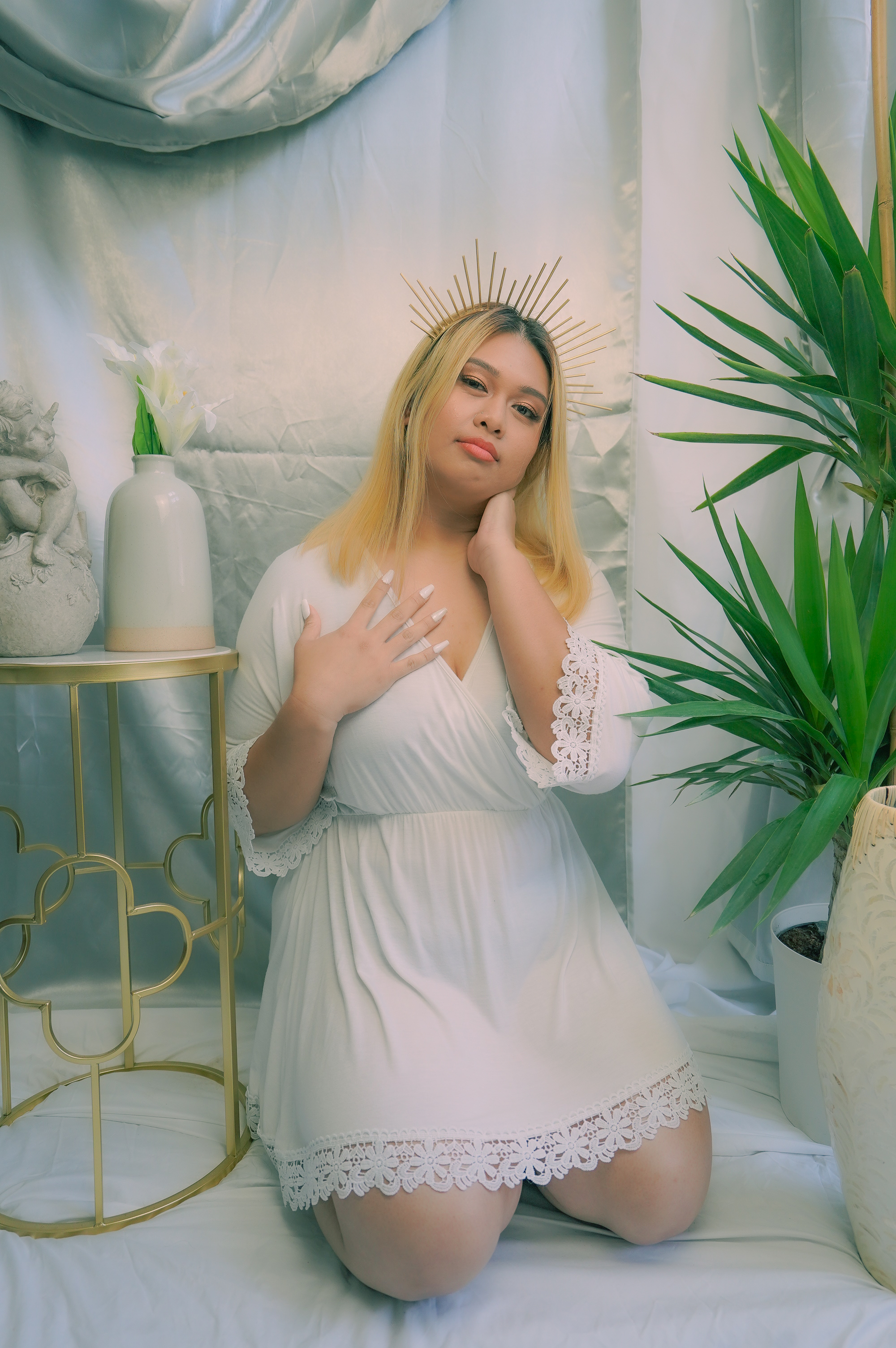
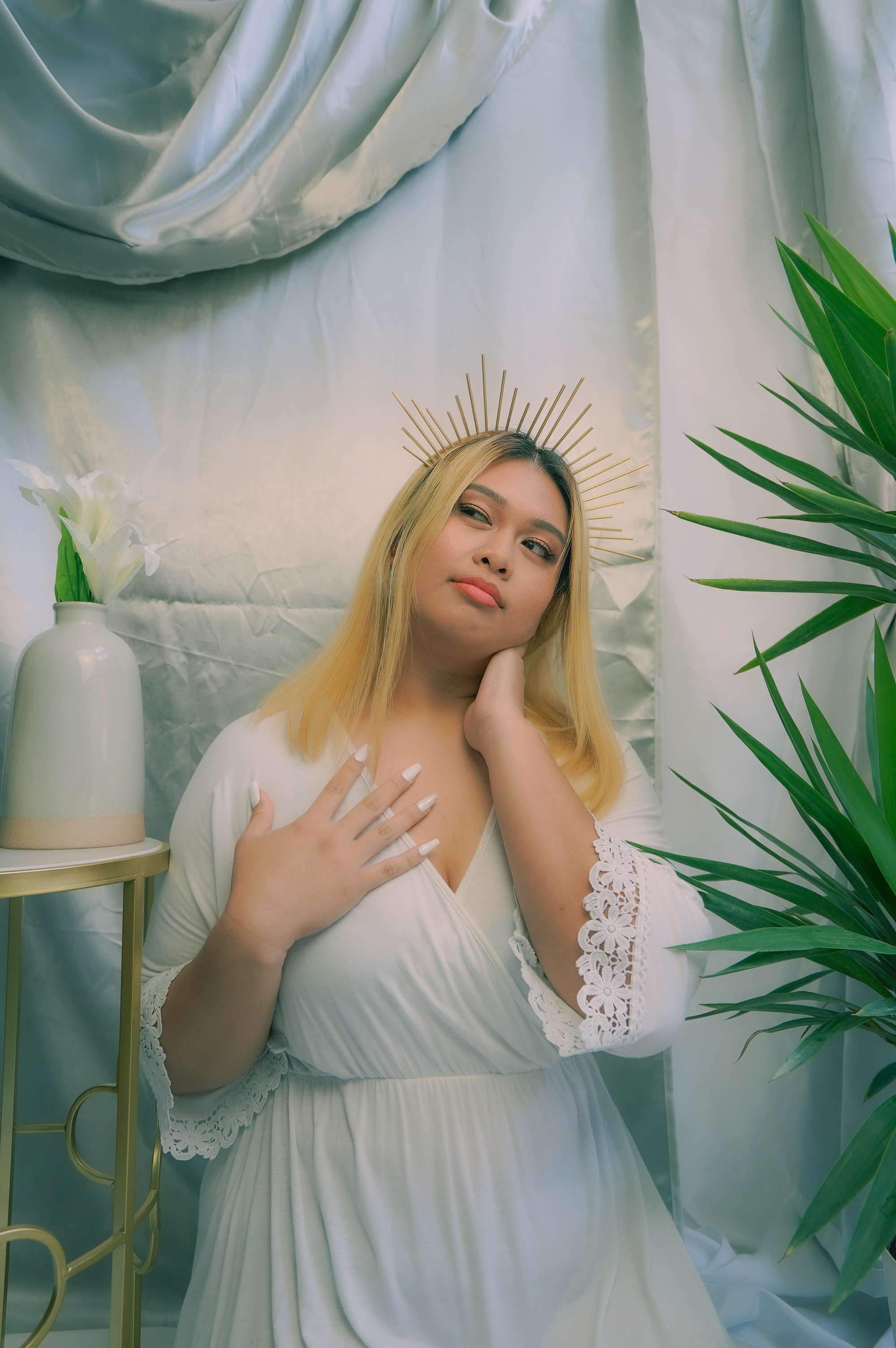
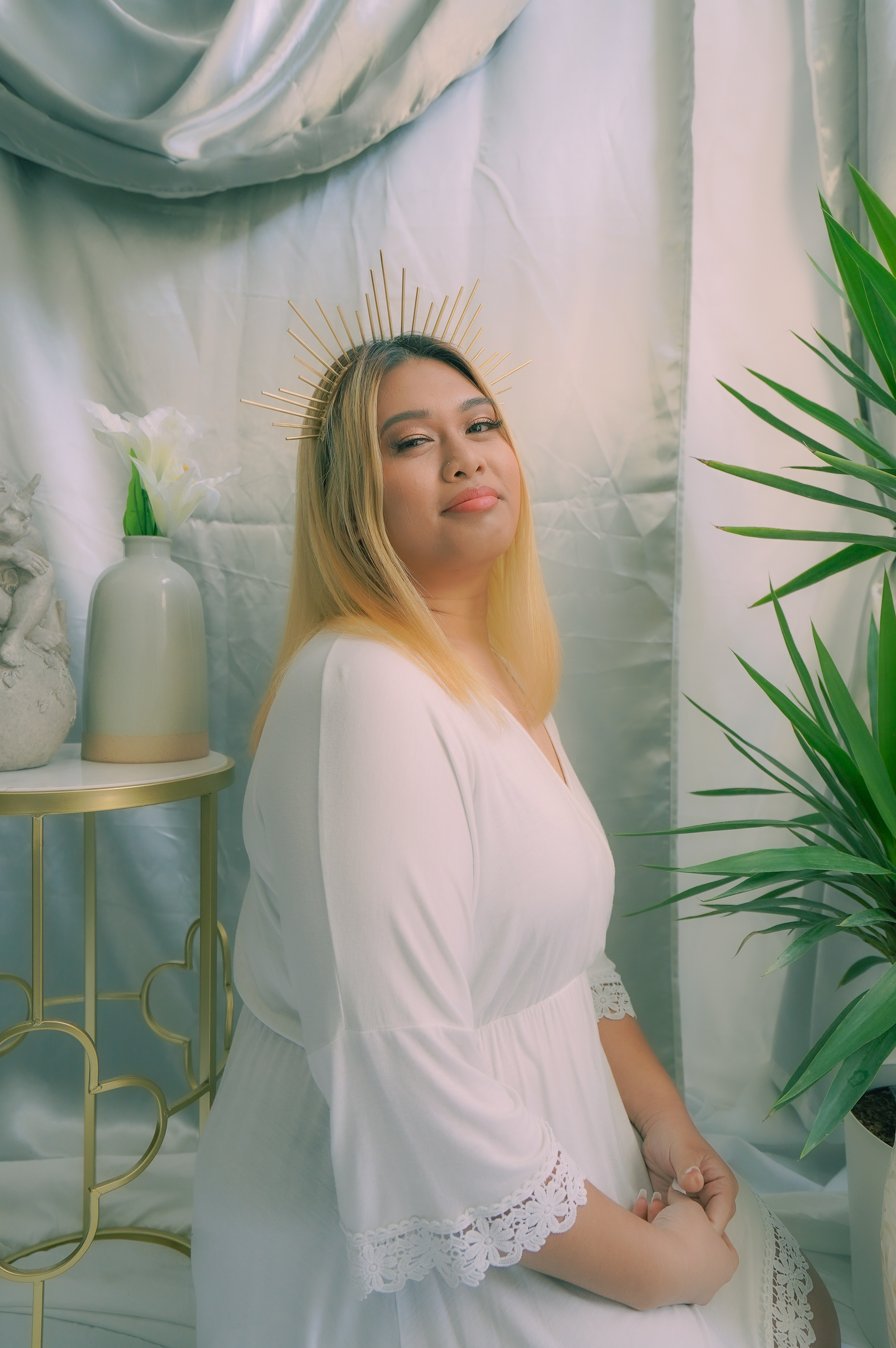

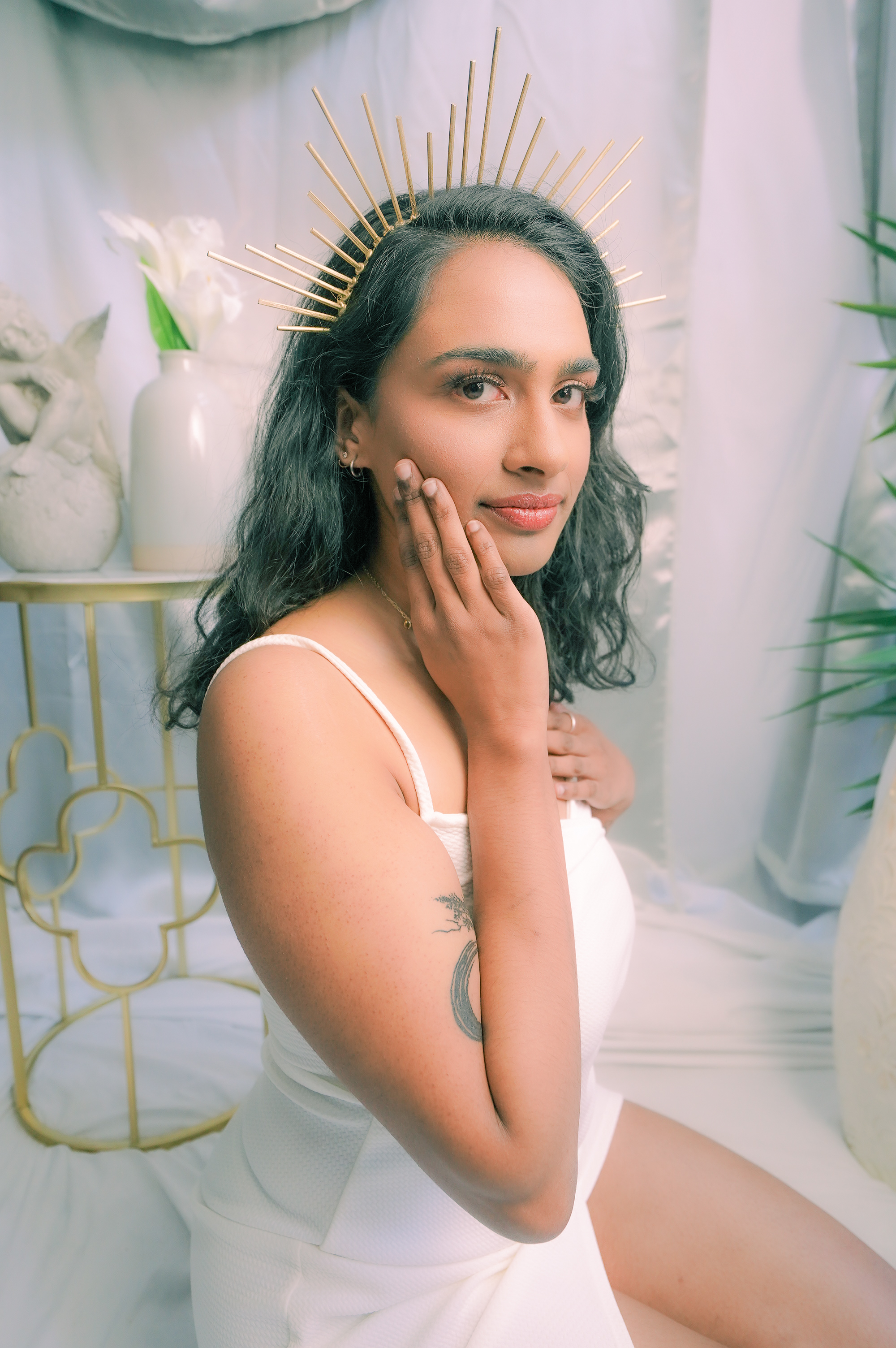

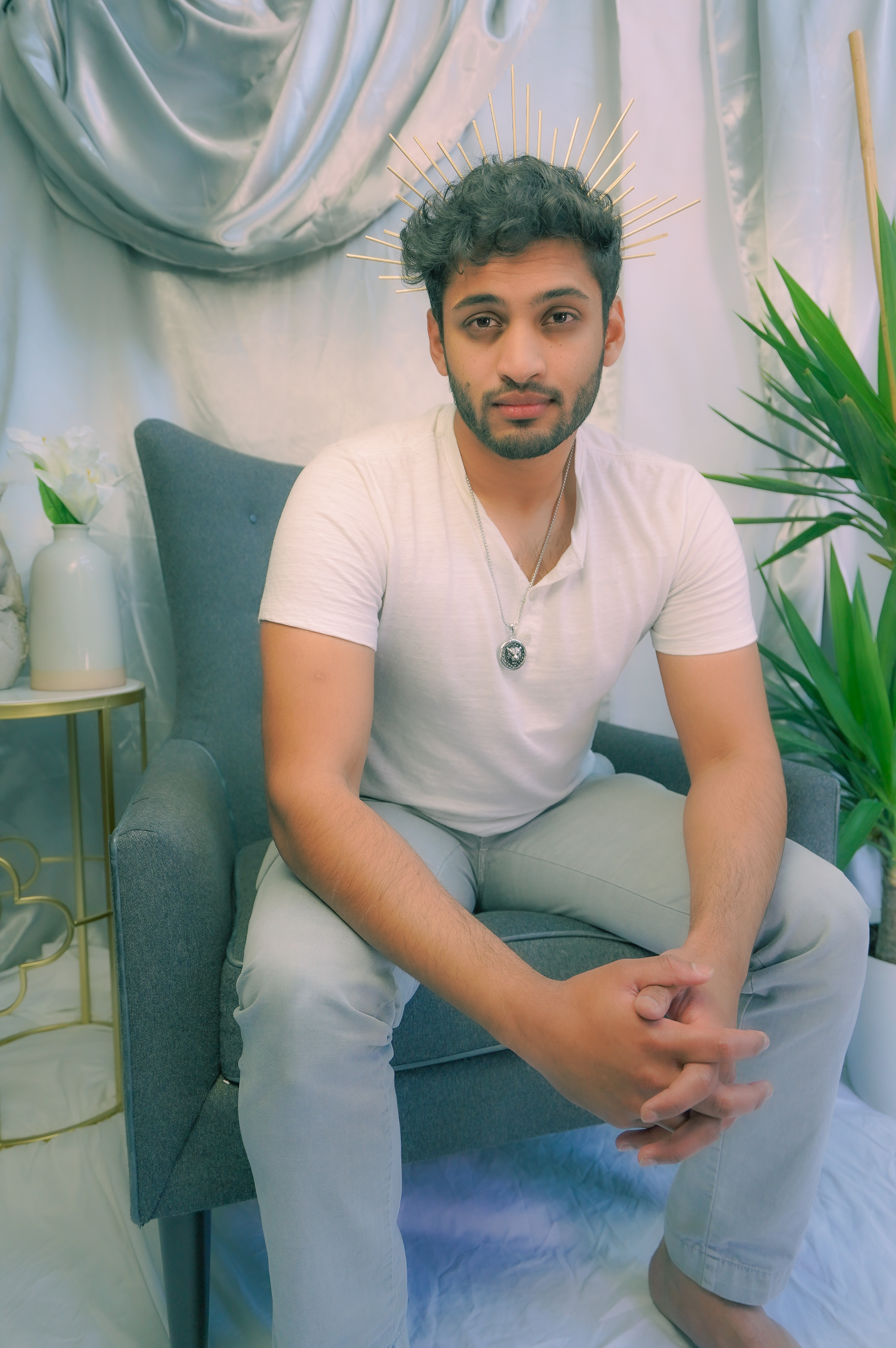

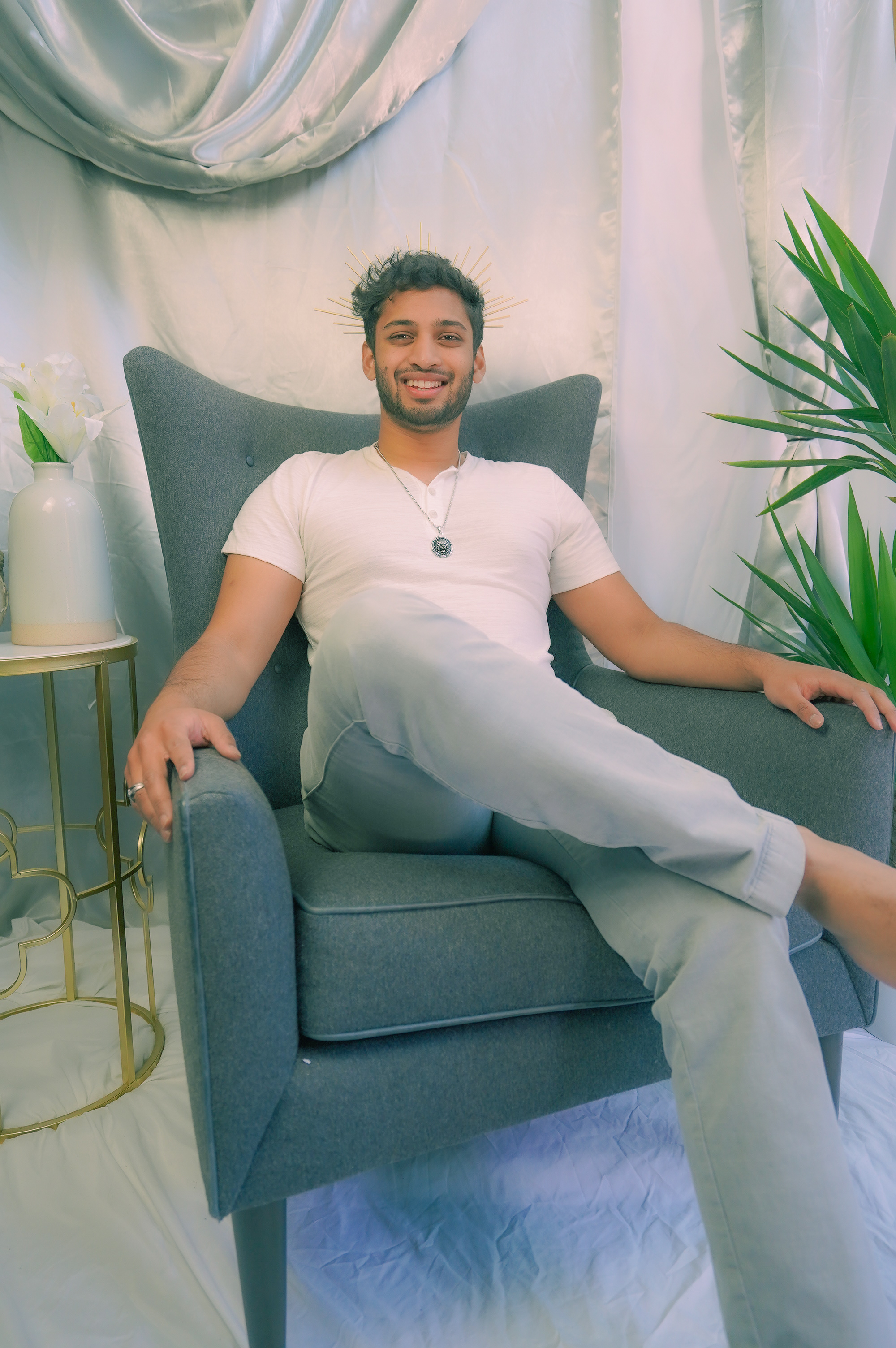


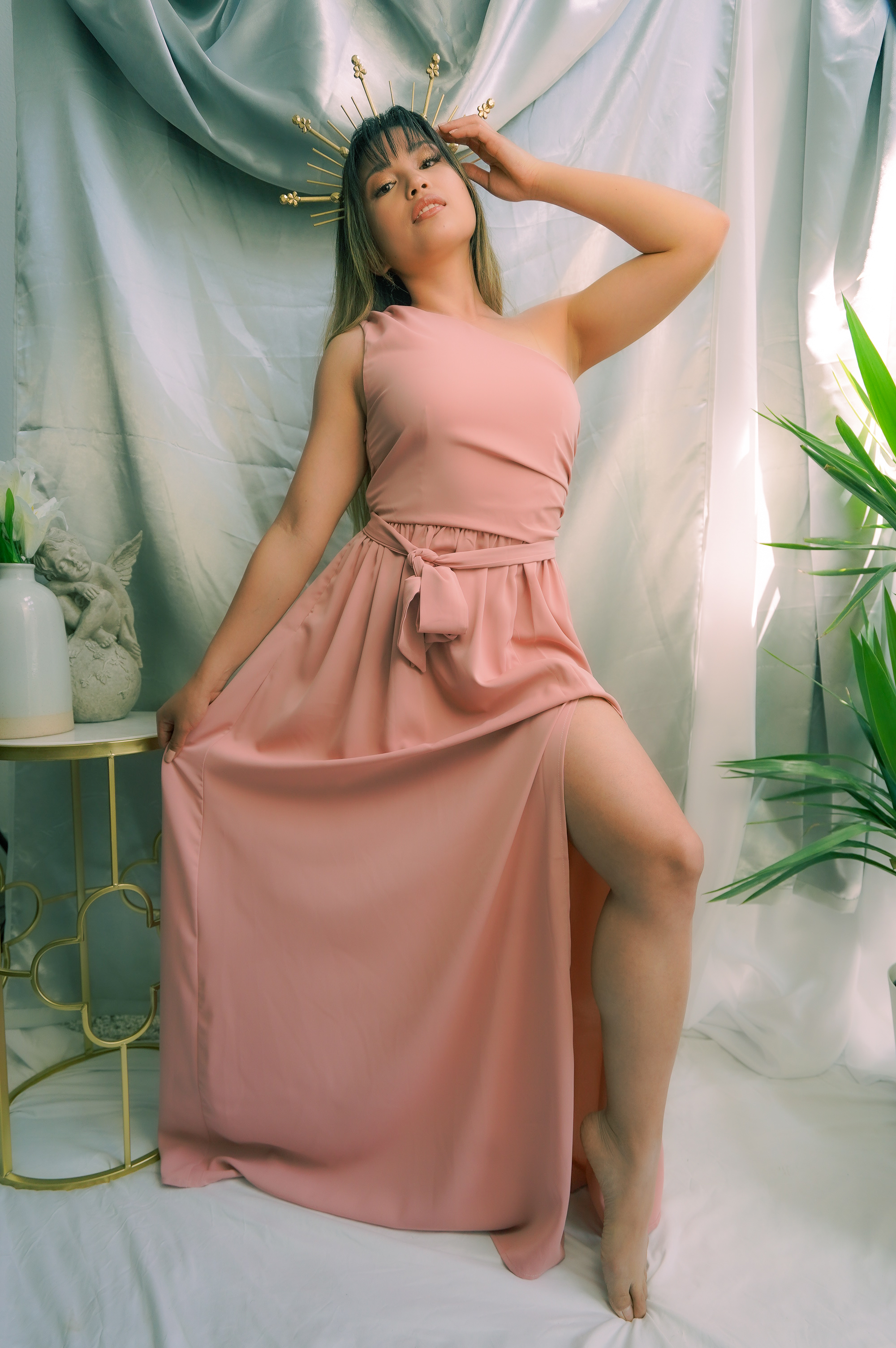

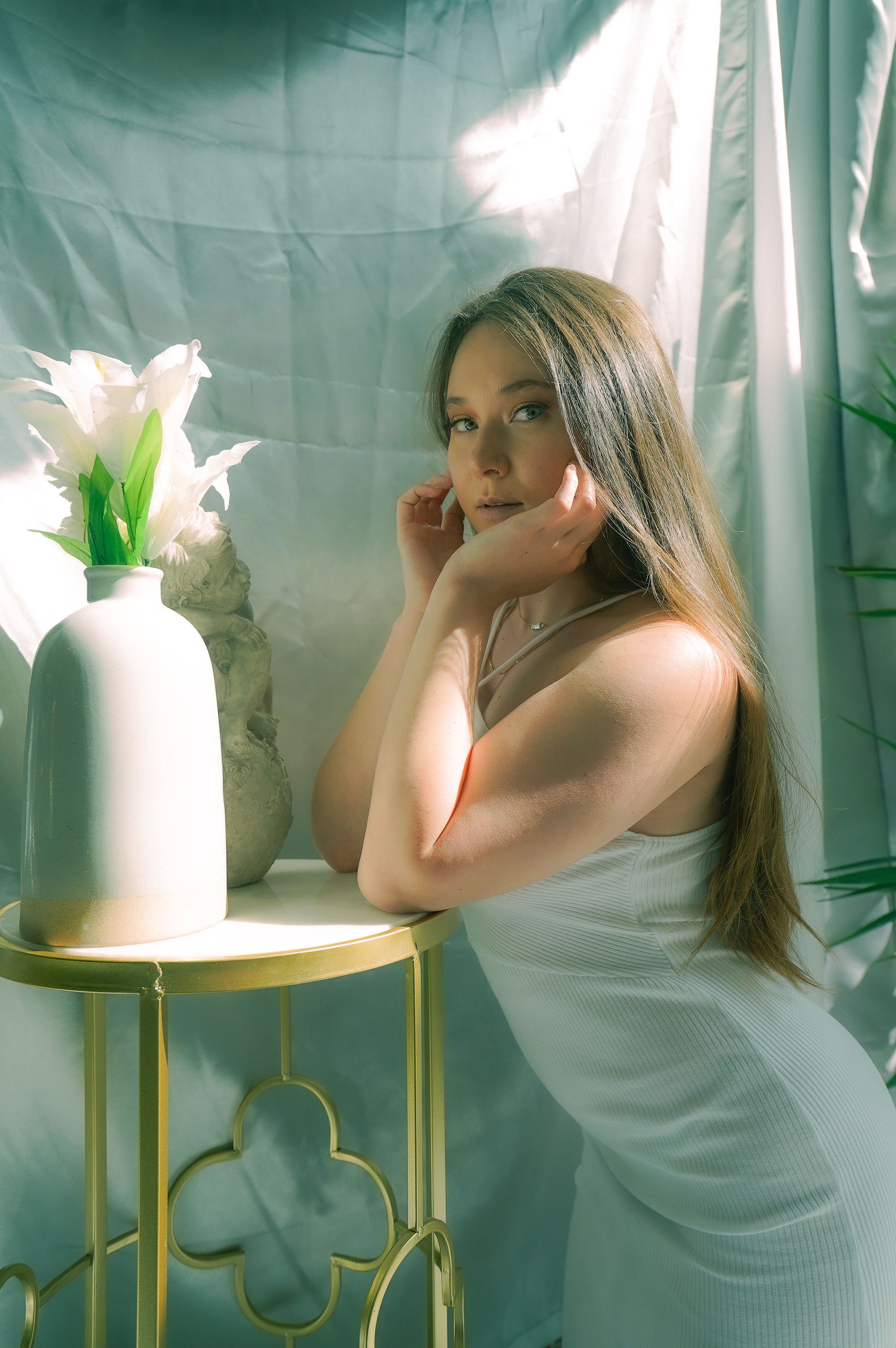
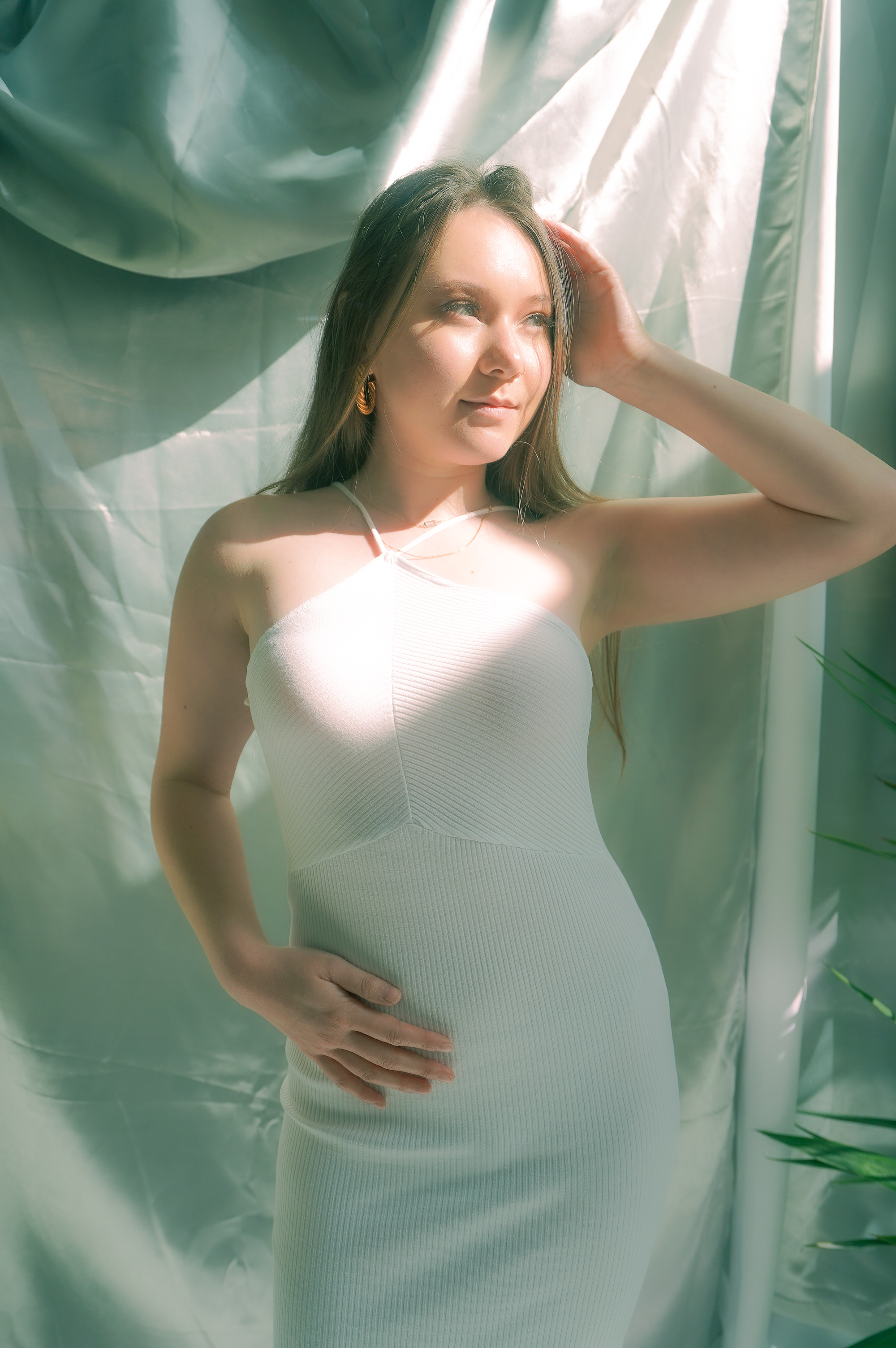



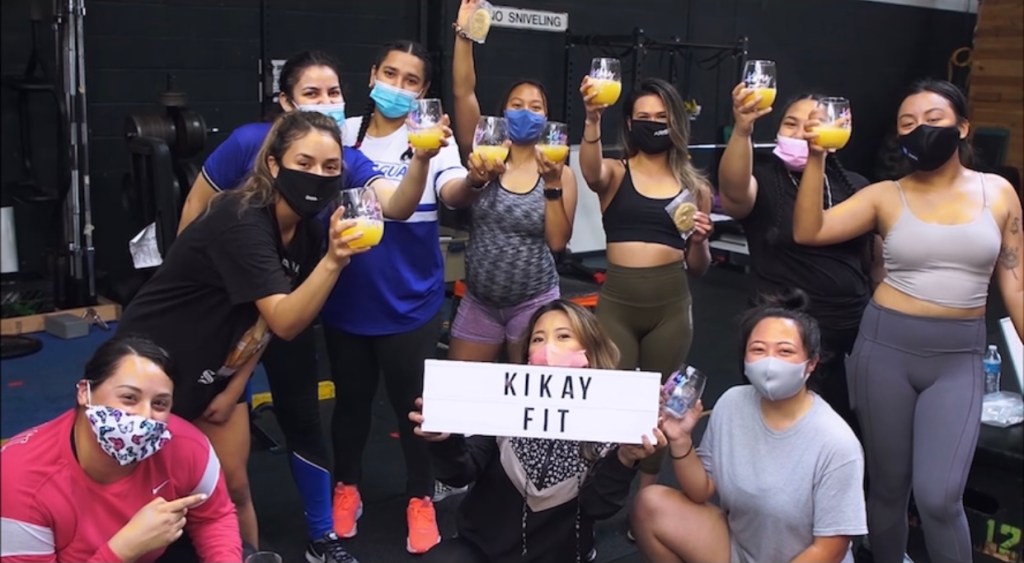


 Love Yourz Story